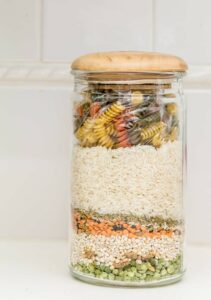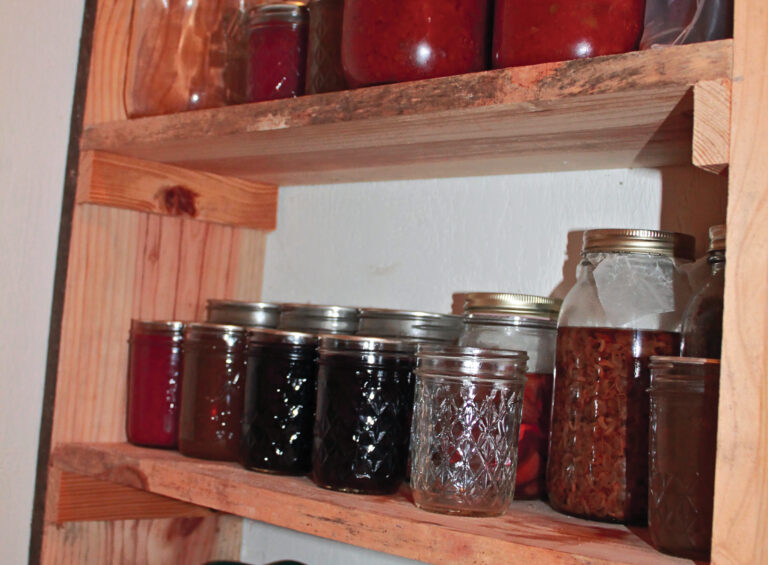
Check off the items of our well-stocked pantry list and learn how to stock a pantry for the first time while on a budget with this guide to meal planning and shelf-stable food storage.
While some facets of self-reliant living may be hard, depending where you live, a pantry can be successfully stocked anywhere and by anyone. It’s even possible to do it on a tight budget or with minimal space! And the beauty of having a pantry is the feeling of peace you’ll have knowing you can feed your family even if you can’t get to a grocery store.
Planning a Well-Stocked Pantry List
First thing you should do when starting a pantry is plan. Make a list of the food items you eat each week or month. Then, list them in categories.
- What’s perishable? These foods include produce, milk, eggs, fresh breads or pastries, meats, or cheeses.
- What’s shelf-stable? This includes wheat, pasta, rice, oats, flour, salt, oils, beans, canned goods, and crackers.
- Which items can be canned, frozen, or dehydrated? This section is huge and incredibly versatile. It can include items from the perishable section, such as meats, breads, and cheeses, and freezing can be a fantastic way to store most fruits and vegetables.
After making your well-stocked pantry list, multiply your amounts to figure out how much you’ll need for one month. This should be your first goal in setting up a pantry: to store enough food for one month. When you reach that goal, you can add another month until your stockpile is the desired size.
Make a list of 5 to 10 meals your family enjoys and keep your pantry stocked with all the items needed to make them 3 to 5 times a month. Also make a list of all the items you have in your pantry and keep a record of how many you have of each. Note each time you use one. Laminating your list is a simple way to do this, so you know at a glance which foods you have on hand and which ones you need to purchase.
How to Stock a Pantry for the First Time
Good advice is to take a fifth of your grocery budget each month and spend it on stock-up items — even better if you get them on sale! So, if you’re spending $100 each week on groceries, take $20 and use that to buy extra stock-up items. You can also just set an amount, like $5, and buy the most bang for your buck.
Non-Perishables
The easiest things to store are nonperishable items. They can also be the cheapest. Where I live (very rural), with the larger town an hour away, we can get a 16-ounce box of whole-wheat pasta for $1.50. Every time we go grocery shopping, we buy 5 to 10 packages of pasta. I don’t use all those in the two weeks between shopping trips, so some get put up each time.
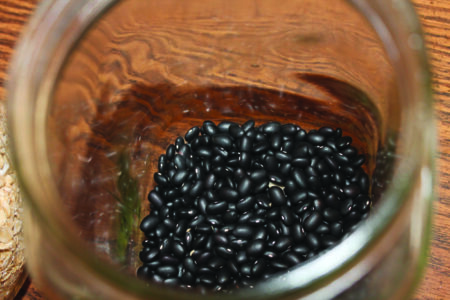
Living on rice and beans may sound boring, but, honestly, you do need a good amount of these if you normally eat them. I buy dry beans in the 10- or 20-pound bags frequently, and then I can them myself for a quick, delicious, and healthy meal. It’s also cheap to purchase one or two bags of beans and store them in a 5-gallon bucket. When stored properly dried beans are actually good indefinitely, but as they get older, they do get less tender, so rotate your stock.
Frozen Foods
The next-easiest foods to store are foods that are frozen or that can be frozen. You’ll obviously need a larger freezer and the ability to keep it going if the power goes out. Don’t keep a huge food supply in your freezer with no way to get emergency power. This is one reason some people opt for freeze drying or canning. To freeze your foods, you’ll also need storage options, such as plastic freezer bags, vacuum-seal bags, freezer-safe bowls, or freezer-safe jars. When freezing multiple small items, such as berries or onions, flash freeze them on a cookie sheet lined with parchment paper before putting them into freezer containers. This will prevent them from becoming a solid, unusable lump. Label your frozen foods with the contents and date. Frozen food may technically last for years but, after a while, it becomes distasteful and unappetizing. A good rule to follow is to use your frozen foods within one year.
Perishable Foods
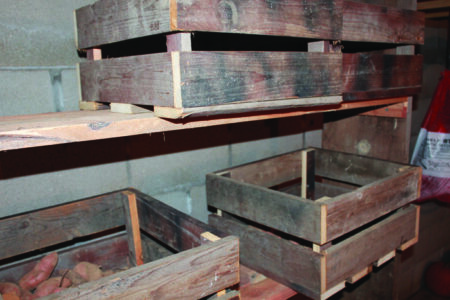
Perishable goods are the hardest foods to store. Fresh fruits and vegetables are a wonderful addition to your diet, so plan ahead so you always have some. One of the best methods is to buy or grow produce that stores well. For example, potatoes and cabbages last for weeks (or months, if you turn the latter into sauerkraut), while lettuce generally doesn’t last a week. Carrots store for months in cold storage, but bananas won’t last more than a few days.
While it’s fine to get more perishable foods, when you’re stocking up for the long term, think hardier fruits and vegetables. One fantastic way to do this is to buy large quantities of fruits or vegetables when they go on sale and preserve them yourself. Make dehydrated, canned, and frozen fruits and then store in a cool room or root cellar. We do this every year with strawberries, peaches, and apples. It can also be done with meats, dairy, vegetables, and eggs. Fermenting your vegetables is a fun way to have more shelf-stable “fresh” food.
Bulk Grains for Pantry Storage
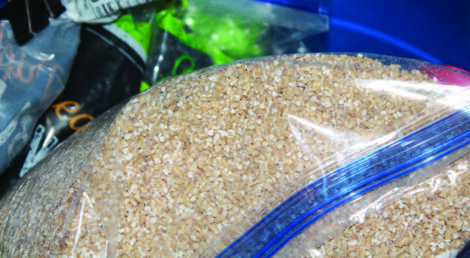
There are many different places where you can shop for good deals to stock your pantry. I use my local bulk-buying store, a membership warehouse, Azure Standard, local farmers, sales at my grocery store, and, of course, my own garden. If you can’t afford the amount needed to purchase from any of these places, see if you can group up with friends and go in on an order together. My friends and I do this frequently and it helps each of us. The larger orders often cut costs in multiple ways by providing a bulk discount or free shipping.
What Is a Pantry, Exactly?
Now that you’ve started stocking up, you may be wondering, “Exactly where do I store this?” Thankfully, there are many underutilized places in our homes that work just fine. Take a look through your home. Are there empty or partially empty closets? How about under your beds or under a stairwell? Maybe you have a crawl space under the house or a basement or unused cellar. Have an empty wall in the garage that will fit some shelves? Make use of all of those! For optimal storage of dry goods, you need dry, cooler temperatures.
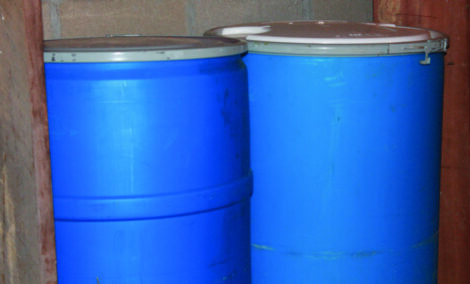
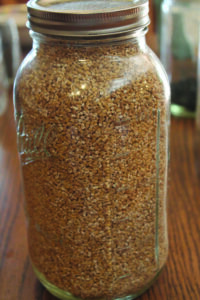
If you live in a humid climate, store your dry goods in food-grade buckets, barrels, or glass jars with oxygen absorber packets. The containers can be new or repurposed, but make sure whatever was in them before was food-safe also. Check out local food businesses, such as ice cream plants, delis, or bakeries, for containers. These often sell food-grade barrels and buckets at greatly reduced rates. Mason jars or any other quality glass jars also work wonderfully. I store oats, beans, nuts, and sugar in these. Remember: Moisture, heat, light, and pests are your enemy when it comes to safely storing food long-term. Package according to your climate and the type of food.
Creating A Well-Stocked Pantry List for Your Family
So, what’s the purpose of a pantry? In my home, it’s designed to help us eat healthfully and economically. It’s also a buffer in case we can’t get to the grocery store or there’s a natural disaster. And that means my main goal for my pantry is to use it to cook from! Yes, I cook from my pantry on a daily basis, and it makes my meals easier and quicker. How do you go about doing that?
Keep What You Eat
First, don’t stock items you don’t eat. Our family eats an enormous amount of beans and wheat berries. Obviously, I have large quantities of both of those. However, we don’t eat store-bought canned goods. We don’t like them, so, I don’t buy them. The same is true with sugar. I use raw cane sugar, so that’s what I stockpile, not the cheaper beet sugar. Store what you use so you’ll actually use it. That’s not to say you can’t have a few true “emergency” items but I personally don’t stock my pantry with them.
Ingredients You’ll Need
Secondly, think ahead about the meals you enjoy making. If pizza is a staple in your home (try our pizza toppings list for one of a kind pies), then store lots of wheat or flour, pizza sauce or dehydrated tomatoes, frozen shredded cheese, and any other toppings you prefer (canned mushrooms, pickled peppers and onions, for example). If you love chili or soup, make up large batches once a month, and can them or can individual ingredients, such as beans, potatoes, or meat. Having all of these ingredients on hand by using them to create your well-stocked pantry list means you can consistently cook your favorite meals at any time without running to the grocery store. This will save you time, money, and headaches.
Remember, the best method for how to stock a pantry on a budget is by starting small and adding in a few items each time you shop — you can build a substantial pantry faster than you think. Be patient, be consistent, and keep an eye on your storage. Protect it from moisture, heat, light, and pests. Rotate your storage and actually use it daily to prepare your meals. Soon, you’ll find you have less stress, less shopping trips, more money, and more time! Make a pantry that works for you and your family; you’ll be happy you did.
Jenny Underwood is a homeschooling mama to four lively blessings. She makes her home in the rural foothills of the Ozark Mountains with her husband of 20 years. You can find her reading a good book, drinking coffee, and gardening on their little 5th generation homestead. She blogs at Our Inconvenient Family.