Sage herb benefits for skin are abundant; take advantage of them by crafting sage body-care products, from a sage soak to homemade antiperspirant.
Common garden sage, a kitchen herb typically used to season meat and sauces, has many time-tested uses beyond the stovetop. Most people think of sage for adding flavor to stuffing or for pairing with oregano for spaghetti sauce. It’s a central ingredient in Italian cuisine and has a multitude of uses in the culinary world, from making sage-infused cheese, taming the fat in pork chops and sausage, and adding depth to cream-based soups and chowders.
From Culinary to Apothecary
But you can also take sage beyond its culinary uses. Sage is a much more versatile herb than we give it credit for, and its healing applications are notable enough to give this herb the genus name Salvia, which has its roots in the Latin word salvare, meaning health, well-being, and “to cure.”
Let’s explore sage herb benefits via three resourceful ways you can use this wonderfully supportive herb to assist in everyday wellness, including a sage soak for cuts and scrapes, a sage-infused herbal bath scrub to nurture circulation and skin healing, and a lavender-sage antiperspirant powder. These recipes will help you foster long-term wellness by supporting the body’s self-healing mechanisms and avoiding the potentially harmful ingredients that can be found in many body-care products. You probably already know that the FDA allows toxic chemicals in body-care products. The cosmetic and personal-care industry is a self-regulated one — so the fox is watching the chicken coop. When it comes to protecting consumers from harmful chemicals entering their blood through body-care products, nobody is guarding the gate. So making your own body-care products isn’t just a great way to save money, but you’ll also know exactly what you’re putting on your skin. Unfortunately, I’ve been duped more than once by products with “natural” labels.
I love the simplicity of using a familiar herb you probably already have in your spice rack and putting it to work in new and surprising ways. When we practice the herbal healing arts using common kitchen herbs like sage, we’re energizing a home culture that embraces taking care of our bodies with healing herbs. This, in turn, fosters a deeper connection with the Earth and a holistic lifestyle that passes this knowledge on to the next generation.
Sage Herb Benefits Against Sweat, Snot, and Infections
In my 35 years of teaching herbal medicine, I’ve gotten a few furrowed brows when I tell students that spice-rack sage can ease sweat, snot, and infections. Students are less bewildered by the herb’s diverse uses than by having lived their entire lives to that point without hearing about them.
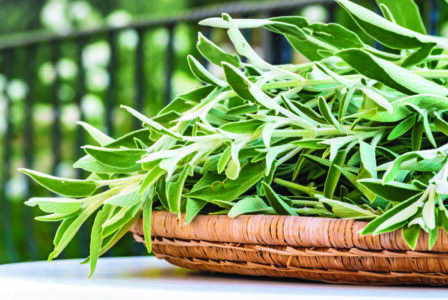
Of the hundreds of species in the Salvia genus, Salvia officinalis is what these sage recipes call for and is likely the sage you’re most familiar with. A member of the mint family, it’s native to the Mediterranean region and cultivated worldwide, thriving in sunny conditions. In the garden, it’s a dry, fragrant, and coarse-textured herb. In dishes, it brings a distinctive savory flavor, with bitter, pine, and astringent tones.
Applied to the skin, sage has vulnerary (wound-healing), antimicrobial, and astringent properties that support the body’s natural healing processes. Sage also has analgesic (pain-relieving) and anti-inflammatory properties that can help ease the body’s aches. Finally, sage helps break up mucus, making it easier for the body to clear respiratory passages of phlegm.
Note: Avoid sage while pregnant or breastfeeding, as sage may slow breast-milk production, though you could potentially use this knowledge to your advantage if you’re trying to wean.
Homemade Antiperspirant Powder with Lavender and Sage
Sage’s astringent, drying tannins reduce excess sweat, making it an appropriate addition to this homemade antiperspirant powder. Toxins can be found in most store-bought antiperspirants. I’m emphatic about getting the chemicals out of our body-care products; it’s one of the reasons I’ve been using this powder for decades and teaching others to make it for years. My students love the results and are often surprised by how effective this powder is.
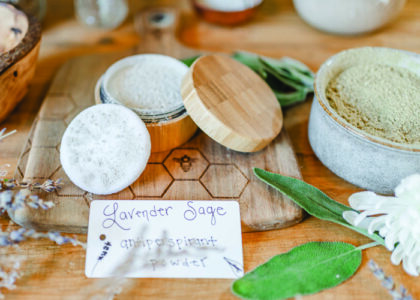
Ingredients
- 1/2 cup corn starch
- 1/2 cup bentonite clay
- 1/4 cup dried, powdered sage leaves
- 1/8 cup dried, powdered lavender flowers
Instructions
- Mix all ingredients together for a subtly scented antiperspirant powder.
- Store in a powder bottle, lidded jar, or small bowl with a lid.
- To use antiperspirant, apply as needed to underarms.
Sage Benefits for Skin: Sage Soak for Cuts and Scrapes
In this potent soak, sage’s vulnerary, antimicrobial, astringent, and analgesic properties offer assistance for minor cuts and irritated skin.
This is the perfect remedy for all the nicks and scratches that appear after working in the garden. I live in an area where blackberries are invasive, so I use this remedy for my perpetual blackberry-bush scratches! After you’ve cleaned the wound well, use this soak to help neutralize lingering pathogens and reduce inflammation.
As a vulnerary, sage promotes the body’s natural healing process. However, if you have a chronic skin problem, such as eczema, be sure to investigate and resolve the underlying issue.
Ingredients
- 4 cups water
- 8 tablespoons fresh sage leaves, chopped (4 tablespoons dried)
Instructions
- Pour water into a pot.
- Cut away stems of sage, and then chop finely.
- Put sage into water and bring to a boil with the lid on.
- Once boiling, turn off the heat, and then let water sit for a couple of hours to infuse.
- Strain sage and warm the soak again before using.
- Pour the soak into a foot basin or container large enough to accommodate whatever body part you’d like to soak.
- To use, soak the affected area for 10 to 20 minutes.
- If you’d like to submerge your entire body, triple the recipe and pour the sage soak into your bathwater.
Sage Salt Glow
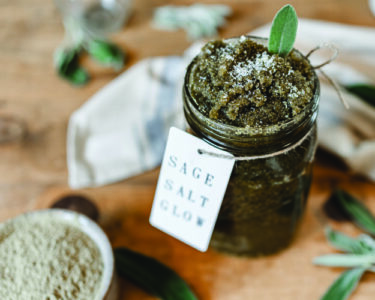
Sage’s analgesic and vulnerary properties shine here. Because the skin is replete with nerve endings, applying sage topically can tame pain-related tension. Additionally, massaging the skin increases lymph flow, contributing to the immune system’s ability to respond to threats. Used over time, this salt glow may help the body remain resilient in the face
of tension.
As mentioned previously, sage’s vulnerary properties can help resolve skin issues more quickly. The salt will sting any cuts or scratches you have, but ultimately, if that doesn’t bother you too much, this salt glow can help heal nicks and scrapes.
Ingredients
- 4 cups sea salt
- 1 cup dried, powdered sage leaves
- 2 cups olive oil
Instructions
- Mix sea salt, sage, and olive oil.
- Store in an airtight container.
- To use, get in the shower and get wet, and then turn off the water, scrub your body, and lay on a towel for 5 to 10 minutes. If at any time you begin to feel lightheaded or your skin feels uncomfortable because of the salt, return to the shower and rinse well. Salt is dehydrating, so make sure to stay well-hydrated during this process. You can also use this as a foot or hand scrub by following the same steps.
- You can apply the salt glow 1 to 3 times per week.
Note: If you don’t have powdered sage on hand, put dried sage leaves into a coffee blender reserved for herbs and powder them yourself.
Sage and the Herbal Healing Arts: The Future of Wellness
Can you see why sage’s diverse properties make it an herb I always have growing in the garden? And this is just a glimpse into sage herb benefits, as students in my herb courses know. In addition to sage benefits for skin, sage can also be used in a decongesting steam, a calming tea for hot flashes, a healing rinse for gums, and a digestion-promoting herbal butter.
When we learn that we can depend on herbs to support our health and tend to minor ailments at home, we also awaken our innate connection to plants. The first step on this path starts wherever you are, by trying a single herbal kitchen remedy. Every day, it seems more of us are taking this path, shifting the cultural compass so coming generations will be raised knowing how to work with the gifts of the Earth for the wellness of both people and the planet. When we work with healing plants, it becomes an embodied model of living sustainably that can help guide us into the future.
Kami McBride has taught herbal medicine for 35 years, and she is the author of The Herbal Kitchen. Her online herb classes demystify natural remedies and help empower people with simple, proactive health-care routines to care for common ailments and to prevent illness. Find Kami on social media @KamiMcBride or on her website.
Originally published as “Self-Care with Sage” in the May/June 2023 issue of GRIT magazine and regularly vetted for accuracy.