Learn how to render deer tallow, deer tallow benefits, and how to make recipes with deer tallow for skin from natural, sustainable ingredients.
Tallow has been used for both food and skin care for millennia. It’s truly a sustainable way to get the healthy fats you need while making use of a product that’s often wasted. When you harvest your tallow from the wild, it becomes an even more frugal resource. That’s why we choose to use the tallow we get from our deer each fall and winter. Most deer where I live don’t have copious amounts of tallow, but by saving the fat from two or three, we get enough to make several great products each year.
Deer Tallow Benefits
Tallow is an excellent substance to use for our skin, because its structure is similar to our skin’s own oils. The fatty acid composition of tallow helps improve skin’s moisture balance and prevent oxidation, and it’s often recommended for those dealing with eczema and other inflammatory skin conditions. We use it in soap, deodorant, salves, and even sunscreen.
Many ingredients in conventional salves, deodorants, and lip balms aren’t great for you or the environment. Some contain harsh chemicals, many are petroleum derivatives, and most have synthetic fragrances or other additives that interfere with the body’s natural systems of detoxification.
When you make your own skin-care products, you have the ability to design something that’s just right for your body. By doing this, you can easily tweak the consistency, the type of ingredients you include, and what, if any, fragrances you use. The following recipes use a minimum of ingredients, making them cost-effective and easy for beginners. The container you choose could also be a simple as a Mason jar, or you could use a specialty deodorant or lip balm dispenser.
In my experience, deer tallow is a perfect addition to any natural skin-care product. I love how it feels on my skin, and I have the assurance that what I’m putting on my skin I could also safely consume. Remember, your skin is your biggest organ! Whatever you put on the outside makes its way inside in some form.
How to Render Deer Tallow
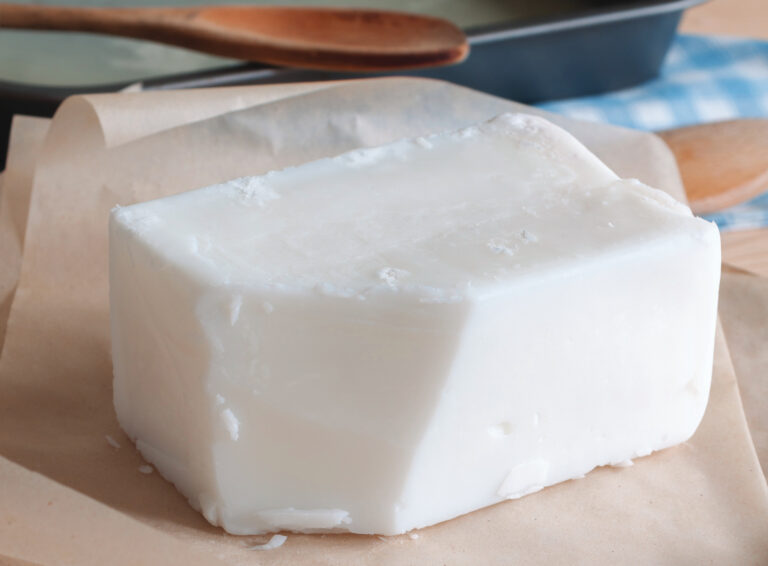
The first step is to render the deer fat you have into tallow. We cut the excess wads of fat that are attached to the inside of the deer carcass, and then we toss these in a freezer bag or bowl until we have enough to make rendering efficient. The easiest method of rendering tallow, in my experience, is to cut the fat into small pieces and place them in an electric pressure cooker. Some people run the fat through a meat grinder first. Add 1/4 cup water and 1 tablespoon high-quality salt. Place the lid on and close the steam vent. Pressure cook for 10 minutes and then allow the steam to release naturally for 10 minutes. Release the rest of the steam manually.
Use an immersion blender to make the remaining fat smooth. Pour the hot fat through an old T-shirt or cheesecloth lined over a colander with a large bowl set underneath. Allow the fat to drip through, and then wring the cloth over the bowl to get all the fat out. Allow the fat to harden, and then carefully scoop it out of the bowl. A small amount of impurities will be at the bottom, so be careful not to include them when you’re removing the usable fat.
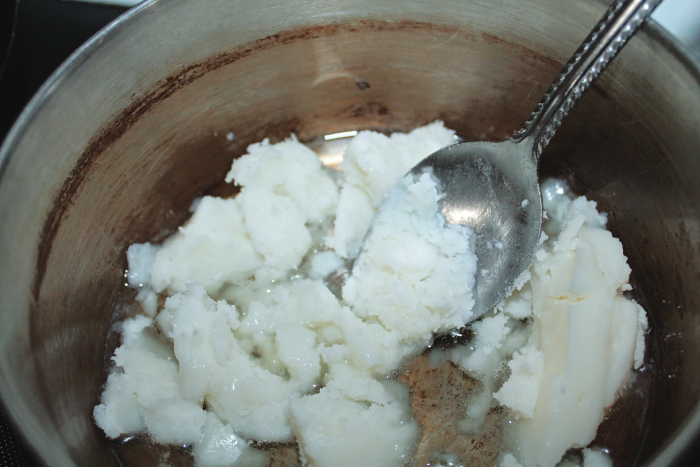
Alternatively, you can render tallow by placing the fat in a heavy pot and cooking it slowly over low heat. Stir until the fat has mostly dissolved. Use the immersion blender and strain as previously described. If desired, remelt the clean, hardened tallow and strain again to get a purer product.
The optimal method for storage of rendered tallow is in the freezer. When you’re ready to use it, remove it from the freezer several hours beforehand, or place the container in a bowl of warm water.
Healing Goldenseal Whipped Tallow Salve
Goldenseal is an excellent skin healer. It’s rich in antibacterial and anti-inflammatory properties and has skin-healing benefits from compounds, such as berberine, hydrastine, and canadine. I harvest goldenseal from the wild, but you can also purchase it in dried form or grow it for your own use. Yield: approximately 1 pint.
- 2/3 cup coconut oil
- 1 ounce dried goldenseal or 2 to 3 ounces fresh
- 8 ounces rendered deer tallow
- 1 ounce beeswax
- 20 drops frankincense essential oil
- Place coconut oil in a saucepan and melt it on the lowest setting. If you don’t have a melt setting, you may do this in a double boiler. After it melts, add the goldenseal. Allow to steep for an hour, stirring often. Turn off burner, cover, and allow to sit for another hour. Strain oil by pouring through a cheesecloth.
- Pour oil back into saucepan, add tallow and beeswax, and melt together. Once the mixture is smoothly combined, turn off burner and add essential oil.
- Allow mixture to cool until somewhat hardened. Then, whip with electric mixer until fluffy. Place into desired containers with lids. Store in a cool place. This works well for healing sunburns and chapped hands or feet.
Note: You can alter this salve by replacing the goldenseal with plantain, jewelweed, calendula, or lavender. These all provide different benefits but are healing to skin. Jewelweed is especially helpful for those dealing with poison ivy!
Deer Tallow Deodorant
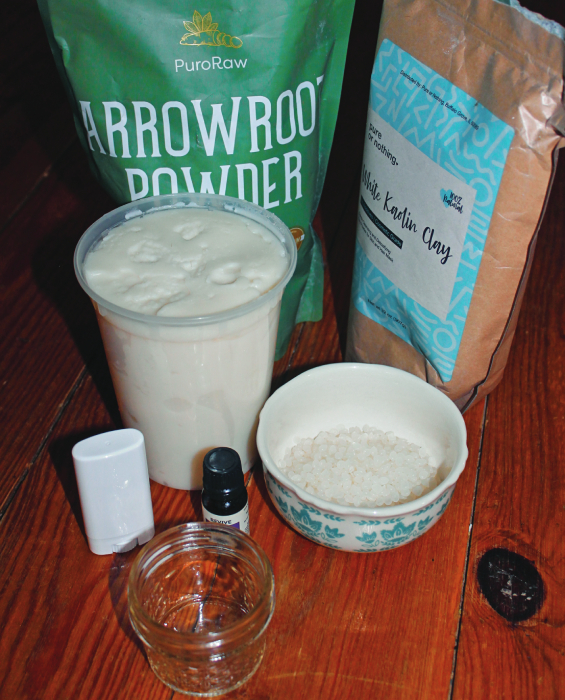 Most of us use deodorant regularly, but some of us suffer from allergic reactions to the ingredients in it. I found this to be true even when using baking soda and coconut oil. That’s one reason I switched to tallow deodorant. It doesn’t cause rashes and does an excellent job. The arrowroot powder is a natural absorbent and is less irritating than baking soda. The beeswax helps harden the deodorant to a consistency that’s easy to apply. The oils help provide a pleasant, gentle fragrance. Yield: approximately 1/2 cup.
- 4 ounces rendered deer tallow
- 1 tablespoon beeswax
- 1/2 cup arrowroot powder
- 6 tablespoons white kaolin clay powder
- 20 drops essential oil (optional)
- Place tallow in a saucepan and melt on the lowest setting. Add in beeswax and melt.
- Combine the arrowroot and clay powders, and then mix into beewax mixture until smooth. After everything is well-combined, add essential oil.
- Pour into deodorant containers or wide-mouthed canning jars. Place lids on. Store in a cool place.
A note on deodorant: If you’re used to using conventional deodorant, you may find your skin needs a transition period of a few weeks after you first start using the tallow; at first, you may need to reapply more often. The essential oil is optional, but it can add a subtle fragrance and skin benefits of its own. Only choose oils that are gentle on your skin, such as lavender or sandalwood. Always do a patch test to check for skin sensitivities with oils before you apply them more liberally.
Deer Tallow Lip Balm
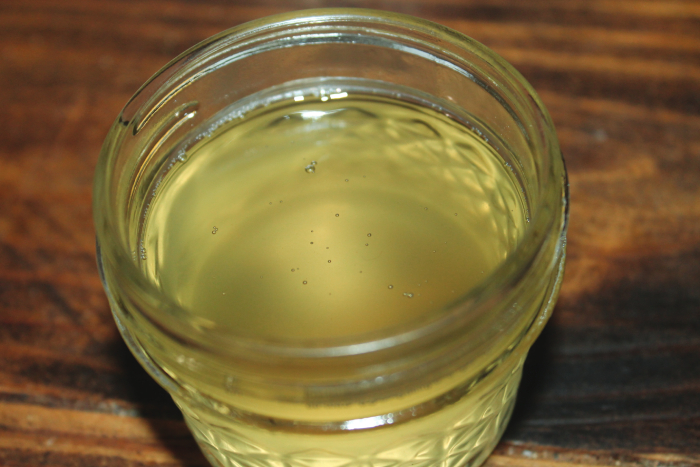 This lip balm is so easy to make! You can also add natural colors if desired. Many minerals can be purchased for coloring, or you can use beetroot powder. Yield: approximately 1/2 cup.
- 4 ounces rendered deer tallow
- 1 tablespoon grated beeswax or pellets
- 20 drops essential oils (lavender, peppermint, grapefruit, or rose geranium)
- On the lowest melt setting (or in a double boiler), melt tallow. Add in the beeswax and stir until melted.
- Turn off the heat and add in oils (if desired). Pour into jars or lip balm containers and allow to harden. Use frequently to prevent or treat chapped lips.
These recipes are an excellent way to start dabbling in making your own skin-care products from natural, sustainable ingredients. Most, if not all, can be sourced sustainably or locally. If possible, get organic ingredients for the highest-quality products. It’s definitely worth getting organic or local beeswax if you know how the beekeeper cares for their bees. Unfortunately, conventionally kept bees are often subjected to a plethora of chemicals to keep them well in less-than-ideal settings, which can then contaminate the wax. Deer tallow is a clean option in most areas, as wild animals often have healthier fats than their domesticated counterparts. Essential oils are available in many grades, so buy the best you can afford, and read how the company processes them.
Remember, anything we put on our skin should be as clean as we can find. Next time you harvest a deer, don’t forget to make use of that beautiful tallow. Your skin will thank you!
Jenny Underwood is a homeschooling mom to four blessings. She lives on a fifth-generation homestead with her husband of 24 years. You’ll often find her in the garden or curled up with a good book and a great cup of coffee.
Originally published in the November/December 2025 issue of Grit magazine and regularly vetted for accuracy.