
How to tell if a dog has rabies? Discover distemper vs rabies symptoms, as well as sick raccoon symptoms, to help protect your pets and family.
This morning started like every other school day – I stepped outside with my kids and one of our dogs, coffee not yet fully doing its job. The kids headed down the driveway, and I took the dog to his usual morning spot … except today, his “spot” was already occupied.
Sitting at the base of his favorite tree was a raccoon.
Now, it was just after sunrise, so technically not the weirdest thing, but unusual enough to make me pause. What really got my attention, though, was that the raccoon didn’t run. Not even a little. Instead, it started walking toward us.
Naturally, my little coydog was completely losing his mind – barking, lunging, putting on a full performance. The kids were instantly alarmed, the dog was trying to drag me into battle, and I was doing that chaotic shuffle of pulling him back while herding children to safety. This is not how I planned to start my day.
Thank goodness for the leash, because otherwise Rocky might’ve successfully picked a fight with a raccoon – a life choice I don’t support.
After what felt like 15 solid minutes of chaos (but was probably closer to 60 seconds), I got the dog inside and the kids safely down to the end of the driveway. Meanwhile, the raccoon climbed partway up the tree, like it’d just completed its morning objective: cause absolute mayhem.
When I came back out, my 10-year-old twins immediately hit me with the big questions: “Does it have rabies?” and “Is Rocky going to be okay?” My 17-year-old was particularly helpful in reminding them that distemper exists. I reassured them that Rocky was fine – no contact, just a lot of loud opinions. Still, I promised I’d call the game warden as soon as the office opened. They got on the bus, satisfied that Mom had things under control.
And then there I was, sitting on the porch and waiting for business hours, watching this raccoon like we were in some kind of low-budget standoff.

Causes and Transmission
Rabies and distemper are two of the most serious viral diseases affecting animals today. They pose risks to wildlife and pets – and in the case of rabies, humans as well. While they look similar in the early stages, they differ in how they spread, how long they survive in the environment, and the level of risk they pose.
Rabies is caused by a virus that attacks the central nervous system and is almost always fatal once symptoms appear. It spreads through saliva, most often through a bite, but even a scratch can be enough to transmit infection.
Distemper is a broader term that refers to different viruses depending on the species. Canine distemper is caused by a paramyxovirus and spreads through respiratory droplets and bodily fluids. Feline distemper is caused by a parvovirus called feline panleukopenia virus and spreads through direct contact or a contaminated environment, where it can linger longer than many people expect.
Presence in Wildlife
All of these diseases exist in wildlife populations. Rabies is commonly found in bats, raccoons, foxes, and skunks. Canine distemper also affects many wild species, including raccoons, coyotes, squirrels, and foxes. Feline distemper is found in raccoons, ferrets, and large or feral cats. Those cute little trash pandas certainly get the short end of the stick.
Sick Raccoon Symptoms
Healthy wildlife avoid people. A raccoon casually walking toward a barking dog and a group of humans? That’s not normal. That’s a potential disease situation – or, at the very least, a bad day waiting to happen.
Distemper vs Rabies Symptoms
Recognizing the signs of rabies and distemper early can make a big difference in protecting your pets – and sometimes even yourself. While these diseases affect animals in different ways, their warning signs can look surprisingly similar, so it helps to know what to watch for. Rabies can spread to humans, but no form of distemper poses a risk to people.
Canine Distemper Symptoms
Canine distemper often begins more subtly before becoming severe. Infected animals may show:
- Coughing, nasal discharge, or trouble breathing.
- Vomiting or diarrhea.
- Weakness or loss of energy.
As the illness progresses, it can affect the nervous system, leading to tremors, confusion, or seizures. If your dog seems sick and begins acting disoriented or uncoordinated, this is a warning sign you shouldn’t ignore.
Both rabies and canine distemper can cause similar warning signs – aggression, confusion, stumbling, drooling, and reduced fear of humans. Both are potentially fatal, especially in unvaccinated animals.
Feline Distemper Symptoms
Feline distemper mainly affects the digestive and immune systems. If an animal is infected, you may notice:
- Severe vomiting or diarrhea.
- Dehydration.
- Loss of appetite and energy.
In advanced cases, neurological symptoms can also appear. If your cat suddenly becomes lethargic or stops eating, act quickly and contact a veterinarian.
Rabies Symptoms
Rabies primarily affects the nervous system. If an animal is infected, you may notice:
- Sudden aggression or unusual irritability.
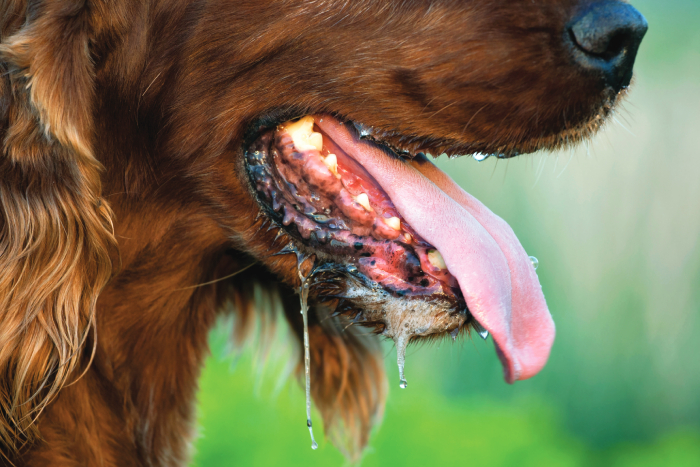
- Excessive drooling or foaming at the mouth.
- Difficulty moving or paralysis.
This disease is especially dangerous because it can infect humans. If you ever suspect exposure – even from something as small as a scratch – you should take it seriously and seek medical attention right away.
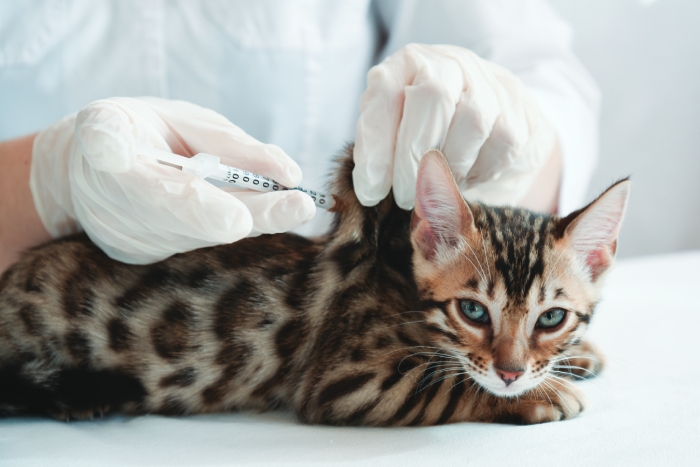
The good news is these diseases are highly preventable with proper vaccination. Dogs receive 7-in-1 vaccines for distemper and more, with the rabies vaccination given separately for public health. Cats get core vaccines for rabies, distemper, and other viral diseases.
How to Tell if a Dog has Rabies?
Watch for sudden changes in behavior, excessive drooling, difficulty swallowing, staggering, paralysis, or unexplained aggression–especially after contact with wildlife. Because rabies is almost always fatal once symptoms develop, any dog showing these warning signs should be seen by a veterinarian immediately.
Environmental Survival and Disinfection
One key difference between rabies and distemper is how long they’re able to survive outside a host. The rabies virus is fragile; it typically survives for only a few hours and becomes inactive once it’s exposed to sunlight, heat, or drying. The canine distemper virus is also relatively fragile but can persist longer under cool, damp, or dark conditions. Feline distemper, however, can live in the environment for up to a year, because it’s a parvovirus.
To reduce risk in contaminated areas:
- Remove organic material, such as dirt, feces, and fluids.
- Clean indoor surfaces with soap and hot water.
- Apply a disinfectant, such as a bleach solution, and let it sit for several minutes before wiping.
Heat and ultraviolet light are effective natural disinfectants, and both rabies and distemper viruses are highly sensitive to ultraviolet light and high temperatures.
Handling an Encounter
This morning’s raccoon encounter wasn’t just unsettling; it was a reminder of how quickly a normal moment can turn into something potentially dangerous. If you ever find yourself in a similar situation – whether it’s a raccoon hanging out by your dog’s favorite tree or a stray animal behaving strangely – it’s important to know how to respond.
If you encounter a wild or stray animal with unusual behavior, keep your distance. Don’t approach, touch, or try to help the animal – even if it doesn’t seem aggressive. Sick animals can act unpredictably and may attack without warning. If you’re with children or pets, calmly move them away from the area. Try to avoid sudden movements or loud noises that could startle the animal (do your best; a loud dog sensing a potential threat won’t calm quickly).
Call professionals. Contact animal control, a wildlife rehabilitation center, or the police if the animal seems like an immediate threat. It will vary in your area, so it pays to know which agency to contact beforehand. These professionals are trained to handle such situations safely, so you shouldn’t try to capture or move the animal yourself.
If, despite your best efforts, you’re exposed – a bite, scratch, or even contact with saliva – don’t wait. Wash the area thoroughly with soap and water for 10 to 15 minutes and then seek medical attention immediately after washing. Rabies is almost always fatal once symptoms begin, but it’s preventable with prompt treatment.
The Bottom Line
Staying informed, keeping pets vaccinated, and knowing how to respond to unusual animal behavior can make all the difference – for your family, pets, and community. My random Tuesday morning moment could’ve gone very differently.
The good news: Rabies and distemper are both highly preventable with vaccines. So, vaccinate your pets and pay attention to unusual behavior. And if a raccoon decides to square up in your yard at sunrise?
Maybe … don’t engage.
Karmin Garrison is a word nerd, accidental gardener, and DIYer living on a 1-acre almost-homestead in East Texas. She collects wild stories, half-finished crafts, and an impressive number of “I meant to do that” moments. You’ll often find her with her nose in a fantasy novel – or covered in dirt, depending on the day. Sometimes she sleeps, but that’s usually an accident, too.
Originally published in the July/August 2026 issue of Grit magazine and regularly vetted for accuracy.