Raising and managing livestock and poultry can be seriously challenging for the uninitiated, which is why we offer this rundown of selective breeding examples, and explain why culling is necessary (even though you probably don’t want to do it).
Generations before us worked hard over the centuries to build the breeds and traits of our modern-day livestock. As homesteaders and breeders, we have an ethical responsibility to breed animals for more than just profit, and to choose livestock that meet the best possible genetics. I currently raise my family’s flock of chickens, and I’ve previously raised rabbits and goats, so I have personal experience in choosing animals for a breeding program. Here are some selective breeding examples I consider.
Genes and Selective Breeding
First, I look at the overall health and temperament of the animal and decide on my personal goals. For example, for the safety of my small children and our flock, we need calm roosters that don’t attack their caretakers. I also consider the overall body structure, or “conformation.” I want a wide hen with large breasts and thick weight to help ensure a good meat bird when hatching out chicks. Unfortunately, I encounter many people who breed for color in their poultry. Color is the last thing you should consider when breeding any animal. The same is true with rabbits when people breed these animals strictly for beauty, because they’re intended for pets. These rabbits go on to have health and behavioral issues, because breeders weren’t focused on more critical matters.
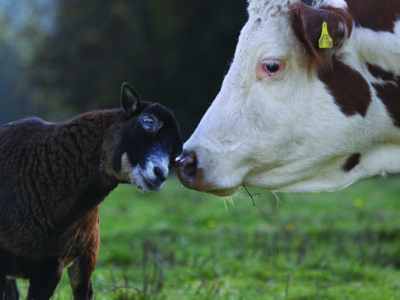
When the owners of Nowak Farms decided to add the Beefmaster cattle breed to the property, their Florida community met the move with confusion, because the breed was new and unfamiliar. But for the farm owners, this was the right move, and they love the breed’s conformation and temperament. Overall, conformation is important on our farm, because a strong body structure is key to our animals’ good health. We’ve culled many larger roosters for leg problems (combined with behavioral issues), because they need a good structure to live a long life.
Selective Breeding Examples
Health should always be the first trait you evaluate when selecting livestock, because a healthy animal is a strong animal that’ll produce for years to come. Consider what purpose the animal will serve — meat, milk, fiber, eggs, and so on. For instance, many believe a good udder attachment on dairy goats is just for conformation, but it’s also paramount for the animal’s health. An udder that sags is at risk of developing infection, leading to a sick animal that won’t produce as much and will cost more money in the long run. Meat pigs and beef cattle need to possess a good body structure to produce quality meat, as a nice structure can carry a lot of flesh and put on the right amount of fat.
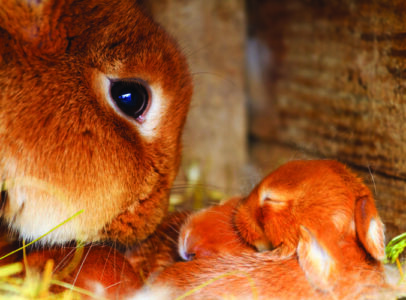
When I raised English Angora rabbits, I bred for wool that didn’t mat easily. This made caring for them simpler, because they needed less brushing, and they were less likely to develop skin infections. Ultimately, though, I wanted a fiber animal that produced good-quality wool. The most important trait often varies from breeder to breeder, but the animal’s health should always be top priority among selective breeding examples. For that reason, animals with genetic health issues should never be bred.
For a helpful list of selective breeding examples for horses, see our article, Checklist for Buying a Horse.
Reasons Why Culling Is Necessary
Culling is the selective removal of animals by means of selling or slaughtering. For years, people thought the word was synonymous with slaughter; however, breeders also use the term to describe retiring an animal to a pet home or simply removing it from a breeding program. Your method of culling is up to you.
Culling should be a vital part of every breeding program. Why is culling necessary? You’re not breeding with a purpose if you don’t sell or evaluate. I often think of homesteader Justin Rhodes, who presents his strict culling practices to more than a million subscribers on his YouTube channel. He often culls if an animal struggles to give birth, because he wants livestock that need little to no intervention. Or, consider Weed ’em & Reap’s YouTube channel. This family raises dairy goats, and the mother often makes tough calls to sell or sterilize animals that don’t meet her standards.
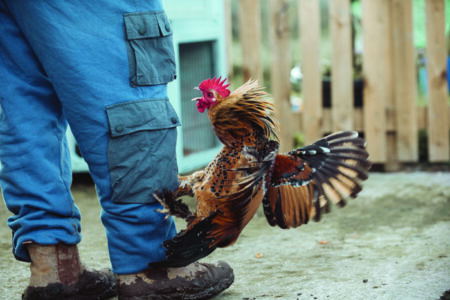
Over the past 20 years of raising livestock with my family, I’ve developed my list of an animal caretaker’s top five selective breeding examples for an automatic cull.
- Aggressive behavior is always an important reason for culling, especially when tied to genetic issues. When I was young and a member of 4-H, I raised an aggressive rooster whose behavior I believed could be changed. Then, he spurred me and hit a vein. His behavior continued to worsen, and we ended up eating him. This experience opened my eyes to the fact that sometimes animals are born with serious behavioral issues that can’t be put right.
- Genetic problems. Not only will I cull an aggressive animal, but I’ll also cull its offspring, because the problems may be passed down. For me, genetic health is always a critical reason for why culling is necessary, as I don’t want bad traits to accidentally be bred into my program. This will save a lot of headaches later on. The Weed ’em & Reap YouTube folks unsuccessfully tried to breed out a genetic issue and ended up sterilizing the entire line. A similar issue happened with my flock of Columbian Wyandottes. The roosters developed leg issues, and I culled them immediately, because this problem would complicate almost every other item on my list of top five cull reasons.
- Poor mothering costs money and causes problems. I worked in many rabbitries when I was new to raising rabbits, and observed that bad mothers chewed ears and limbs off babies, stomped on them, and even occasionally attacked them and their human caretakers. I’m lenient with protective mothers, but not those that hurt their babies.
- Severe conformation issues. Conformation isn’t only important for show animals, but also for your breeding program. When you read standards that have been set for a livestock breed, you’ll note the conformation guarantees the overall health and production of the animal. It’s sometimes best to cull animals with conformation problems and instead find livestock more closely aligned to what you need. Figure out your exact needs because each animal has a different body conformation.
- Inability to free-range. If any poultry can’t or won’t free-range, it results in an automatic cull from my flock.
Selective Breeding Examples in Practice
When you breed animals, your ethical responsibility includes ensuring the animal is well cared for. This includes any future offspring. That’s why goals are critical, not only short-term but also long-term. The first step is to have a clear idea of what you need in the animal. Breeding just for breeding’s sake can cause a host of issues, especially if you don’t have a pedigree or a history of your animals’ lines. Choosing goals is important to better understand yourself and what you need to do to accomplish this within a sustainable and healthy breeding line.
For example, one of my current goals is to develop a dual-purpose egg and meat chicken. This goal directs me when I’m buying chicks. Another goal is to create breeding pens for purebred heritage breeds to better improve our sustainability, and to sustain these breeds for future generations. This means I’m constantly researching lines and identifying pertinent breeders. I made the mistake of lacking clear selective breeding goals when I raised rabbits. Someone once told me at a show, “You need to figure out what your true passion is when it comes to breeds and stick with it.” They were right. I was so determined to have many colors and breeds that I couldn’t focus on improving my rabbits.
Another important aspect to understanding your goals is knowing where you can obtain future stock. If you pick a rare breed, you may need to spend money to gain more genetics over time. This can cause a lot of future headaches and may not be right for everyone.
Choosing livestock for the best genetics is a process; you have to make yourself a plan, outlining selective breeding examples and goals, and then purchase animals based on it. Having a good, sound animal as the foundation to your breeding lines will ensure you won’t have issues in the future, and culling hard is important. Make sure you purchase stock from reputable dealers with biosecurity practices in place, including clean areas for their animals, a manageable number of animals or breeds, and a good knowledge base about their lines’ genetic information. Breeders of cows and other large stock, as well as poultry, should conduct yearly inspections. When you purchase from a reputable breeder, you’re more inclined to get healthy animals.
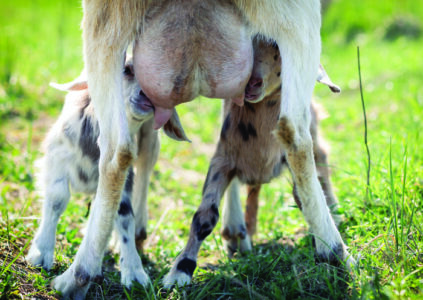
Find a mentor nearby who raises the animals you want. This is a great way to learn more about your animal’s genetics. Ask your mentor how they manage their stock and plan their breeding program. Record-keeping is important for staying on track, so discover how your mentor manages that aspect.
By following your goals, you’ll ensure your animals’ genetics are exactly what you need to meet your objectives as a breeder. Also, consider importing new stock to bolster diversity, because you’ll increase the likelihood of genetic abnormalities by line breeding too much — another reason why recordkeeping is so important and why culling is necessary.
Virginia Montgomery is a writer and beginning homesteader who runs a small backyard farm with her family.
Originally published as “Choosing Critters” in the September/October 2023 issue of Grit magazine and regularly vetted for accuracy.