Consider selection methods in animal breeding and where to source a breeding male for your herd without the expense of keeping him year-round.
Homesteaders and small-scale farmers enjoy many benefits from operating at a reduced scale, but breeding efficiency isn’t usually one of them. A large farm can better defray the costs of keeping breeding stock (bulls, boars, or bucks). But for small farms, carrying the year-round expenses associated with animals kept solely for breeding can significantly cut into profits.
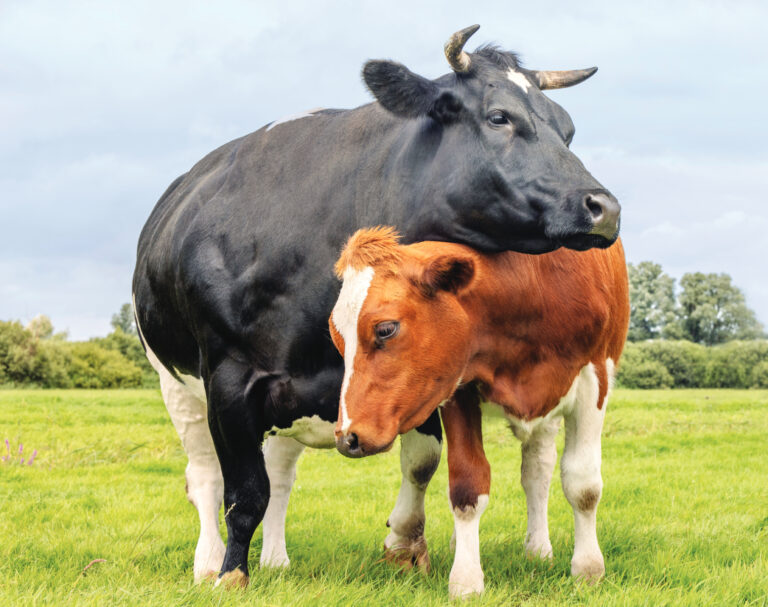
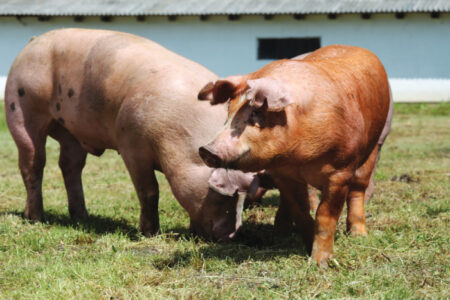
Consider a small-scale swine operation, for instance, which may feature merely a few sows, or consider a homesteader who breeds a single sow annually for a batch of piglets to raise for meat. Pigs eat a lot, so carrying a boar year-round to breed one or a few girls comes with a substantial feeding cost, alongside the cost of building a separate pen to house the boar when his services aren’t needed. Now add the money (and effort) for more bedding, fencing, watering, shoveling manure, deworming, and veterinary care. You’ll face similar needs when keeping bucks or rams. They’re often more aggressive and unruly than boars, and keeping them separate during freshening poses its own challenges – goats are difficult enough to fence in without a buck intent on rejoining his mates. And while a bull kept for a milking herd can often be fenced with the cows, they’re big eaters and can pose a safety risk to children, neighbors, and farmhands.
Special Needs for Rare Breeds
In the old days of widely dispersed small farms, you could more easily find male breeding mates nearby. Not only were farms smaller, but they were also more diverse, so a neighbor might have pigs, sheep, or goats, along with some dairy or beef animals. Today’s concentrated agriculture has eliminated the wide diversity of available breeding options that once predominated. The shortage of available males isn’t only an issue of distance, but poses a genetics problem as well – one that a farmer should consider at the outset when selecting breeds.
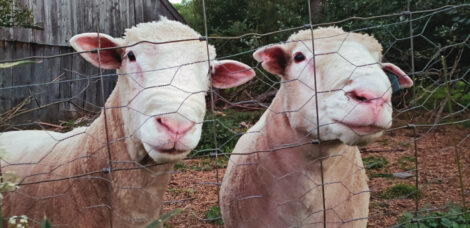
You might find rare heritage breeds of cows, pigs, goats, or sheep appealing. They are! But consider when breeding time comes. Driving out of state to find a male to match will be challenging. Yet, making do closer to home by crossbreeding defeats the purpose of keeping the particular heritage breed of animal you chose in the first place.
The takeaway: When selecting livestock, plan for finding their future breeding mates. Corriedale sheep are lovely dual-purpose animals for meat and wool, but Dorsets and Katahdins are more widely available, making life easier when it comes time to buy or trade a ram.
You Have Options
You have alternatives to maintaining a breeding male year-round. And while I recognize the biosecurity advantages of a closed herd, such as lower risk of disease, some new blood is necessary to avoid inbreeding. Here are a few potential options to consider.
- Artificial insemination offers various benefits (and isn’t as controversial as the other “AI”). Insemination poses no risk for disease, requires no feeding or caring for an extra animal, and offers the possibility to improve genetics without having to pay a fortune for the sire. However, you don’t find as many traveling inseminators as you once could, livestock semen costs can be high, and the option is often limited to cows, goats, and pigs. In addition, you may face the managerial challenge of catching female stock at exactly their right time for breeding and face trouble restraining them for a tube-wielding stranger. After all your efforts, the female may not “take” to the procedure. In contrast, having the right boyfriend physically around accomplishes each of these tasks, freeing the farmer to move hay (or even sit around a fire).
- Borrow or loan a stud. You can either borrow a breeding mate from a neighbor or buy a male that you’ll later loan out. In the latter case, the recipient bears the costs of feed and management for a time, which spares the owner from expenses during those weeks. Loaning out can be desirable if the male is a particularly favorable specimen, a proven performer, or a hard-to-find breed. You’ll need to plan for trucking and the risks associated with exposing an animal to another herd (though my view is that you’ll face this risk sooner or later, when you eventually need to introduce new bloodlines).
- Buy a breeding animal to resell later. This option avoids having to keep an animal year-round, which saves money and labor. Even if you can’t fully recoup the cost of the animal during resale (most breeding stock fetch their highest price during an optimal breeding window), incurring some loss is cheaper than paying for feeding and labor. However, I’ve seen that by providing exceptional care and learning the market, a farmer can flip a breeder for a profit, making for a win-win.
- Trade breeding males with other farmers. This approach won’t spare the cost of carrying extra stock year-round, but it can offer benefits. If your trading partner maintains good genetics and a clean herd or flock, your animals’ future offspring will be prime, with a low risk for illness. I’ve enjoyed this method myself, trading registered Dorset rams with a local farmer who had lovely sheep and a closed flock. No money is involved unless you need to hire a livestock trailer, so you can keep your wallet tucked away in a back pocket.
- Breed it and eat it. Farmers often buy an animal for breeding and then slaughter him for home consumption or sale when his work is done. This method is quite efficient but can pose potential problems with meat quality. The beef from a mature bull that has done a lot of “work” can be somewhat tough to chew – and many people don’t want to eat Holstein bulls, so breed matters. Bovines can be steered post-breeding but must be fed for some months to tenderize their meat, which requires feeding and management, plus vet costs for the procedure. Meat from older rams and goats can be tough to chew (young animals are likely to be fine, even without castration). I discourage eating boar meat, although you may be okay to serve it if the animal was castrated and then fed properly for at least three months.
When Keeping a Male Makes Sense
Farmers often switch between the different methods. They may discover an ideal breeding specimen one season, either through conversations with other farmers or on an online platform, such as Craigslist or Facebook, but not have the same luck next season. A favored animal source may retire or go out of business, necessitating a new search for a suitable replacement.
You should carefully weigh the risk of your animals contracting illness, particularly for goats and sheep, which can be more susceptible to disease than cows and pigs. In this case, you may decide it’s more beneficial to keep a breeding male for more than one year. You’ll incur the hassle of feeding, housing, and labor, but you’ll be able to “close” the flock or herd from exposure to other sick animals during that time.
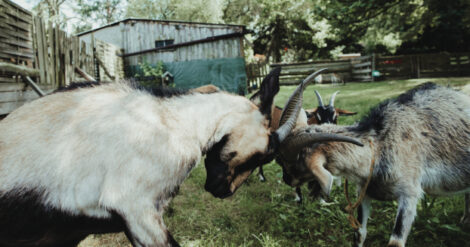
Finally, as the size of your flock or herd increases, it may become viable to maintain a breeding animal. Many farmers keep more than one male as populations increase, because it can become challenging for a male to “cover” all the females. The males should be of differing ages for a couple of reasons. One is to prevent conflict – rams and bucks can injure one another in competition. This outcome is less likely when they’ve established a clear hierarchy of power, a pecking order for livestock. Second, as animals age, their sperm count declines, so having males of varying ages helps ensure you’ll have enough babies.
Most farmers will experiment with many or all of these methods over several years. Determine what will work best for you, knowing your method can vary from year to year. Remaining nimble is part of farming, after all.
Attorney-turned-farmer John Klar left a career in tax advising and litigation in 1999 to raise dairy animals with his wife on 160 acres in Vermont. He’s the author of the book Small Farm Republic and can be found at www.SmallFarmRepublic.com.
Originally published in the September/October 2026 issue of Grit magazine and regularly vetted for accuracy.