There is no telling when a sick or injured chicken is going to need immediate, medical attention, so it is best to prepare for emergencies. Knowing the types of supplies to have on hand is as important as having a safe, quiet space in which they can recover. I use my infirmary space for multiple purposes, including: a broody den for hatching chicks, a time-out space for aggressive or problem chickens, a broody-breaker crate and as a grow-out space for teenagers being integrated into the flock.

Chicken first-aid kit
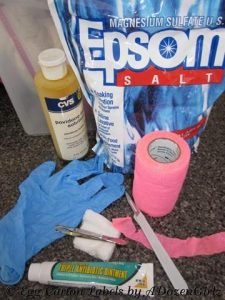
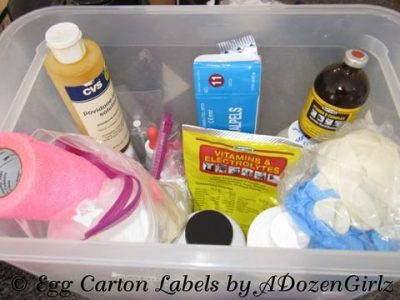
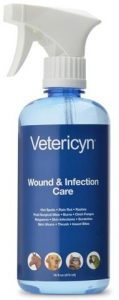
I always keep a basic first-aid kit handy and stocked with: Vetericyn, vitamins and electrolytes, epsom salt, non-stick gauze pads, Vetwrap, gloves, Epsom salt, sterile scalpels, tweezers, scissors and Duramycin, antibiotic ointment, Nutri-Drench and povodine-iodine. During an urgent, medical situation, acquiring supplies should not be the priority.
CAUTION: It is very important that the antibiotic ointment used on chickens NOT contain a PAIN KILLER. Any ingredient ending in “caine” or “cane” (eg: benzocaine, lidocaine) can be harmful, if not fatal to chickens.
Some other items you may wish to keep in a more extensive medical kit for your chickens are:
- a hen saddle
- a chicken diaper
- a flashlight
- dog nail clippers
- styptic powder
- Popsicle sticks
- Preparation-H cream
- Superglue
- Old towels
Sick bay for chickens
The following photos illustrate some of the arrangements that I have used over the years to house sick or injured chickens. They work equally well for segregating broody mother hens.
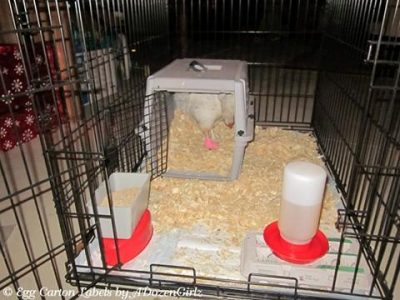
The hen below had just weathered a difficult and stressful bumblefoot surgery. She needed to rest and this was the only way to get her to do that. She has vitamins and electrolytes in her water due to the amount of blood loss, which was unusual.
Injured chickens should be kept apart from the rest of the flock, in a safe, quiet living space, until they are fully recovered to protect them from being bullied or pecked to death.
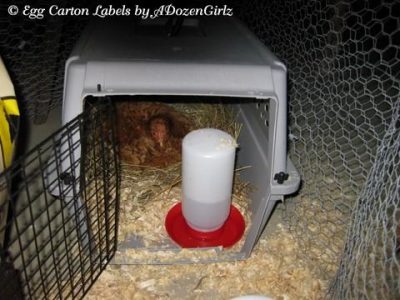
It is wise to know how and where a sick-bay will be set up in advance, before it becomes necessary. The basic requirements of a sick-bay are that it is safe, is spacious enough for the chicken to move around in, is accessible for cleaning and there’s a place for food and water in it. It helps if it’s in a dark, quiet place that is approximately the same temperature that the chicken was used to in the coop. There are countless options for a sick-bay. These are a few I use, depending on the time of year and nature of the injury.
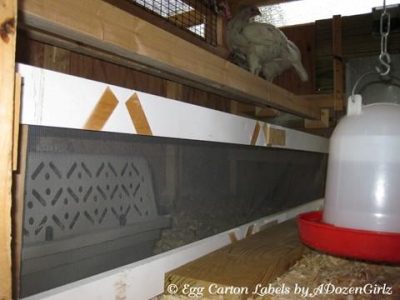
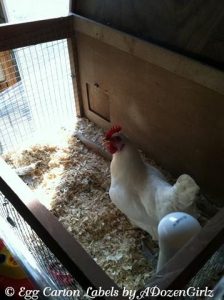
Temporary cage inside my 8′ x 8′ coop, which works well for many purposes, including integrating new flock members.
Follow Kathy Shea Mormino at The Chicken Chick or join her on Facebook!