Want to learn how to harvest wild rice? Follow Frank Pezzutto’s wild rice harvesting in Minnesota to gather pounds of nutritious grain for your winter storehouse.
For those of us lucky enough to live in the Great Lakes region, enjoying locally harvested wild rice is one of the benefits of living here. We take an even greater enjoyment in harvesting this annual plant using traditional methods, navigating a canoe through beds of wild rice and dislodging the grains into a boat with wooden flails. Working as a father-son team allows us to switch roles, sharing both the work and the bounty. Here’s our primer on harvesting and processing wild rice for anyone who can paddle a canoe and swing a wooden stick.
The Good Berry
The Ojibwe people called the wild rice plant manoomin. “Good berry” is one translation for this word, but there are many others among various tribes, attesting to the importance of this food source. Wild rice is considered a sacred cultural component for many Great Lakes peoples. A good harvest was crucial for the well-being of Indigenous people; wild rice is high in protein and vitamins, and has a long shelf life when stored properly. So, when you’re on the water harvesting, be sure to respect the plant and the proud culture of the tribes that value it.
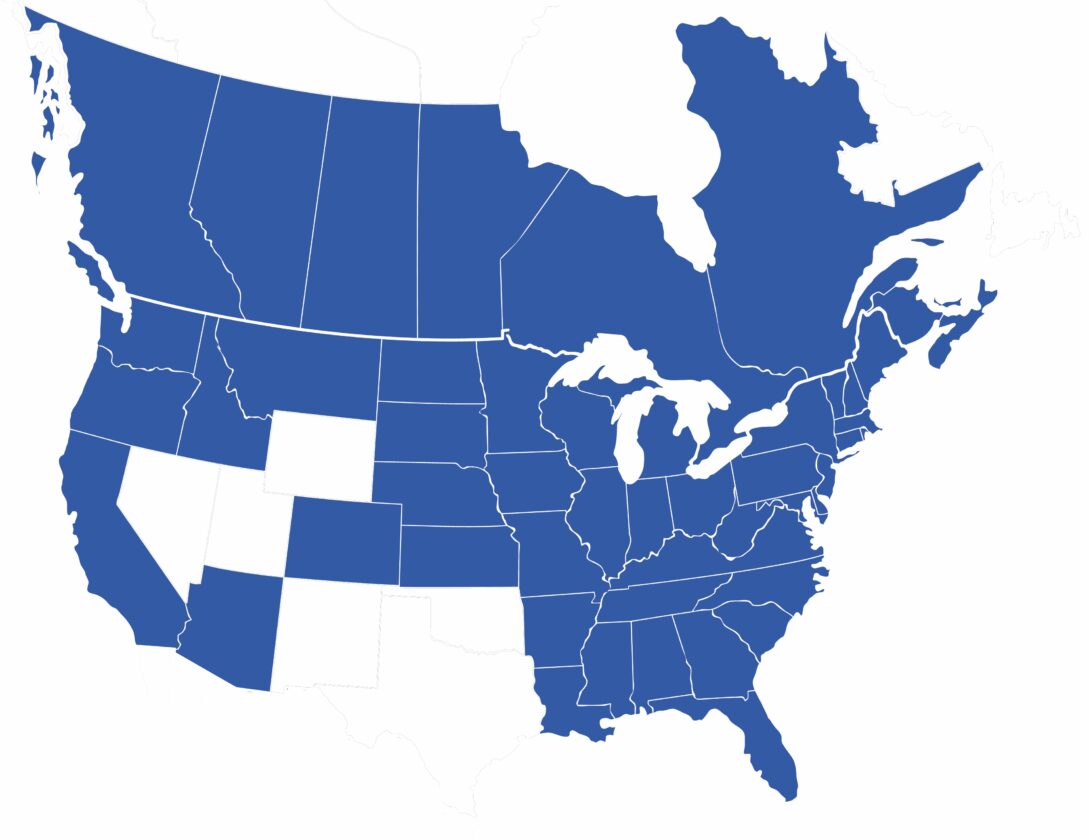
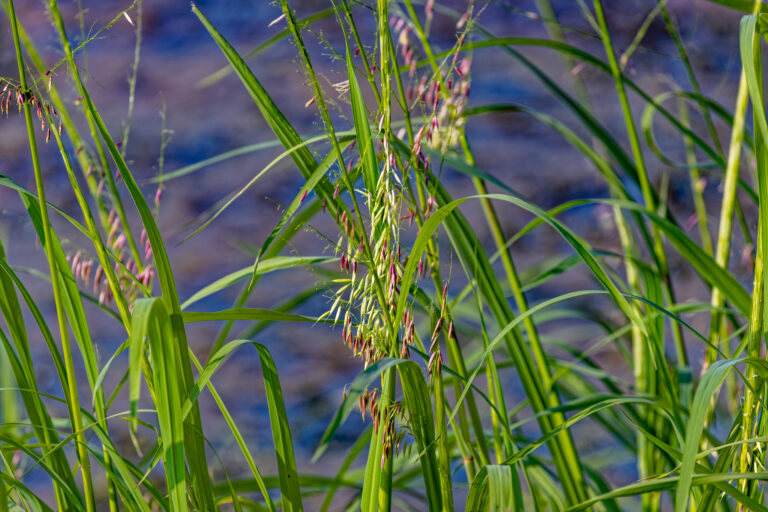
Wild rice is an annual grass indigenous to North America. Three species of wild rice are native to the continent, but one of these (Zizania texana) is found only in Texas. The other two occur near our northern Minnesota home, and can be found in many other U.S. states as well (see map at right). Z. palustris and Z. aquatica grow in shallow lakes and sloughs with a mild current, and also slow-moving streams. Wild rice prefers to grow in several inches of soft muck. This annual grass is self-seeding. Grains not eaten by wildfowl will lie in sediment on the lake bottom over winter and germinate in spring. Wild rice appears on the water surface in late spring as a flat, narrow, floating leaf. At this stage, it’s susceptible to fluctuating water levels. A promising rice bed can be severely damaged by wind, thunderstorms, or flooding caused by beaver activity. High water will uproot the floating leaflets.
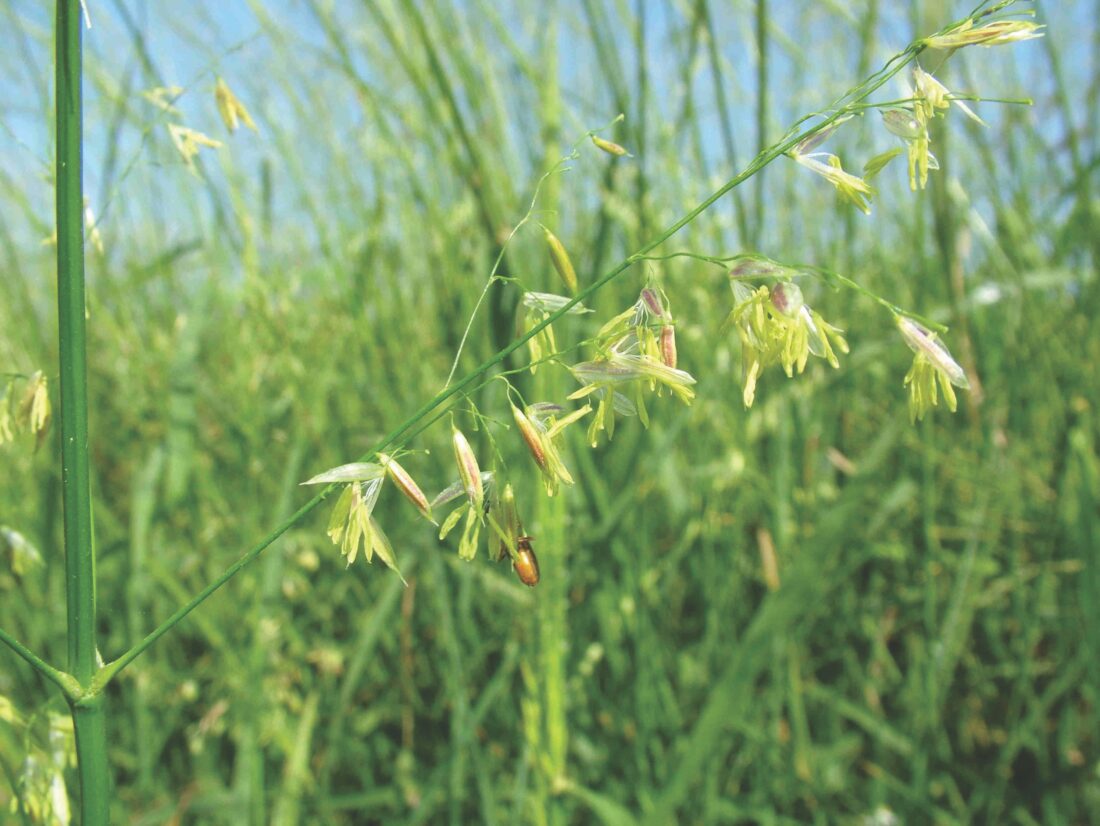
Flowering stalks rapidly shoot up by midsummer, and can easily reach 4 to 6 feet tall. Shortly thereafter, a well-developed seed head becomes visible; the green grains are now in the milk stage. Where we live, the ripening grains start to turn brown to purplish in color around Labor Day. In a large bed, an ocean of ripe heads pointing downwind is quite the sight. You can test ripeness by shaking several stalks gently to see if they’ll drop grains into the water.
Harvest Time
Here in Minnesota, wild rice season legally starts in late August. Not all rice beds ripen at the same time, and not all grains on a stalk ripen at once. Thus, it’s possible to harvest the same bed numerous times during a season, which typically lasts about three weeks. Minimize your impact on the rice beds so they’ll remain productive, as a courtesy to fellow harvesters and wildfowl.
We recommend using Google Earth to scout for wild rice sites in your area. On satellite imagery, these beds will have a light-green appearance. After some trial and error, you can become adroit at identifying potential waterways to visit with your canoe.
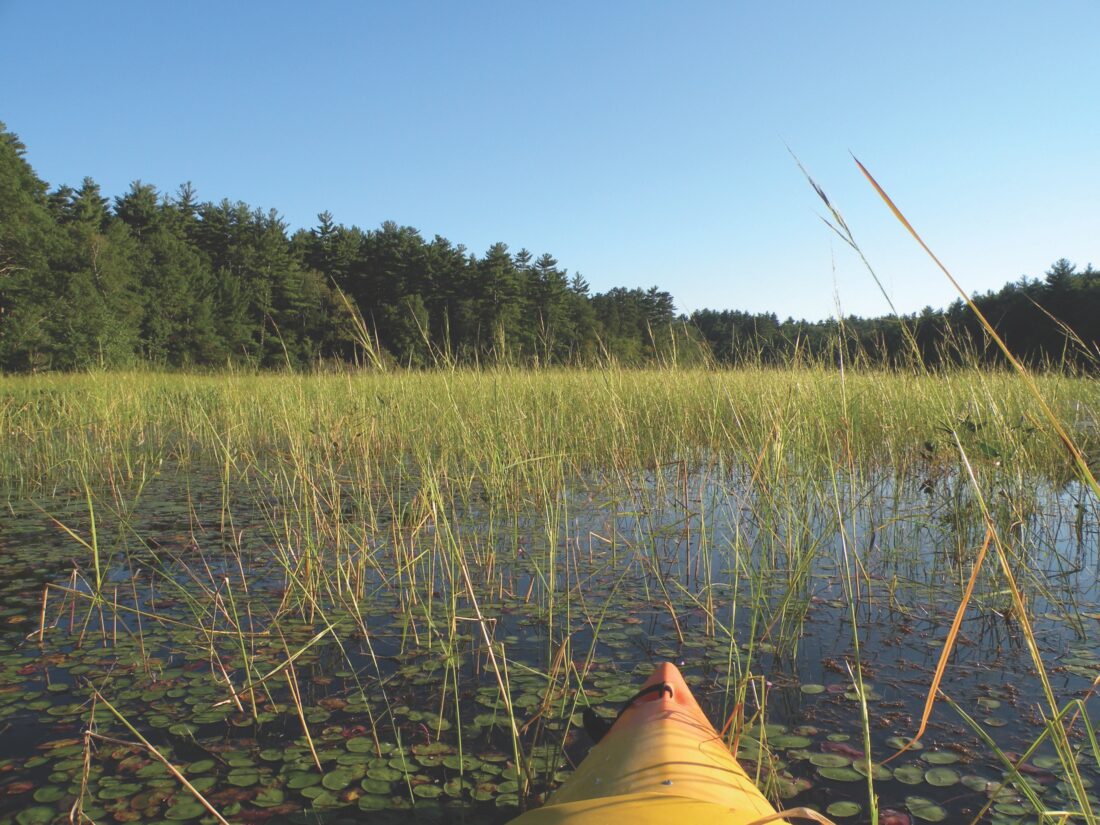
Wild rice outings needn’t be expensive endeavors. Most states or tribes (if harvesting on tribal land) require a license, but 4 or 5 pounds of harvested and finished grain will cover that cost. For equipment, you’ll need a canoe with a paddle or pole for propulsion, and a flail. Be sure to check local rules on watercraft size restrictions. If you don’t own a canoe, you can borrow one from a friend and share some of the harvest, or, even better, bring them along. Some folks use a 12-to-16-foot-long pole to push the canoe through the rice field, but we prefer paddles, because we don’t have to stand at the back of the boat to use them. If you use a pole, choose one with a forked end, or affix an aluminum duck-bill attachment to the end of the pole to prevent it from sinking into the mud. Any store that caters to duck hunters will carry them.
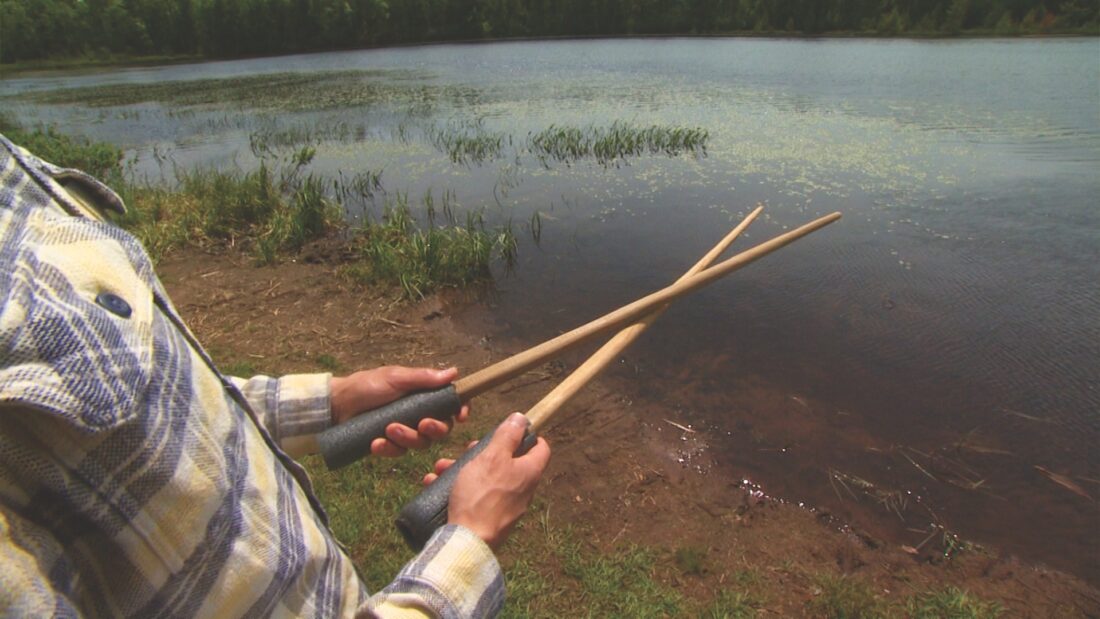
Flails are sticks used by rice harvesters to remove grain from the plant (also known as “threshing”). In Minnesota, flails can’t be more than 30 inches long, and each can’t weigh more than 1 pound. Traditionalists use cedar flails; ours are poplar dowels that we’ve shaped with a disk sander. Choose strong, lightweight wood for flails, because swinging a pair of them for 4 to 6 hours is tiring.
Other useful equipment is a milk crate to use as a seat, boat cushions, life jackets, gloves, hats, and sunscreen. Insect repellent is a good idea for the spiders, flies, and rice grubs you’ll encounter, and we recommend wrapping duct tape around the bottom of your pant legs for the same reason. Wear old sneakers, because they’re cool and lightweight, and expect them to get wet.
Teamwork Reaps a Larger Harvest
Ricing can be done by one person, but having a partner will increase your harvest three- or fourfold. With a two-person crew, the paddler sits at the rear of the canoe, and the ricer sits on a milk crate immediately in front of the paddler. The ricer uses the entire front of the canoe to catch falling grain.
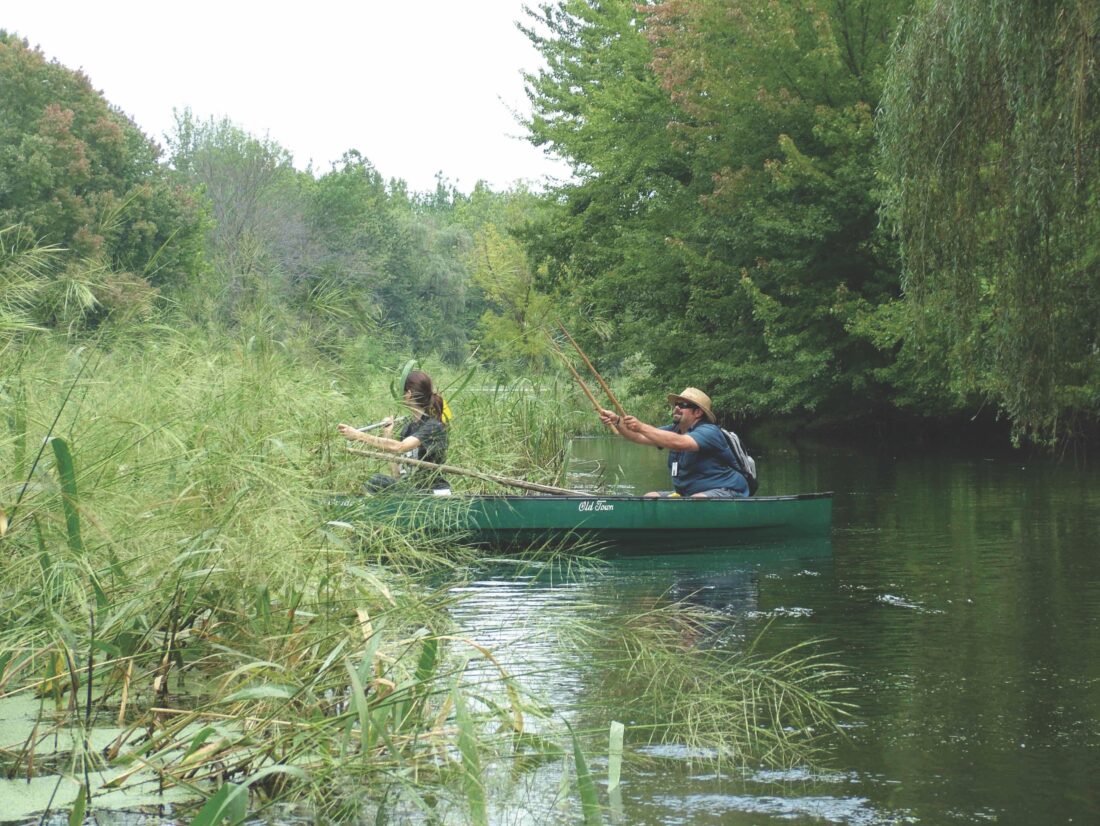
To harvest wild rice, the paddler propels the canoe forward at a slow walking pace. The ricer uses one flail to gently guide a cluster of stalks over the gunnels. With the second flail, the ricer gently raps the tops of the stalks a few times with a smooth, flat stroke, nearly parallel to the seed heads. You should start the swing above the height of the gunnels and sweep toward the seed head. Don’t rap the seed heads vigorously, or you’ll damage the plant and dislodge green rice. Then, with the hand you used for rapping, hook another cluster of stalks over the edge of the canoe, and flail with your other hand. Thus, wild rice on both sides of the canoe can be harvested in the same pass. Soon, you and your partner will fall into a soothing and efficient rhythm of propulsion and harvesting. The ripe grains falling into the canoe make a satisfying sound, a bit like sleet on a car window. Remember to take breaks, stay hydrated, and switch roles occasionally when you return to land. Eventually, you’ll sort out who wants to paddle and who’s the better ricer. Ricing can be a fun outing, but it’s still a workout.
Accomplished ricers can harvest up to 200 pounds of rice in a day. We’re delighted if we get that much in a season, because our local rice beds are small. That said, the more trips we make, the more rice we glean.
Your canoe will contain a lot of broken stalks, leaves, and insects. Aside from wild rice, all plants and living creatures must stay at the landing, so make sure your canoe and gear are free of invasive plants before you leave the bed. To get rid of the bugs, securely fasten your rice-laden canoe upright in your pickup truck box or on your trailer, and most spiders and flies will blow off after you drive a short distance. We stop several times to stir the rice with a canoe paddle, thereby giving the remaining bugs an eviction notice. Recently harvested wild rice is heavy and won’t blow out unless you speed.
Taming Wild Rice
Dry your wild rice harvest as soon as possible or it will mildew. We spread ours on a tarp that’s tied down to an ATV trailer in the backyard to keep the rice off the ground and away from fowl. One sunny day will dry the rice for temporary storage and drive off most of the remaining insects and grubs, and a quick raking will remove pieces of stalk and chaff. Until we’re ready to take our harvest to a processor for finishing, we spread out the rice on elevated wood-framed screens set up in the garage. Every garage has mice, especially as fall draws near, so keep the rice off the floor, and set traps baited with peanut butter that you check daily. Freshly harvested rice loses a surprising amount of weight as it dries, so don’t be surprised if your initial 80 pounds becomes 60.
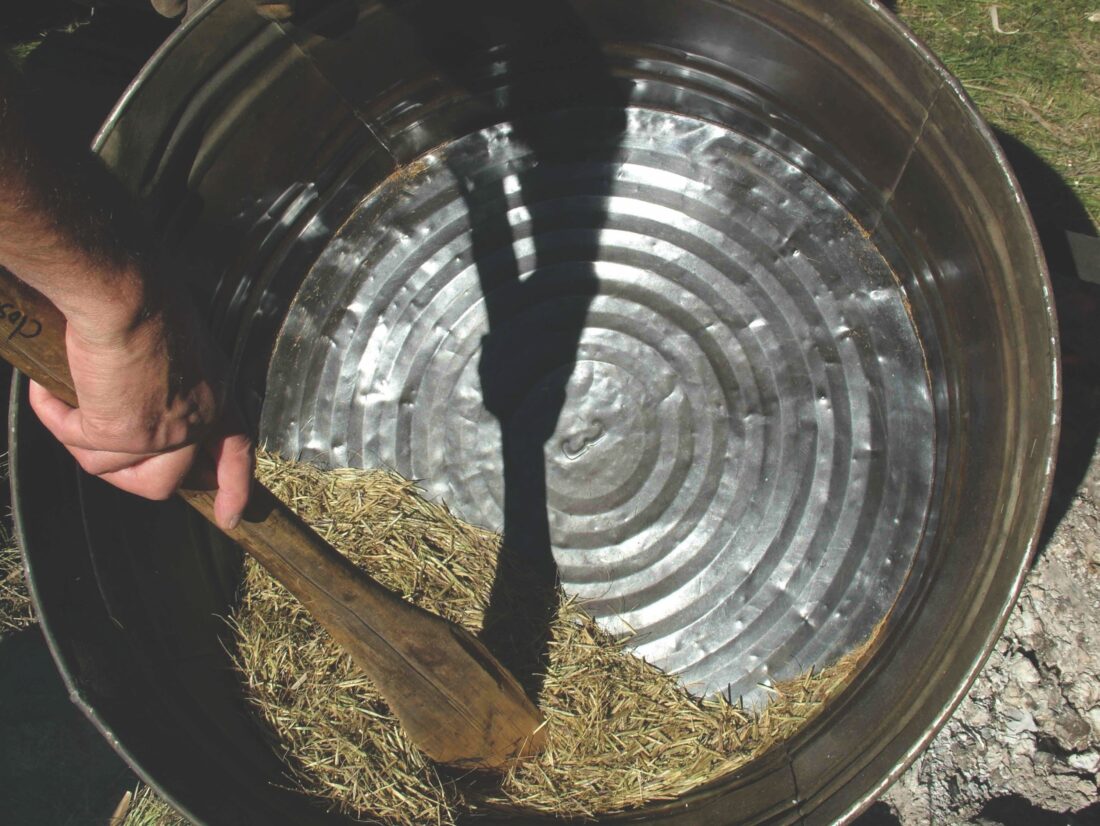
Even after the initial drying, your harvest will still contain too much moisture for long-term storage. The next steps to preserve the harvest include parching, hulling, and winnowing. If you’re a do-it-yourselfer, you can find plenty of online tutorials on how to process wild rice for storage. We prefer to have our harvest professionally done by individuals who process wild rice as a sideline. We found our folks through word-of-mouth; you can also contact your state department of natural resources for help.
People who process wild rice professionally like to run large batches; this requires you to store a fair amount of rice until you’re ready to bring it all in. We recommend pooling with fellow harvesters to get a bulk discount, especially if the processor is located far away. When it’s time to divvy up the final product, simply prorate the rice based on the initial weight. You can expect a 50 percent rate of return, because a significant amount of your initial harvest by weight will be moisture and empty hulls. Some years, the recovery rate will be 60 percent; other years, in the 40s. Although it’s sparse on the stalks, late-season rice often has a high return rate because the percentage of fully ripe grains is greater than early in the season. So, it can be worth your time to make that final outing.
Dried wild rice still retains a high amount of moisture. The next step, parching, further reduces the moisture content and helps release the hull from the kernel. Parching over a fire in a tilted kettle or a commercial roaster requires constant stirring with paddles to keep the rice from burning. This is another task that’s best done with a partner, because the smoke always seems to be in your face. Correctly parched rice is golden-brown to almost black in color. Individual grains should snap cleanly when bent. Thoroughly cool the rice before the next step: hulling.
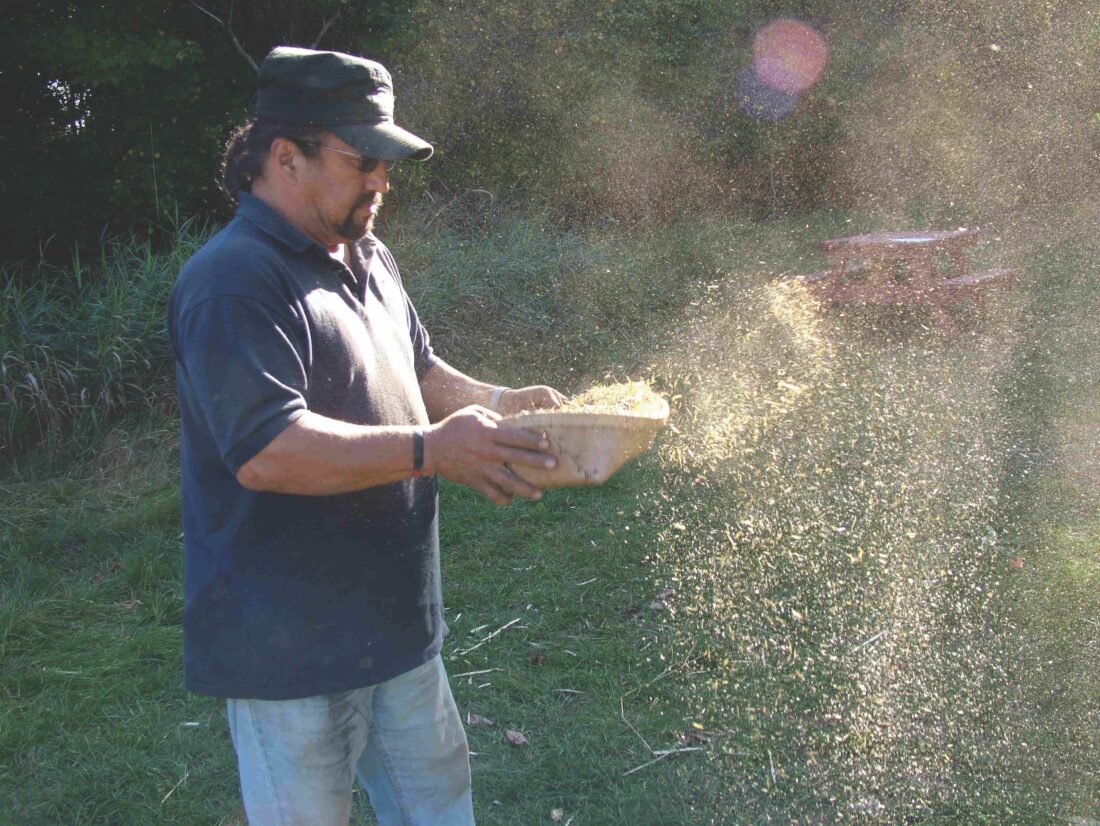
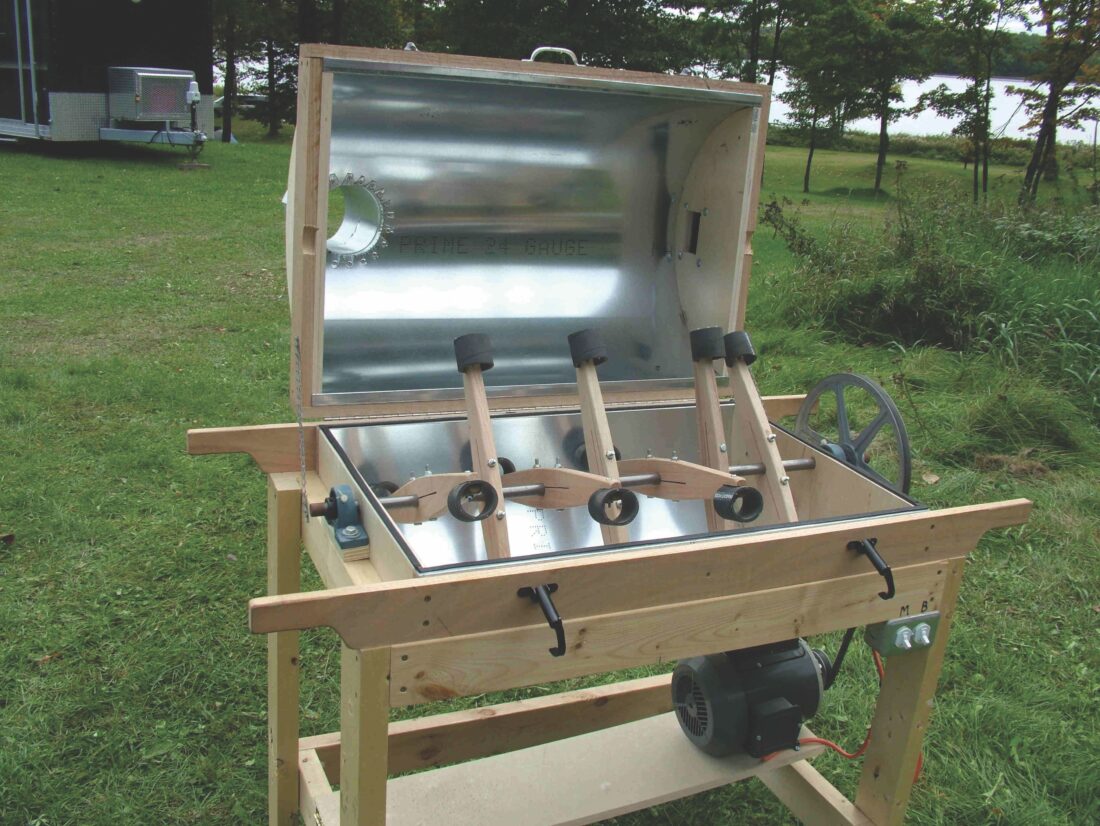
Although the heat of parching causes much of the rice to lose its long, pointed hull, many grains will still need to be dehulled. The traditional way is laborious, involving gently treading over grains spread between two leather hides. We let a mechanized huller do the work. These machines are essentially rotating tubs fitted with flaps that rub the grain along the tub’s interior. This friction removes the hulls without breaking a significant number of kernels. The huller will separate the chaff from the grain. You can also winnow rice with a rice basket in a moderate breeze. We recommend wearing a dust mask while winnowing. Mechanized processors also employ a vibrating table that separates whole rice from broken grains, which are suitable for soup. Some processors will also give you a bag containing small broken grains, pebbles, fused ash, and other organics; we feed this to our fat, spoiled chickens. For professional finishing, you can expect to pay $2 to $3 per pound of final product.
We always look forward to the late September day when our processing friend calls to say the rice is ready to pick up. We always have plenty to share. Because harvest takes place in fall, wild rice makes a timely Christmas present.
Wild rice harvesting is a fun and productive way to spend time on the water, and gives you an excuse to get out a few more times before ice-up. Expect to flush a variety of waterfowl, including ducks, rails, geese, and swans. On cool mornings, you’ll get to watch the sun burn off the fog. Rice will slowly fill your boat as the day warms up. Another bed of wild rice waits around the next bend, and each new site seems to promise a better yield than the last.
Frank Pezzutto is a retired geologist who was introduced to wild rice harvesting by W.G. of the Leech Lake Indian Reservation in Minnesota. His son Christian is a carpenter. They harvest rice together every fall.