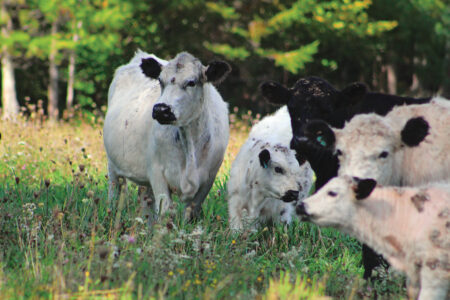
Reap the benefits of a traditional North American diet when you make these easy Native American recipes.
Prior to the removal of Native Americans onto reservations, where commodity foods were forced on them, they experienced very little heart disease, high blood pressure, obesity, or diabetes. The past few decades of nutrition research have shown an association between processed foods and these diseases. Yet, despite this knowledge, today’s American population continues to consume poor-quality food.
Processed food has become the norm for our modern society. We feed our children junk slid through a window at a fast-food establishment. At home, we get our food from boxes and cans with shelf lives of several years. Corporate processors refine and bleach all the good things out of flour and then “enrich” the final product.
It’s no wonder our children have diabetes, obesity, and behavioral problems; the root of the problems is the food we eat. But food being the cause of many of our problems means it can also be the solution.
Years ago, I started to relearn how to cook the traditional foods of my ancestors. My mother taught me a great deal, but I had so much more to learn. I tuned into others’ lessons, read books, and experimented in the kitchen, making progress through trial and error. Wherever I traveled, I made a point to learn something about Native foodways. In Alaska, I learned about different berries and how to work them into various dishes; in the Sonoran Desert of Arizona, I learned about native chiles; and in my own area of New England, I learned how to make various teas from blueberry stems and leaves. I even dabbled in the teas my mother made using pine and spruce needles.
What Are Traditional Foods?
What even is a “traditional” food? It’s a simple question to ask, but a difficult one to answer. Every culture has traditions and foods that go with them. The food traditions in North America come from all over the world and have added to the many meals I’ve prepared. For the sake of brevity, I’ll speak to the traditional foods eaten by the original peoples of this continent.
There is no single, monolithic Native American “traditional food.” Different plants, animals, customs, and beliefs govern what one group of people decides to eat and when. What’s traditional in Alaska, an area well-known for its salmon and cedar, may be totally foreign to people of the Northeast. (One way I learned to prepare salmon is to cook it on a cedar plank soaked in saltwater and served with a sauce made from a variety of fresh berries.) In the desert Southwest, peppers, both sweet and hot, are commonly mixed with meat and served on a cornmeal tortilla. Sauces are made from the fruit of both saguaro and prickly pear cacti. The people of the Great Plains were largely nomadic and relied heavily upon traveling herds of buffalo and other large game, as well as what they could forage or trade as they followed annual routes. The Southeast has deep farming and fishing roots, and many early foods are still enjoyed across the South, including grits and Cajun foods. In the Great Lakes and east to the Northeast, wild rice, fiddleheads, berries, and nuts supplemented deer, moose, waterfowl, small game, and fish. No matter the region they called home, most tribes relied on game supplemented by foraging, trading, and farming. Cornbread, maple syrup, fish chowder, baked beans, boiled crawfish, and a host of others become “traditional” foods over many years.
We must not forget the influence European Americans had on Native foodways. Forced relocation shaped diets, so that the Western Cherokee adapted to what they found in Oklahoma. This makes their food a bit different than that of the Eastern Cherokee, who remained in the Carolinas. I can say with conviction that fry bread is not traditional, though many non-Native people have been taught it is. The myth is no different than claiming that funnel cake served at the state fair is a traditional “American” food or that Spam is a traditional Hawaiian food. Each is a result of modern overprocessing and, therefore, not a one of them is truly “traditional” – nor good for you.
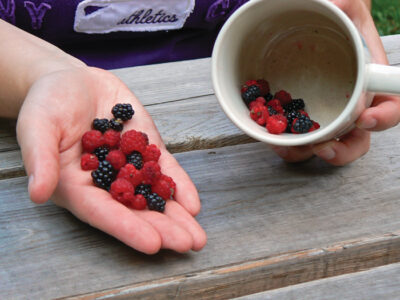
The forests, fields, lakes, and ocean provided my Abenaki ancestors with everything they needed to thrive. From the forests came wild game, including deer, bear, moose, rabbits, squirrels, turkey, and grouse. The forests also provided nuts, such as walnuts, chestnuts, acorns, and beechnuts. The forest floor yielded such treasures as ginger and Jerusalem artichokes. From the fields came blueberries, blackberries, raspberries, strawberries, and cranberries. Marshes held waterfowl, and the oceans provided a wealth of seafood. Gardens provided squash, maize (corn), and beans.
Although each region is undeniably different, I’ve discovered many similarities between them during my travels. For example, you can also find cranberries in traditional Alaskan diets. The people of the northern Plains dig root crops, such as wild turnips and camas, for their dishes. Numerous varieties of corn, beans, and squash were cultivated across North America, and ginger grows in the Ohio Valley and the Carolinas.
Processed sugar and salted meat and fish arrived with Europeans, but Native people used salt in different ways (and typically in lower quantities). In place of processed sugarcane, Native people used the sap of maple, birch, and elm trees. Above all, Native diets didn’t orient around excess, generally keeping rates of extreme illness low. Medicinal teas were handy for treating the common cold and other respiratory ailments.
How to Eat a Traditional Diet
A Pawnee elder told me, “We were once one of many, but today we are many of one.” I personally enjoy bison and wapiti (elk), something unavailable to my Abenaki ancestors, but which I’ve learned to properly prepare from the Lakota of South Dakota. Another crop uncommon for my ancestors is peppers, but I’ve learned to cook with peppers from the people of the Southwest. We’re all connected, and eating a healthful, “traditional” diet is good for all of us.
The American diet, on the whole, supplies too much animal protein. Native people throughout the continent historically never relied so heavily on protein-overloaded meals. Consider that as a hunter, particularly in an age before firearms, the odds of bagging large game during a hunting outing were relatively low. A greater proportion of traditional diets came instead from small game and vegetables, both homegrown and foraged from the land. All humanity’s ancestors ate a balance of starchy roots, greens, fats, and protein, immune from following marketed trends. How can we implement this evolutionary relationship with food into our lives today?
For me, it’s simple: just look at what your current diet entails. If you see a bunch of processed food, then you’re in trouble. A diet that’s high in fat, sugar, salt, and hydrogenated oil is a path that’ll do you in. But you have options to make a change:
- Cut out processed food. Skip a trip to the fast-food joint, and stop eating out of a box. Introduce fresh fruit and vegetables into your diet.
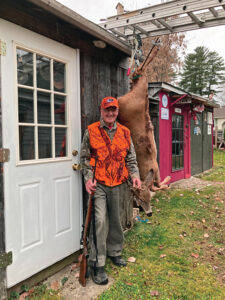
- Cut out unhealthy fats. Because of the way most of our cattle are raised and processed, beef is very fatty, and we’re encouraged to eat way too much of it. If you need to eat red meat, try to get the best-quality beef from a local source that produces grass-fed, grass-finished beef. Better yet, opt for bison or venison. Processed food is often full of unhealthy fats. Read the labels on everything to see which crops are supplying the fat.
- Cut out salt. I never cook with or add salt to my food. Many fresh vegetables contain salt naturally, and eating traditional food should give you enough salt. When I have no choice but to cook with canned or boxed products, I read labels and choose cans with lower salt content.
- Shop locally and in-season. Stay away from imported, expensive fruits, vegetables, and meat. The farther the produce traveled from its source, the more likely it was sprayed with chemicals in a vain attempt to keep it looking and tasting fresh. Visit local farmstands or grow your own. Purchase what’s currently growing in abundance. Can or freeze for later.
I get it: We live in a fast-paced world, and even our food follows suit, needing to be quick and made to go. Eating a traditional diet or living a traditional lifestyle isn’t easy and is no panacea. What traditional foods do offer is a chance for you to integrate into the food web, rather than being a cog in the Big Ag wheel. Philosophy aside, eating a traditional diet may just make you feel better.
Pemmican Recipe
Think of pemmican as the energy bar of Native people – only without all the junk. Nearly every Native culture had some form of pemmican, and its uses varied from ceremonial to daily snacking. Make this staple by binding together dried meat, such as buffalo jerky, and dried fruits, berries, and nuts with rendered fat.
- Make the jerky. It should be very dry and crumble easily.
- Dry the fruits and berries.
- Shred or pound the jerky and fruits to nearly a powder. Mix and add rendered fat.
- Pour into a deep pan or mold to set.
- Enjoy. Wrap individual bars or cakes to take with you when traveling.
Make Acorn Flour
Unlike other nuts, acorns can’t be eaten off the tree. Tannins in acorns are poisonous (and I’ve gotten sick from them). To enjoy their nutritious flour, prepare acorns properly using the method shared here.
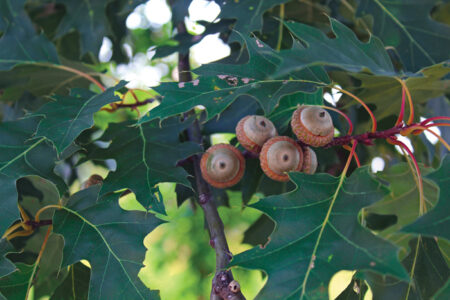
- Collect acorns – as many pounds as you can gather – and shell them.
- Soak the acorns in cold water. Soaking will leach out the tannins. When the water turns brown, dump it out and start again. Prepare for a long process that you’ll repeat until the water runs clear.
- Dry the nuts. You have a few ways to do this: Spread them out on a cookie sheet and put it in the sun, put the cookie sheet in the oven at its lowest temperature, or use a dehydrator. Opt for the latter two methods unless you live in an extremely dry climate, or the acorns could start to rot before they dry out.
- Process the dried nuts into flour. You can use a mortar and pestle, a rolling pin, a food processor, or even a hammer.
- Use the flour in baking or as a thickening agent in soups and stews. You can replace processed white flour with acorn flour.
Dana’s Clam Cakes
My people, the Abenaki, are people of the East Coast, and we harvest food from the ocean. Here’s my adaptation of a traditional Abenaki and Wampanoag seafood dish.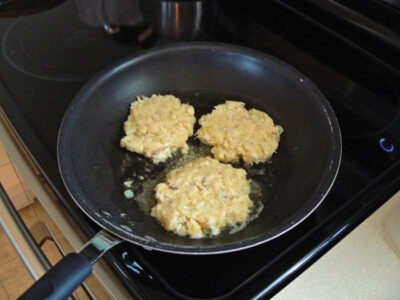
- 1-1/2cups flour
- 2 teaspoons baking powder
- 2 eggs
- 1/4 cup milk
- 2 cups minced clams
- 1/4 cup clam broth
- Mix the dry ingredients.
- In a separate bowl, beat the eggs in milk, and add clams. Combine this mixture with the flour mixture, folding in clam broth at the same time. Make sure the mixture isn’t too wet, but is basically the consistency of pancake batter.
- Cook in a hot pan, the same as you’d cook pancakes.
Dana Benner has written about the outdoors, sustainability, Indigenous practices and foodways, and the environment for 35 years. His writing appears in Mother Earth News, Grit, Countryside & Small Stock Journal, Backwoods Survival Guide, and others.
Originally published in the September/October 2025 issue of Grit magazine and regularly vetted for accuracy.