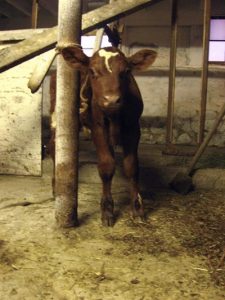
Harvest season. Never in my life have I understood the seasons like I have this year. Living by the seasons and working with nature and the divine design for animals, food, and life has never felt so real. We began the warm weather (mid-April in Wisconsin) with high hopes and zeal for a bunch of new projects and enterprises. By the time we hit Independence Day, we were in a low spot. Struggles with getting the dairy up and running, getting all the seeds and plants planted, building fences, chasing sheep, new calves, new milk cows, bringing in hay, family stresses, and long daylight hours combined to bring our spirits low and our zeal down to a minimum.
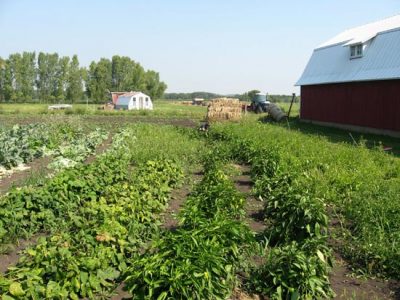
But August brought a certified dairy, the first bountiful fruits from our garden, and the promise of the end of summer. I know that sounds negative, but when you awaken every single day knowing that there are at least 16 hours full of work ahead of you and there’s no weekend to “get to,” those first cold days of September are something of legend.
Recalling Harvest Season Memories
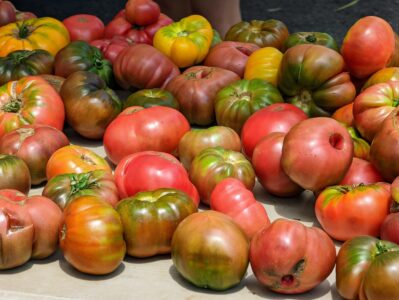
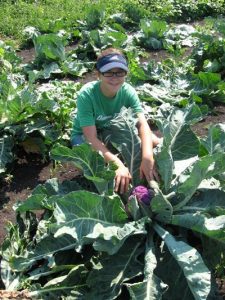
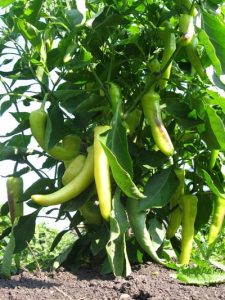
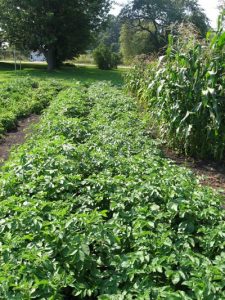
As we rounded out the end of summer months, I suddenly realized that my summer had, indeed, ended. Now, the days were still warm and balmy, but it struck me one day as I traversed our back garden: the mid-day sun was hitting me at an extreme angle and my shadow extended noticeably to the north. I glanced up and saw that our sugar maple had nearly emptied itself of those magnificent red leaves, while the elms were hinting at gold. The lush grasses were a dull shade of green and all around me were tans, golds and browns. The tomatoes were in full swing and so were the peppers, cauliflower, snap beans and herbs. Our apple trees had begun dropping loads of fruit and even our Miracle Pear tree (it’s a wonderful story, please ask us about it) had a few green fruits to be proud of. I was struck with surprise and a tinge of sadness to see it gone so soon. Yet …
We had entered harvest season. Harvest season is like a separate part of the end of summer and beginning of autumn. It transcends calendar dates and simply crashes into the shoreline, one crop after another, until a few sparkling frosty mornings call the tide to a halt.
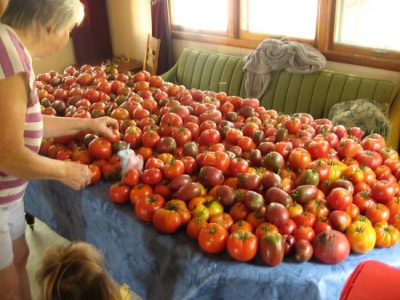
At the beginning, I was so rarin’ to go that I collected all I could and stressed about any single bean left on the bush or any hidden tomato under the foliage. I pushed Bret and Cortnie, our young farm helpers, to get back out there and look for more. We’d collect and pile and stack and bag everything that looked ripe.
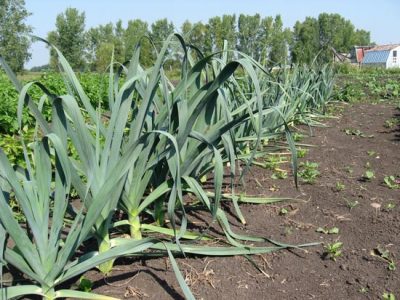
Then, we’d share the bounty. Once we had what we needed for each family, we had to step back and see the enormity of the task at hand. How to take all this fresh, organic and beautiful blessing of food and keep it until we needed it this winter? So began our legendary days of canning.
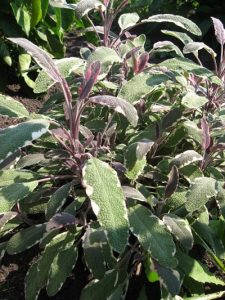
First, we made catsup. Our favorite condiment and one so old-fashioned tasty that we had to share the recipe with our friends. Next we moved on to stewed tomatoes. Such diverse applications in the kitchen and one of the easiest ways to keep those ‘maters around. We made a lot of stewed tomatoes. A lot. I mean, a lot.
Adventures in Lacto-Fermentation
Then we had a peck of perfect peppers to deal with. Ok, maybe like 15 pecks! I froze a bunch of them, but you can only use so much thawed pepper over the course of a year, so we turned to our star-player: Lacto-fermented salsa! Thanks to Sally Fallon of the Weston A. Price Foundation and her cookbook Nourishing Traditions, we have a whole host of alternate preserving techniques at our fingertips. The beauty of this recipe is that you use tomatoes, peppers, salt, garlic, onions and cilantro, like any other salsa recipe.
But then you get a little crazy. Instead of cooking everything to a boil, you cut it all up and mix it in a large bowl (In our case, due to the large amount of ingredients, we mixed in two 5 gallon buckets)! Then, instead of taking your mason jar and pressure cooking it for up to 40 minutes, you add sea salt, whey (the actual by-product of making cheese curds, not the powder power-lifter stuff) and close the mixture in.
You let the food do the work. Over the next two-three days, the good bacteria and the Lactobacilli found in the whey work together to eliminate all the bad, spoilage-producing bacteria. Then, the food begins to ferment. This is always a good thing. Fermentation is a documented age-old way of preserving food. This is a thousands of years old way to keep food around, and since the invention of refrigeration and even heat canning, we have lost this amazing art.
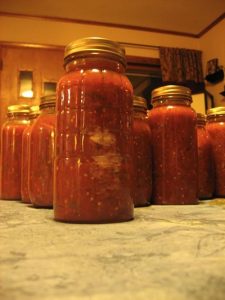
Andy and I are just learning. After a few days of fermenting, the salsa is ready to eat. I trusted this recipe enough to take our first mason jar of it to a bridal shower and serve it as one of the treats. It went over great and people had to ask, what gives it this great color and flavor? Having never been cooked, the salsa looks just as fresh as the day we harvested it. And indeed, the fermentation causes the mixture to be even healthier than it was as a raw veggie. It’s pretty sweet. But be warned, when opening anything lacto-fermented for the first time, realize that the contents are under a lot of pressure. Both Andy and I had to rush to the sink as the salsa came fizzing and sputtering out like a Coke that just took a turn on the Tilt-a-Whirl.
Yes, the fermented salsa comes out carbonated! But it’s a natural fizziness, not from carbonated water and is the reason our soda beverages are carbonated in the first place. Did you know that original “soft drinks” were made from lacto-fermented ingredients? The original recipes for root beer, haymaker’s tea, sassafras beer and others are also found in Nourishing Traditions. These ancient sodas were actually really good for you and restored a lot of lost nutrients and enzymes. But, I digress.
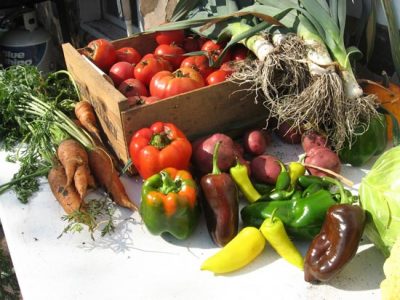
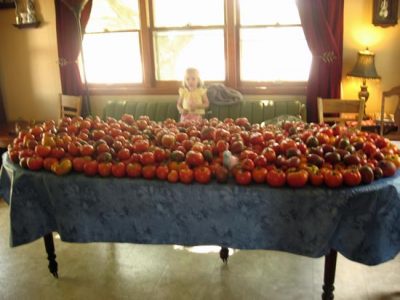
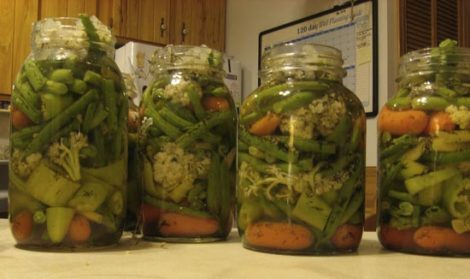
We made 43 quarts of salsa and cleared out our harvest table of the tomatoes and peppers, only to go picking more the next day. We moved on to tomato soup, chili, red sauce and gardeniera (basically pickled veggies, see below just before heading into the canner).
Freezing Corn, Beans, and More
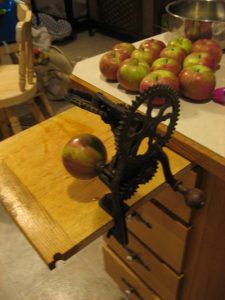
We froze corn, beans, cabbage, cauliflower and peppers. We ground up pears and apples and made Prapple Sauce. Our canning took place in the evenings, mostly after the little ones went to bed so that we both could devote time to putting the harvest up.
So began our late night canning sessions with Nora Jones crooning in the background, and the two of us enjoying a beer or a glass of milk and getting punchy late into the night. Then I hit upon rigging up the lappy as a sort of movie machine and we watched movies while we canned. We watched Hitch and a couple others before one night, when we knew it would be a long one, we popped in the first DVD of The Lord of the Rings. We have the Super Duper Special Extra Long, Director’s Cut Collector’s Edition which means each 3 hour movie turns into a 4 hour movie. In the course of two long nights, we finished the first two movies. We have been working on The Return of the King over the last week or so as our long canning nights have not been so long, or so frequent.
I must say, I thought I would begin to dread those long nights. When you have small children as we do, there is no such thing as sleeping in. They go down relatively early in the night, but they always arise at the same time: 5:30 or 6:30am. Nothing keeps them from that magical hour. So when you finally rest your tired body on your scrumptious bed at midnight-thirty, it is a bittersweet peace. You know darn well that you’ll be up in 5 short hours!
Canning Night Romance
And yet, I did not dread the long nights. In fact, as we fell into a preserving food routine, I began to look forward to it. A few nights into it, and I realized why: Andy and I, for the first time since Elly was born, were getting dates! Now, we’ve been out together here and there, but to know that you will be with your mate one on one for a lengthy period of time, enjoying one another’s presence and mutually bettering the family. Well, that’s priceless.
I will cherish our canning nights. We aren’t done, mind you. As I type, we are silently enduring another late night; Andy making chicken stock from our freshly butchered chickens, me creating this blog and looking forward to the last of the garden harvest the rest of the week. But in a few days, it will all be taken care of. Our lacto-fermented sauerkraut will be stored away, our chicken stock will be canned up, our herbs will be hanging to dry in the basement.
And then we turn inward. Our chores lessen and our home grows warmer. The temperatures plummet and our family time soars. Rain gives way to flakes. Dew turns into frost. Color fades into brown and grey.
And it will come to me, about a month from now, or maybe two. I’ll rush down to the cellar and grab a few items for dinner. It will already be dark, and the wind will be whipping outside. In the kitchen, however, the sweet smells of apple cider, slow-cooking roast, and mashed potatoes will greet my return. I’ll twist open the jar of Prapple sauce in my hand and all the loveliness of summer will again flow over me. The memories of late nights with my beloved, the hard days of harvest and the wonderful sense of accomplishment placing that single jar onto our cellar shelves had brought me will overwhelm me.
Rebekah Sell lives on a small plot of land with her husband, Andy, on which they are hoping to build a sustainable homestead. With a small business and four kids, life is always interesting as Becky and Andy live fully the idea that the journey is the reward. Find her on Google+.