What does sustainable mean to you? To some, it’s a constant work in progress; learn what does a sustainable lifestyle look like for one life learner.
The word “sustainable” is one that’s thrown around a great deal today for a variety of purposes. There are reports out there written by both state and federal agencies as well as nongovernment agencies that discuss sustainability. This term is used on Madison Avenue to sell “environmentally friendly” items that corporations want you to believe you need. Flip through the channels on your television, and you’ll find a slew of shows that discuss what sustainable living is all about. Outside of its trendy catch-all usage, the Merriam-Webster definition of sustainability points toward something that’s capable of being sustained, “a method of harvesting or using a resource so that the resource is not depleted or permanently damaged.” But if you ask 100 different people how to live sustainably, you’re likely to get 100 different answers. So, what does being sustainable really mean? More importantly, what does it mean to you?
I’ve spent a great deal of my adult life searching for the answer. I’ve discussed sustainability with farmers, scholars, scientists, and the average person trying to do the right thing. I’ve attended countless conferences and meetings and have read books. I’ve traveled to Alaska, Montana, Hawai’i, and the far northern reaches of New England to learn what I can from people who live their version of a sustainable lifestyle. One thing I’ve concluded is that there’s not one catch-all answer to what sustainable living is. Because of this, all I can write about is what living sustainably means to me, which may help you determine what it means to you.
What Does a Sustainable Lifestyle Look Like?
For me, being sustainable is a constant work in progress. It means being able to live comfortably, to provide a safe home for my family, to remain healthy, and to do it all without harming others or the world around me. It means learning to do things for myself through firsthand experience, educational resources, and my community. It also means not getting caught up in our society’s inherent commercialism and living by the motto “If it ain’t broke, don’t fix it” – why buy something new if the old one is still working fine? While I’ve done my best to live sustainably, I can always improve.
Be a Lifelong Learner
To me, sustainability means having a willingness to learn from others. A Pequot Elder once told me, “Nobody knows everything, but everyone knows something.” These are words I live by. Being sustainable means knowing your limitations, seeking help when needed, and being willing to help others when asked.
History is a good teacher to learn from. Looking back, we can see what was accomplished and the mistakes that were made, learn from them, and then apply those lessons to the present. How did people in the past handle floods, droughts, and economic collapse? How did they cope with crop failure, diseases, and pests? How did they keep their families alive and well from one season to the next?
History also shows us how corporate greed and “keeping up with the Joneses” have led us down a path of unsustainability. Instead of fixing things, we tend to throw them away and purchase anew. No matter how much we have, we always seem to want more, whether that’s a new car, a new cellphone, or more money. And that waste builds up – literally – in landfills and leads to resource deprivation. What would it look like if we shifted from a consumer mindset to one of reducing and reusing?
Live Off the Land
My definition of sustainability means growing as much of my own food as possible to support my family. Everyone can garden to some degree. If you don’t have a yard, you can grow crops, such as tomatoes, squash, cucumbers, and even potatoes, in containers. There are plenty of gardening resources out there. You can also consult gardeners in your community, who’ll probably be happy to share their knowledge.
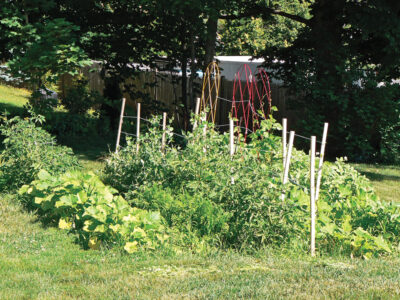
With gardening comes setbacks. My garden doesn’t always produce, so I have to adapt to what nature gives me. This past year brought weeks of heavy rain with no letup, which forced me to switch gears. Some crops, such as beans, did well, so I used that abundance to barter with my neighbors for food that didn’t do well for me, such as squash and cucumbers. With how our climate is changing, I also need to plan for growing seasons that may be out of the norm and then be ready to plant different crops depending on the conditions. Are you willing and able to adapt to support your household?
Steward Your Resources
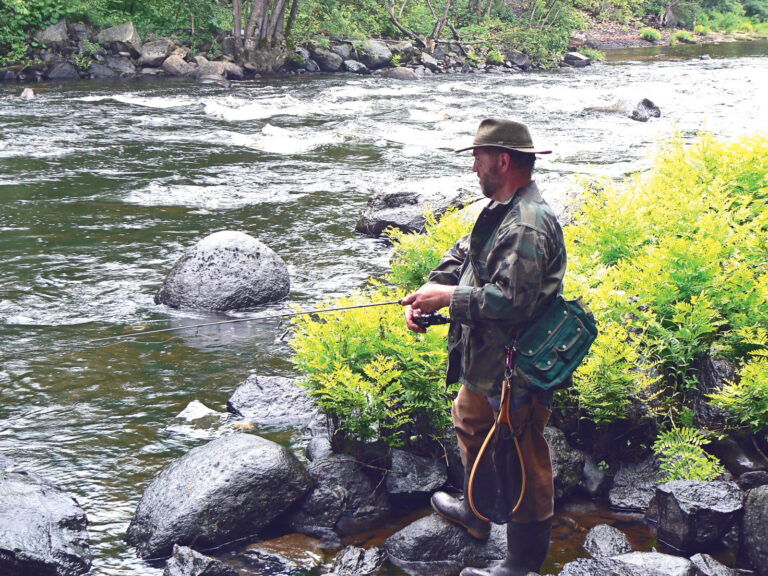
Sustainability means taking only what you need and nothing more. For me, it means growing as much of my own food as possible and saving the seeds for next year. It means hunting, fishing, and foraging to put food on the table. It means not wasting water or driving a huge multi-passenger SUV to the store for just a gallon of milk.
Conserve fuel by walking or riding a bike when heading out for that gallon of milk. If you need to use your vehicle, combine multiple errands into one trip. I have friends who live in a very rural section of Montana and drive to the closest town once a month to buy whatever food they can’t produce and whatever supplies they’ll need for projects.
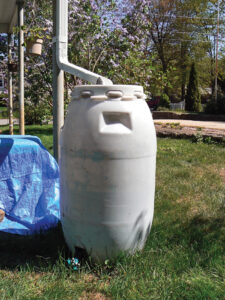
Conserve water by using wastewater from dish-washing, bathing, and washing clothes to water your garden (as long as no harsh chemicals were used in the water). If you don’t have a greywater-diversion setup, you can simply use bowls and buckets. To conserve electricity, use non-electric tools to do work around the home. I heat my home with a pellet stove to conserve oil, saving me money in the long run.
Use Technology with Thoughtfulness
Sustainability also means using available technology in a respectful way. Technology has given us ways to make our homes more energy-efficient, thus allowing us to save money and conserve energy. I’m looking into installing solar panels on my home to harness renewable energy and reduce my need for fossil-fuel-powered electricity.
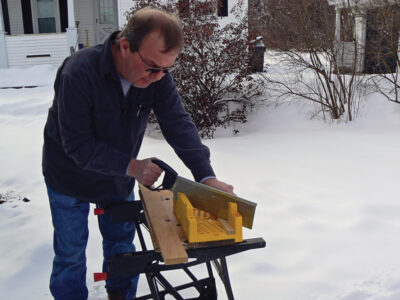
However, the use of technology doesn’t mean going out and purchasing the latest and greatest unless you actually need it. I only use my phone for emergency calls and rely on maps to plot my travels. Think about what essential pieces of technology you need, versus buying things without prioritization. And if something breaks, learn to fix it or do without it if it’s nonessential. Over the years, I’ve learned to fix washing machines and dryers, and I can do some light plumbing and electrical work, though I leave anything major to the professionals.
Here’s to the Journey
Few of us will ever be 100 percent sustainable, at least in the way I define it. Most of us still need to work to earn money to pay taxes and insurance and to obtain those things we can’t produce ourselves. But just because we can’t live it perfectly doesn’t mean we shouldn’t live it at all. We can lean into the journey of defining sustainability for ourselves and continually improve how we conserve our resources, preserve the environment, save money, and live well.
As you define what sustainability means to you, explore some of these resources to learn more about gardening, homesteading, self-sufficiency, energy-efficient appliances, and more. Energy Star, Environmental Working Group, Extension Master Gardener, Find your state’s extension office, and Mother Earth News.
Dana Benner has been writing about all aspects of the outdoors and sustainability for over 35 years, with his work appearing in regional and national publications.