In one of my previous posts I discussed the use of
Japanese iris for wet spots in your yard.
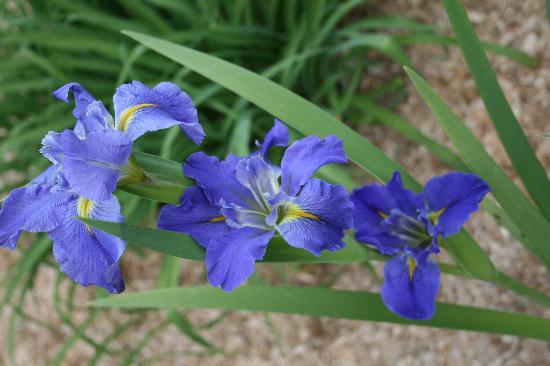
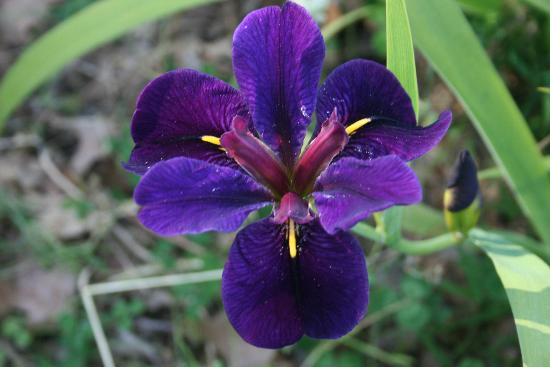
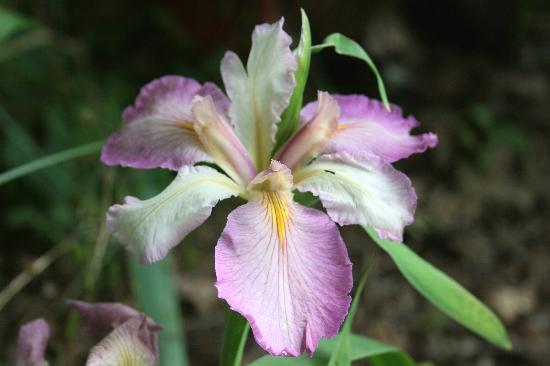
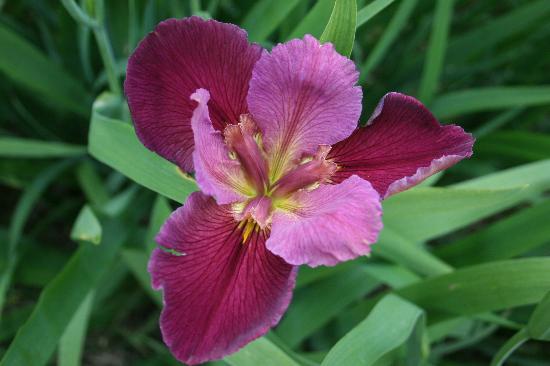
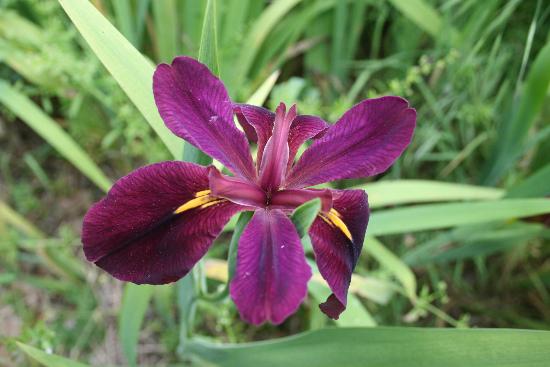
The Japanese iris can be difficult to grow if not watered well. Louisiana
irises also enjoy moisture, but are a little more forgiving of lack of moisture
than the Japanese iris. These beardless irises
are a great choice for bog and water gardens and can be grown in most areas of
the country.
For best blooms, plant about an inch deep in
half to full day of sun in slightly acidic soil without competition for moisture
with trees or plants with large root system. Fertilize with the same fertilizer
that you use on azaleas or alfalfa
pellets, or three month slow-release pellets or 15-15-15, in the early spring and again
after blooming in spring . Remove the bloom stalks after flowering and cut the
foliage down to just a few inches in early winter. Mulch well. This protects the iris from
drought as well as freezing temperatures. Addition of pine bark or pine needles will
help with acidity.
If you plan to use the iris in a water feature,
place the rhizome in an 18″ diameter pot. The depth of the pot in the
water should be at least 8″ inches with the rhizome planted about two
inches from the surface of the soil.
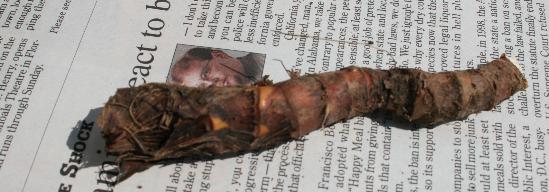
Rhizomes can be divided, ideally in the fall
which is right now. It’s not nice to dig and relocate right after
blooming, but if it is necessary, keep the transplants moist. In digging the irises, it is an easy matter
to break off the new plants. Since offsets form in the winter or early
spring, fall division allows the new plants to grow to sufficient size before
being separated from the mother rhizome.
The mother rhizome won’t bloom again, so you want to dig or buy one that
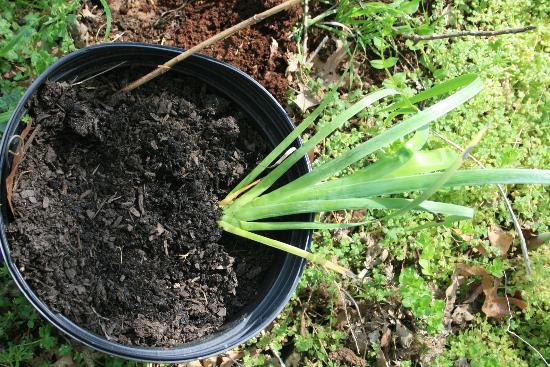
has offsets or baby plants growing from it. An offset is those little bumps
that appear on the side of the rhizome or that long bulb thingy that the leaves
grow out from. These new baby plants
will bear your new blooms next year.
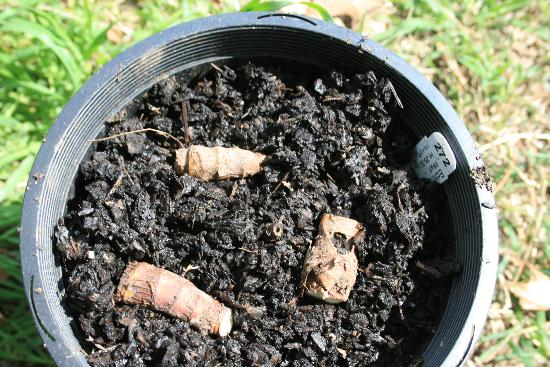
You can take the old tired mother rhizome and
make it form new baby plants by cutting Momma into two or three inch sections. Place it in a mixture of sand and vermiculite,
or sand and peat, or potting soil. Cover the rhizome section with a
quarter inch of the planting mix and keep moist. It is helpful to have
treated the rhizome cuttings by immersing them for about ten minutes in water
and ten percent bleach to prevent any fungus that might cause the cuttings to
rot. The baby offsets will form along
the cut edges of the Momma plant. When
the baby plants get to be five or six inches long and have good roots, plant Mother
and the babies in a sunny moist area.
On the home front, it’s been a stressful week
and I feel I’m lucky to be alive right now. I was attacked by a swarm of yellow
jackets. I’ll be writing about my
experience later. Right now I’m trying
to figure out how to get rid of them in my compost heap. With the 100 degree temperatures gone, my daylilies are in a rebloom. I even have an apple tree in bloom. If you would like to see some of my September blooms, please check out my gardening blog. The hummingbirds seemed to have migrated early this year. I had a lot at my feeders July and August with the hot temperatures cooking flowers. Normally the middle of September the migration comes through, but I’m only seeing a few at the feeders. The temperatures are going to dip this
weekend, with a light frost possible. My
home and garden is in a low spot below a mountain and we’ll get a killing frost
if the temperatures drop below 39 or 40 degrees.