
Soil health determines plant health. Learn how to prevent root rot disease and maintain a healthy garden by adjusting soil nutrients.
Let’s face it. When visualizing the installation of a new vegetable or flower bed, our mind’s eye usually focuses on the essence of gardening: tasty veggies or fancy flowers. Everything in between is a lot of work – and sweat too!
The lovely outcome of that labor, however, hinges on a not-so-glamorous element: soil. That’s right; the bounty relies on the substrate – dare I say “dirt” – that supports and nourishes green plants. Depending on the specific location and geography, there are many types of soil. In the eastern United States, for instance, soils tend to be loamy, nutrient-rich, neutral or slightly acidic, and moderately moist. By contrast, soils in the West tend toward sandy, rocky, dry, nutrient-poor, and alkaline. In the Midwest, moderately moist, dark, loamy, and fertile soils dominate. In the Deep South, where I live, my terra firma is usually pH-neutral, clay-heavy, and overly moist because of poor drainage and high annual precipitation.
Understandably, multigenerational career farmers, whose livelihoods depend on crop bounty, consider soil health gospel. But cottage gardeners often fail to understand this nexus between soil and plant health. Consequently, our results often fall short of our expectations.
Case in point: My residence for the past five decades has been in an upscale neighborhood in Baton Rouge, Louisiana. Whereas all my neighbors have invested some time and money into beautifying their landscapes – primarily with perennial shrubs, such as azaleas – no one has become a vigilant caretaker. Simply put, my neighbors’ gardens gradually morphed into unsightly, nondescript greenery.
Audio Article
In 1995, I became concerned with the plight of our pollinator species, such as bees, butterflies, birds, and bats. And so, I decided to install an extensive pollinator-friendly garden. First, I cordoned off my entire front yard (no lawn for me!) into five distinct flower beds to lure a diversity of pollinators – and to create an enclave of beauty for my neighborhood. My nascent beds covered 1,522 square feet and were bordered by old railroad ties. Because my native soil consisted of fine-grained, impervious clay, I amended with sand and organic materials to improve drainage and fertility. Completed, my beds topped out at 12 to 14 inches above ground level.
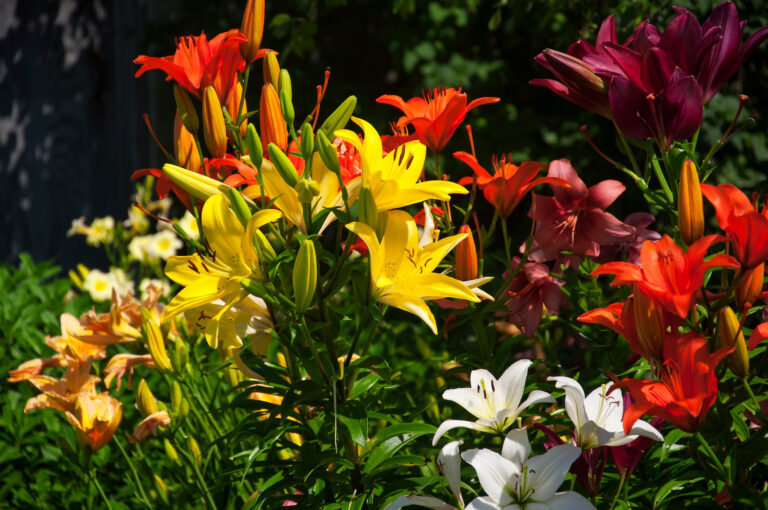
Because I live in Zone 9a and in a venue that’s drenched with 60-plus inches of rain each year, two sets of annuals – winter-spring and summer-fall – are favored. But for year-round foundation plantings, I selected the following perennials: daylily, lantanas (tall and dwarf), lily of the Nile, milkweeds (native and tropical), spiderwort (‘Purple Heart’), Turk’s cap mallow, and dozens of spring-flowering bulbs (daffodils, paper-white narcissus, snowdrops).
Conducive to the cool season, in November, I planted annuals, such as cabbage and kale (ornamental), columbine (yellow), foxglove, larkspur, pansy, petunia, pinks, poppies (California, opium), and snapdragon. When these shut down because of the heat and humidity of mid-May, I discarded the plants, replacing them with heat-tolerant varieties, such as Angelonia, blanket flower, Coleus, marigold, Mexican sunflower, milkweed, salvia, tobacco (ornamental), and zinnias (tall and dwarf). This routine worked well for the next two-plus decades.
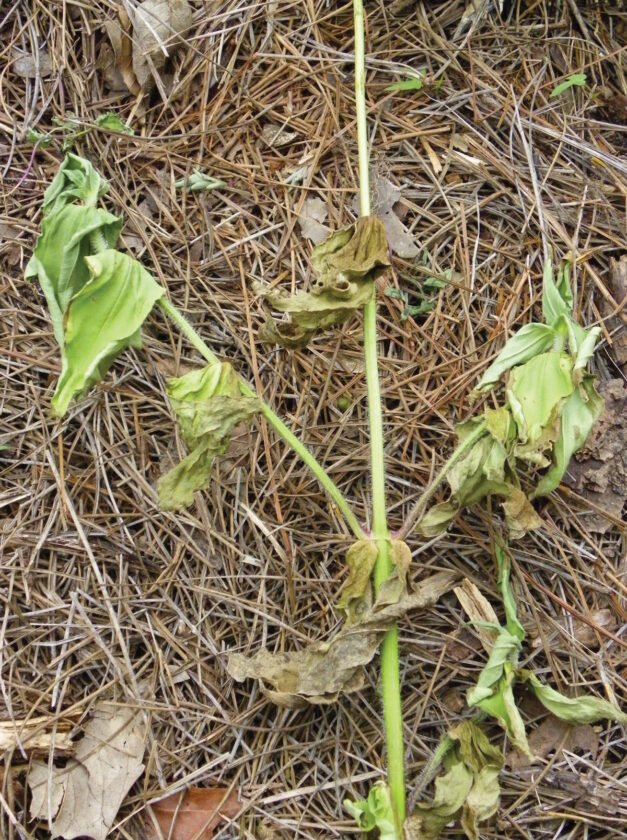
During the fall of 2020, however, things went amuck. The year’s warm-season beds were dominated by tall zinnias and ornamental tobacco for a massive display. In October, several plants began to droop – usually a telltale sign of dehydration. Strange, I thought. After all, the year’s rainfall was above average due to a record-breaking five tropical storms and hurricanes. Nevertheless, I watered. By morning, the plants had recovered. But during the day, the plants again wilted. Within only a week, a majority of the 300 or so target bedding plants that had begun attaining some height now exhibited similar symptoms.
A friend suggested, “Perhaps a soil problem?” I sent a soil sample to the Plant Diagnostic Center, a component of the Louisiana State University Agriculture Center. Diagnosis: Phytophthora, a funguslike microbe (see “Prevent Root Rot Disease,” below) responsible for a wilting disease that can infect many ornamental plants throughout much of the eastern and southern United States, was the cause.
Learning From Diagnosing
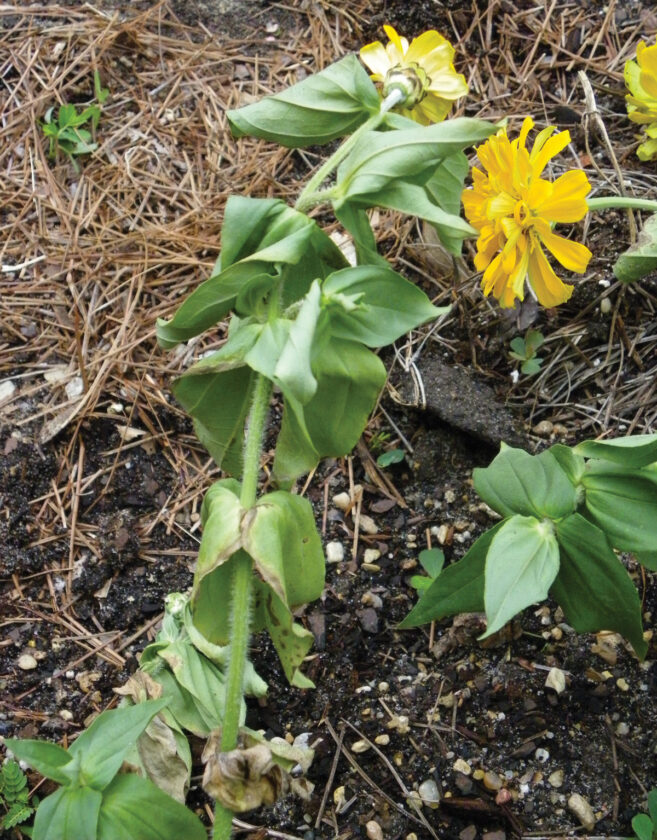
Reflecting on the diagnosis, I realized my folly. You see, for decades I had been assuming that the carefully formulated soil for my initial flower beds was maintaining its original consistency and fertility. Wrong! In hindsight, my maintenance practices were far from ideal. First, I hadn’t routinely tilled the beds to aerate, because I’d feared disturbing the underground ephemeral spring-flowering bulbs. Second, I’d failed to infuse my soil with any substantial new organic matter. And finally, I had trampled over the soil an untold number of times to gain access to weeds and to replant. These activities, season after season, had caused my soil to gradually compact and flatten. The result? A soil medium that was severely unaerated, waterlogged, and nutrient-poor. Put simply, I had created a veritable petri dish for opportunistic pathogens.
How to Cure Root Rot in Soil
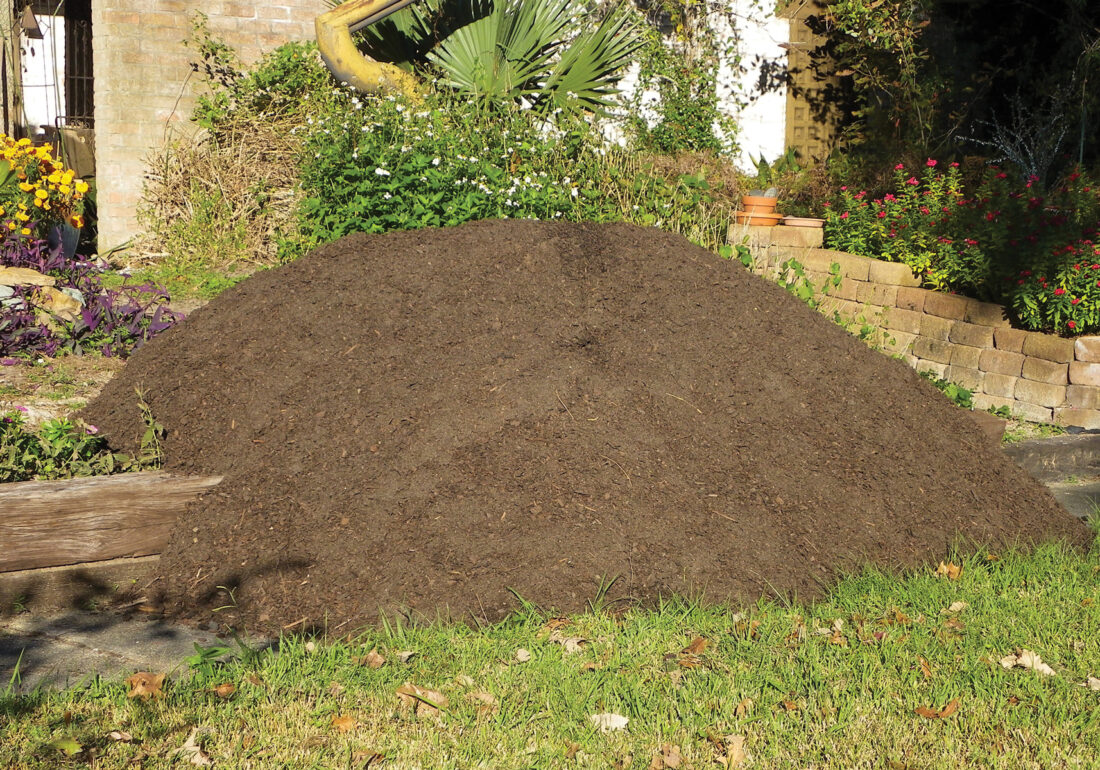
Following the suggestions accompanying this diagnosis, I sprang into action. I began by removing all infected plants (90 percent of the total growth). I then purchased in bulk 44 cubic yards of a high-quality commercial garden soil mix. To this, I added more than 100 bags and buckets of inorganics, such as masonry sand, river silt, and pea gravel secured from construction sites – with permission, of course. (My thought was that the differences in particle size would create a texture that would best circumvent compacting.) Final amendments included dozens of bags of commercially marketed organic enrichments: composted cow and chicken manure, tailings from mushroom farms, and a small amount of peat. I blended everything by hand into the existing soil so the final product had the consistency of granular sugar, and I raised the soil 16 to 18 inches above its surroundings. By Thanksgiving, I had replanted with young, healthy winter-tolerant annuals.
The Payoff
In spring 2021, I witnessed the payoff. My beds in both spring and summer provided a kaleidoscope of unprecedented color for all to enjoy – and a diversity of pollinators. My experience was also instructional. I now can profess to future gardeners – whether veteran or novice – that the key to a healthy garden is twofold (and these steps are not to be taken lightly). First, amend your native substrate with elements known to accommodate tender bedding plants.
Second, periodically refurbish the beds. Specifically, this revamping must be scheduled and include re-aerating (either by mechanical tiller or, my favorite, hand-troweling) to avoid compaction; and restoring the beds’ decomposing organic compost as both a direct soil additive and as a mulch to retain moisture and to repel invasive weeds. Understandably, fine-tuning and maintenance should be adjusted according to your location. But the cardinal rule for healthy beds is always: soil, soil, soil!
Prevent Root Rot Disease
Phytophthora is commonly referred to as “Root Rot Disease” and “Crown Rot Disease.” This plant pathogen consists of a group of fungus-like organisms classified as “water molds” because they require moist conditions to thrive. Such microbes are capable of infecting a wide range of trees, shrubs, and bedding plants. The disease is favored, of course, by poor drainage and compacted soils. Phytophthora is soilborne and can stay in infected soils for several years. Once infected, a plant can’t be cured. According to the North Carolina Cooperative Extension Service, management recommendations include:
- Remove and discard infected plants and, if possible, contaminated soil.
- Improve soil drainage and reduce soil compaction.
- Water early in the morning, and avoid over-irrigation.
- Avoid excessive mulching, and don’t plant too deep.
- Avoid over-fertilization with chemical fertilizers.
- Select plant species that are known to be tolerant or resistant to the disease.
A retired professor of entomology and an award-winning nature writer, Gary Noel Ross enjoys exploring Louisiana swamps and marshes to research and photograph unusual aspects of nature.