Learn how to build a brand with help from our farm brand ideas for small businesses to take your farm business to the next level.
Branding is the process of naming and creating a visual identity for your business. When you have a farm, homestead, or other agricultural business, branding is an opportunity to set yourself apart from other farms in your region or industry and build a lasting legacy for your family. In ancient times, merchants marked their symbols on wares and painted them on marketplace walls. Today, creating a memorable brand is as important as ever, and having an easily recognizable brand can make a big impact on how much staying power you have in the minds of current and potential customers.
Farm Brand Ideas Small Businesses
If you’re carrying on your family’s legacy on a centennial farm, you’ve likely already got a name for it. If you’re working with a newly established endeavor, it can feel like a bit more of a quest to find the perfect name. The best way to figure out your farm or business name is to get a big piece of paper and write out some of the core details about your operation to create a road map for your brand. This is helpful to do as a team activity with anyone significantly involved in your operation. Sit down at a table and answer the following:
- Who owns or runs the farm?
- What are your products?
- Where are you located?
- What is your mission?
- What is the history or story behind your farm?
- Who is your target market (e.g., families, restaurants, organic food lovers)?
- Do you have any certifications (e.g., organic, animal welfare)?
- Describe the atmosphere or experience you want to create for visitors at your farm.
Once you’ve answered these questions, you’ll see the mood and feeling of your brand forming in your notes. Now, make a list of all the keywords that pop into your head as you look through these notes. For example, when we named The Mushroom Conservatory, some of the words in our list included “fungi,” “education,” and “greenhouse.” Play with combinations and variations of your keywords, and you’ll start getting ideas for actual names for your farm. Sometimes, you have to come up with a few throwaway ideas before you get to the golden ones, so don’t be afraid to start writing down possibilities, even if they feel silly at first. You’ll feel it when you start getting to the good ideas.
When you find a farm business name that you love, try it on for a few days – write it down, type it out, say it conversationally. If you still love it after a day or so, run it by a few honest friends or family members to get a gauge on how others perceive it. You’ll also want to do a search engine and social media search to make sure nobody is operating under the same name. Check your state’s business registration databases as well.
Once you’re satisfied with your business name and you’ve confirmed it’s not in use by anyone else, register your business with the state. This paperwork will vary from state to state, but generally there’s a small filing fee, and it’ll take anywhere between a few weeks and a few months from filing to final approval.
Designing the Logo
I’ve seen many farm businesses through the years that either have no logo at all or have several different logos for the same business. Having no logo makes it easy for your business to be forgotten and muddled in with any other similar businesses; having a bunch of different logos is confusing and comes off as makeshift and unsettled. Take the time to develop one logo that you love and can see using for a long time.
Logo design is an art form. If it’s in the budget, hiring a freelance designer with a portfolio that fits your vibe is the way to go. If you’re fortunate enough to have design skills, you could create your own logo, and if you’d like to do your own logo but you’re still learning about design, many apps, such as Canva, can help you along the way.
If you take this route, make sure you’re editing your chosen logo template enough to make it your own. I’ve been at farmers markets where several vendors had nearly identical logos; they only changed the business name on a template without adjusting anything else. Templates exist to guide you in the right direction, but exploring font possibilities and different icons can go a long way. Take the time to make it yours.
When you’ve narrowed down your final logo, have it ready to use in a few formats: JPEG, PNG with a transparent background, and EPS will all likely be needed as you print various things and post all of your farm-related goodness on social media. Make a dedicated folder on your computer for your logo files so they’re easy to access; I like to email them to myself as well so I can access them easily even if I’m traveling.
Business Cards
As soon as you have your logo nailed down, it’s time to order business cards. You can always get blank business cards and print them yourself, work with a local print shop, or use an online service. On the cards, include your email address, phone number, and if you’re open to the public, your address. I like to put a list of products and services on the back. Never leave the house without your business cards; it’s amazing where you’ll wind up connecting with people who’ll become your greatest customers.
Packaging
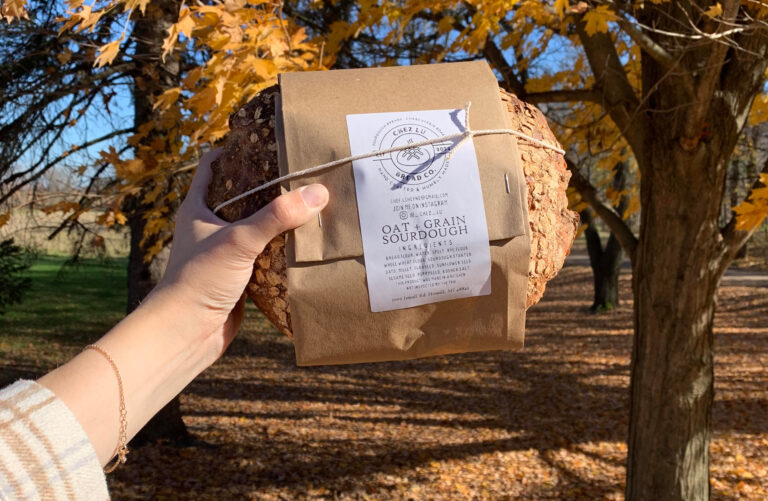
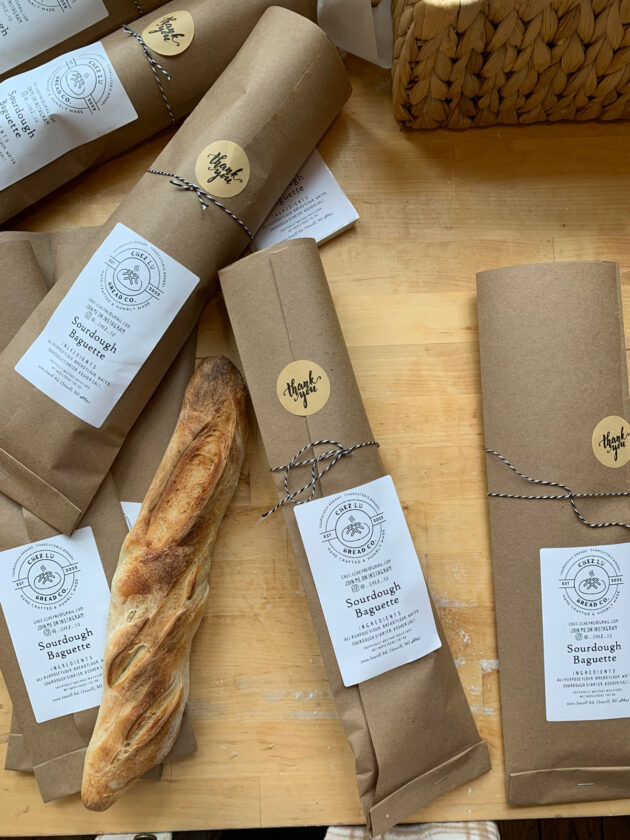
For farm businesses in particular, finding beautiful, economical ways to package your wares can make a huge impact on your profit margins.
On one hand, you’ll want the most polished, cohesive look that fits your brand personality. It should jump off shelves and inspire people to buy your products as gifts for their friends too. On the other hand, packaging and custom printing can add up quickly, and spending several dollars per egg carton, box, or bag can drive your profit margins down to a pittance.
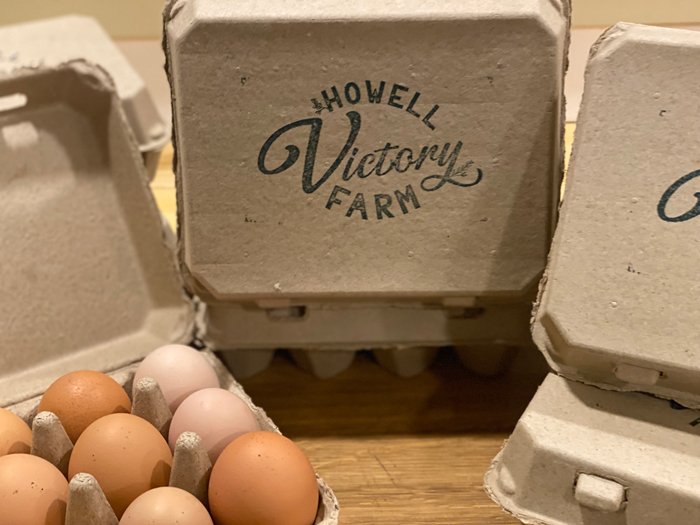
I’m going to use egg cartons as our example, because they’re one of the most universally needed pieces of packaging on a farm, and most of the techniques I’ll talk about here cross over from egg cartons to many other forms of packaging.
Often, people will start out using egg cartons they’ve saved and gathered from friends. At a bare minimum, create a sticker with your farm name, logo, Instagram link, and contact info to put on these recycled egg cartons. It’s an inexpensive way to stay connected with your customers and keep building your customer base. When you’re ready to move to something more polished, your best option is to buy blank egg cartons in bulk and get creative with customizing them.
There are a few good companies that sell egg cartons. I absolutely love The Egg Carton Store. It has quality blank cartons at a reasonable rate, and when you’re ready to level up to custom-printed egg cartons, the company will be able to walk you through the whole process and make sure you get what you need to package your eggs beautifully and meet any labeling requirements.
Putting Your Brand on Blank Packaging
Rubber Stamps
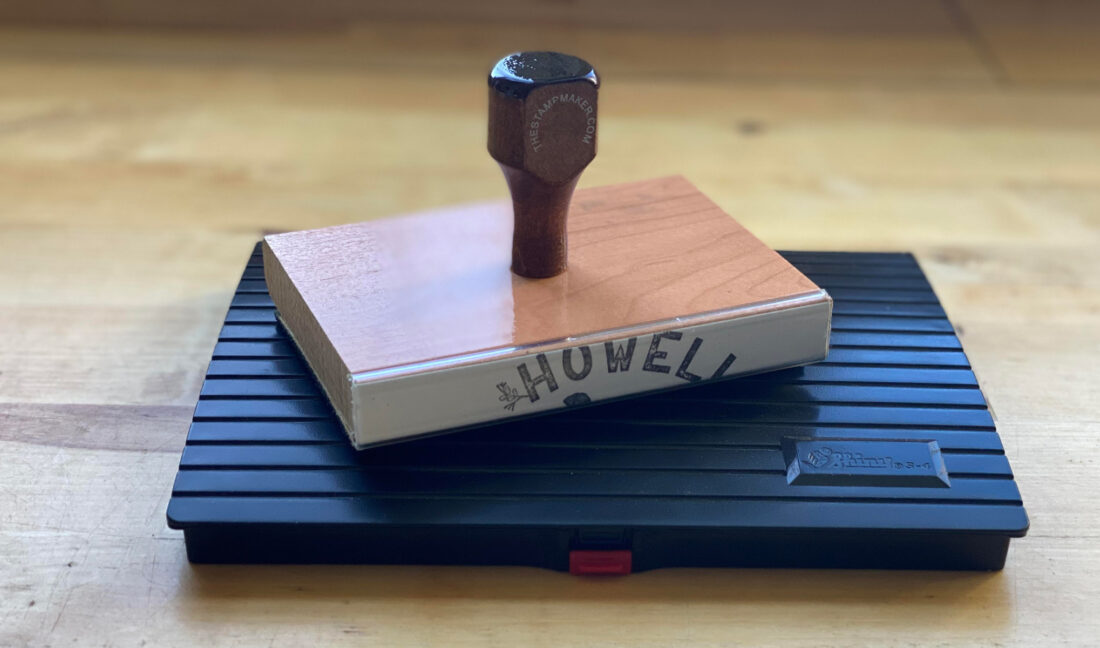
My folks own Howell Victory Farm, and when we created their logo, we had a rubber stamp made of it that was just the right size for the tops of their egg cartons. I have a similar stamp that we originally had done for The Mushroom Conservatory to label our mushroom-growing kit boxes before we switched to thermal labels, and we still use the stamps on gift bags. We got our stamps made by a company here in Michigan, The Stamp Maker.
Thermal Labels
A few months into starting The Mushroom Conservatory, I tried printing one of our product labels on our thermal shipping label printer, and I was amazed at the results! You can’t print detailed shading or colors, but anything that has solid lettering or black-and-white linework prints well on it. So, we started using the thermal printer to print all of our packaging labels, which has saved us a fortune over time. Thermal labels are available in a wide variety of sizes and shapes, and sometimes even in colors. You can get them with different types of adhesive depending on whether your product will be stored in cold or damp conditions.
I’ve used different-sized thermal labels with text and vector artwork on pillow boxes, paper bags, takeout containers, churro bags, coffee sleeves, notebooks, and about a million other things. Thermal label printers are an easy way to make your mark on your packaging without breaking the bank.
Custom-Printed Packaging
Usually, having custom egg cartons or other packaging printed doesn’t get to a reasonable price until you’re able to have hundreds or even thousands printed at once. But there’s also a point when you’ll no longer have time to label a ton of cartons or boxes every week, and at that point, you’ll need to decide if it would make more sense to have them custom-printed.
There’s so much that you can do with custom-printed packaging. There’s space to print the story of your farm and a list of your other products on the underside of the lid, and you can extol the virtues of your eggs around the outside of the carton. (Free-range! Antibiotic-free! Full of sunshine!)
Branding your farm business can take a little time, but it’s rewarding and can help you take your presence and profit to the next level.
Erin Hamilton is the founder of The Mushroom Conservatory, nestled in the rural heart of Howell, Michigan, where she resides with her husband and creative co-pilot, Elijah, and their lively brood of children. Keep up with Erin’s latest projects, ideas, and collaborations at The Adventures Of Erin.