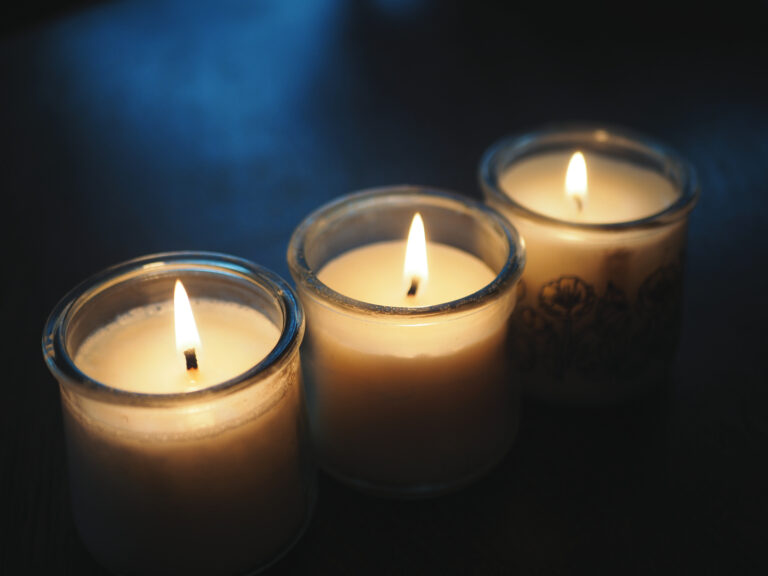
Learn how to make beef tallow candles and how tallow has a wide range of properties that make it an excellent candle ingredient.
An essential part of every sustainable lifestyle is avoiding waste. After harvesting an animal or buying a share from a farmer, the rule matters even more. The myriad uses for animal fat may not immediately come to mind, but there are plenty of ways to make use of this excellent byproduct.
Tallow is rendered cow fat with a wide range of properties that make it an excellent ingredient in pie crusts, biscuits, and cookies, or even a delicious oil for french fries or roasted vegetables. However, for those of us who already have plenty of cooking fats in the kitchen, tallow can be used to make clean-burning candles.
Why Choose Tallow?
According to the American Association for Cancer Research, burning synthetic candles in an enclosed indoor environment can increase the risk for certain cancers. While they burn, synthetic candles emit a range of compounds that can harm human health, including volatile organic compounds, particulate matter, and polycyclic aromatic hydrocarbons. All three are linked to irritation, damage to the central nervous system, and cancer. While it’s true that the dose makes the poison, there’s little reason to risk using synthetic candles to add a cozy glow around your house when there are plenty of excellent alternatives.
One popular alternative to synthetic candles is beeswax. While beeswax creates delightful candles, it can be hard to find a local, affordable source if you aren’t keeping your own bees. Beeswax tends to retain its own warm, honey-like scent and requires a lot of essential oils to change it. However, beeswax can be an excellent addition to tallow candles, increasing their hardness and longevity.
Soy wax is another popular alternative to synthetic wax. Made from hydrogenated soybean oil, it’s a natural wax source. Soy is a preferred choice for candlemakers, as it doesn’t have its own scent and carries added scents well while burning. However, it isn’t possible to make at home without an expensive, dedicated laboratory, and it comes from a crop with a poor environmental record. While soy wax is an improvement over synthetic wax, it may not be the best option for those dedicated to repurposing waste and keeping consumption local.
Tallow candles use a product that might otherwise go to waste and often is readily available locally. You can source tallow from local farmers or collect it as a byproduct of your own home butchering. It’s typically found in big-box stores or online if you can’t find a local source.

Tallow candles have a rich history. They were the main source of indoor lighting for centuries because they were the most readily available fuel. They make great emergency lights and are a welcoming addition to any indoor space.
How to Render Tallow
Unless you’ve purchased tallow that’s already rendered, it’s an essential first step before you begin making your candles. Rendering tallow removes water and impurities from the fat and lets you store it longer without it going rancid.
The best way to render it is to cut all the beef fat (or deer, mutton, or pig fat) into smaller pieces, add it to a slow cooker with a bit of water and a few tablespoons of salt, and cook it. The amounts don’t have to be exact. Turn the slow cooker on to low. Once everything is melted, use an immersion blender to mix it all. Simmer a bit longer before removing the tallow from the heat.
Strain it into a heat-safe bowl to remove the larger chunks. Let it cool completely, then refrigerate or freeze for a couple of hours. At this point, you should be able to pop your cold tallow out of the bowl. The salt will have drawn out the impurities from the fat, and they’ll likely be resting at the bottom of the tallow with any residual water. Scrape the tallow clean, and you should be good to go. If you’d like even purer tallow, you can repeat the process.
Notes on Tallow Candles
Before we begin, I must warn you: Making tallow candles isn’t as easy as it seems. Sure, you could melt some tallow and pour it into a jar with a wick, but this is a surefire way to get mixed results. Tallow makes an especially thick wax that doesn’t behave like other waxes, which can leave the wick unable to keep up with the wax burn. It’s also much softer and has a lower melting point than most candle waxes, which can lead to drowned wicks. This combination is a recipe for candles that burn briefly before extinguishing themselves.
Adding beeswax to your tallow candles can mitigate some of these issues, increase burn time, and create a more effective candle. To prevent issues with burning, I use larger wicks than your jar size calls for. Keep the wicks trimmed to 1/4 inch to ensure they don’t burn as hot. I found success using hemp wicks, though the flame stayed fairly small throughout the candle’s burn.
In a test between a 100 percent tallow candle, a candle with 50 percent tallow and 50 percent beeswax, and a tallow candle with 15 percent beeswax, only the 50-50 was still burning after two hours. The pure tallow candle didn’t even make it to one hour, even with a large wick. Tallow-blend taper candles burn relatively quickly, and if they aren’t straight, they can drip profusely.
Don’t burn them near anything too valuable.
How to Make Tallow Candles
The hardest part about making candles is the cleanup. The rest is typically a breeze. You can add essential oils if you want, but if you’ve rendered the tallow properly, there shouldn’t be any residual beef smell. Have a double boiler on hand and gather your candle wicks before you begin. If your wicks aren’t pre-coated in wax, drop them in some wax or fat for a few minutes, then let them cool before crafting your candles.

- 1 part beef tallow
- 1 part beeswax
- 3 mL (60 drops) essential oil per total cup of wax (optional)
- Place the tallow and beeswax in a double boiler over medium-low heat. Stir occasionally until it melts completely.
- While the wax melts, prepare your candle containers. I like to reuse glass yogurt containers or old canning jars. Some wicks come with tabs you can stick to the bottoms of your jars. Keep your wicks centered with a tool created for the job or by wrapping them around a pencil and resting it across the top of your jar.
- If you’re making pillar or other mold candles, run the wicks through the candle molds. Cover the hole at the bottom where the wick exits the mold with tape or putty to prevent leaks.
- When the wax is completely melted, remove it from the heat. Add your essential oils if you’re using them, and stir to incorporate. If you’d like different scents in your containers, add the essential oils directly to the candle jars first. Pour the wax into your jars or molds and give them a stir to mix.
- Allow the wax to cool completely and set for at least 24 hours before burning.
- If you made taper candles or used other molds, pop them into the freezer for a couple of hours before attempting to remove them. Slow and steady removal will produce better results than going too fast.
- Burn your candles and enjoy!
 Making tallow candles is an easy way to use up a waste product at home. Another simple project is creating wax melts. If you follow similar steps as above and then melt down your rendered tallow, add essential oils, and pour it into silicone ice-cube trays, you can place them in a tea-light burner. If you keep running into problems with your tallow candles extinguishing themselves, placing them under a candle-warmer lamp is an excellent way to get the most use out of them.
Darby Cermak is a writer and editor for Grit and Mother Earth News who’s based in the Great Lakes region. She can be found restoring an old brick house with her husband, exploring the outdoors with her pup, and working on her own organic garden.
Originally published in the November/December 2026 issue of Grit magazine and regularly vetted for accuracy.