For me, gardening began as a child. During the summer, the majority of my days were spent at Grandma’s house. I was her gardening companion. Her gardening space was amazing. Everywhere you looked, something wonderful was growing – flowers, fruit trees, shrubs and fresh vegetables. Her home was a gardener’s paradise.
One of my least favorite chores at her house was taking the compost to the garden. She canned a lot of produce and kept a bucket of fruit and vegetable peelings under the sink. When the bucket was full, it was sent to the garden to be dumped into a compost bin. The bin smelled and attracted all types of bees. (I had a fear of being stung.) This chore turned into me running to the garden, sometimes falling, and compost going everywhere. I would often ask, “Why do we have to toss garbage in a box?” In a hurry, she would say it was good for the garden. Then one day she smiled and said, “Go get a shovel.” That was the day Grandma introduced me to direct composting.
Method to the madness
The method of direct compost is very simple: It’s a matter of taking food scraps to the garden, digging a hole, filling it with the food waste, and covering it back up. When Grandma introduced me to this method, I was stunned. Why had we not been doing this all along? It kept me away from the bin, and I got to play in the dirt. Because of my enthusiasm toward this alternative to the bin method, Grandma let me direct compost in her garden from that day forward.
The first step in direct composting is to understand which type of foods can be composted and a way to store them before they go out to the garden. I live in a warm climate, and this led me to choose a smaller canister with an airtight seal. This keeps odors locked inside and means frequent visits to the garden.

There is some variation to what gardeners believe can be composted. From my years of experience, the following has proven to be successful in every garden I’ve had the pleasure of establishing: fruit and vegetable scraps and peelings (raw or cooked), egg shells, coffee grounds, tea bags with tags removed, and poultry and fish bones.
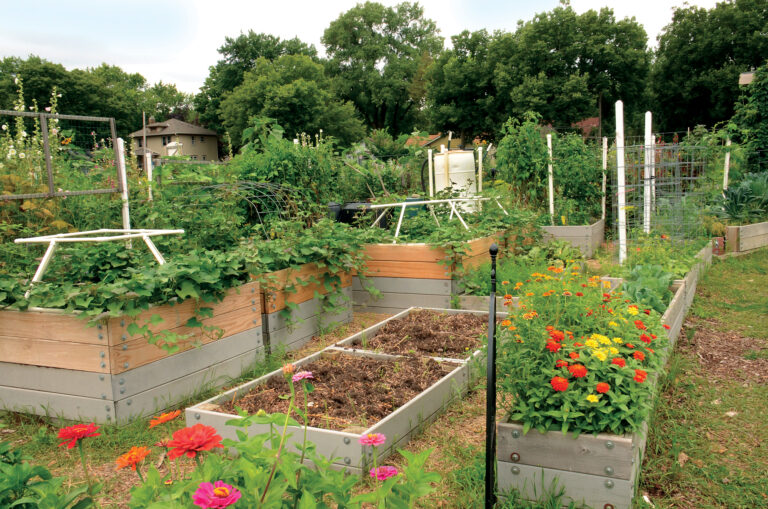
When the canister is full, you visit the garden with a shovel in hand. Where you bury the compost will depend on your garden setup. I like to start in one corner and slowly work my way around the entire garden. Because I currently use raised beds, this is a simple system.
If you have an open-ground garden, it’s best to direct compost from one end of your rows to the other in the off-season. During the growing season, use the same method in your walkways. I remember Grandma’s shovel sticking straight up from the last spot we had buried her scraps, and when we were done, it marked the new spot so we never forgot where we left off.
You can also direct compost in containers. This is a little tricky, and I recommend adding the compost while you’re creating the planter. You have fewer options with containers, as decomposition takes longer. Kitchen scraps like coffee grounds, tea bags, banana peels and egg shells are a few items that can be included prior to planting in containers.
Playing in the dirt
Once you’re in the garden and you’ve decided where to begin, take your shovel and dig a hole about a foot deep. For compost that takes longer to decompose, like poultry bones, dig a bit deeper. Bones take more time to decompose, sometimes years, but they add calcium to the soil.
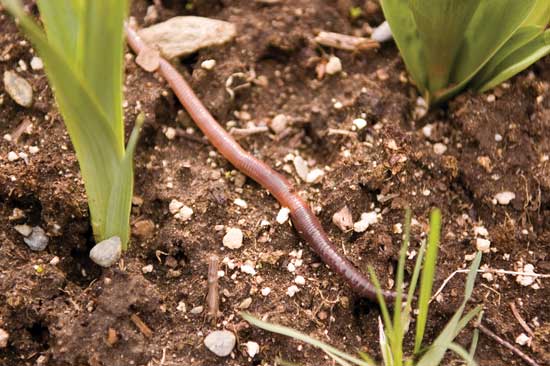
Once the hole is dug, add the compost and cover it up. I like to leave the shovel in the garden to mark my spot. It’s easy to forget where you left off in large spaces. Nature takes over immediately by welcoming the worms to work for you. How fast decomposition works will depend on the current worm activity in your garden. A good worm population can decompose compost within a week or two.
If your garden is newly established, it may take up to a month before you notice any real results. If this is the case, make sure you direct compost prior to a rainy day. Worms are most active during this time as they seek the surface. The compost will grab their attention, and meal time will begin passing through their system, turning it into compost. All of this activity also aerates and benefits the soil immediately. If you direct compost on a regular basis, you will experience continuous improvements in your soil. You will also start to see improvements in seed germination and plant growth, and you’ll notice increased yields.

A friend of mine implemented direct composting after reading about it on my blog. For years, she tried several methods of composting that included a range of bins. She built large boxes from wood pallets and filled them with yard clippings, garden refuse and kitchen scraps, but after the pile sat for awhile, it was difficult to turn. She built another box, hoping to create stages of composting, in which one was full and only needed turning, and the other she could keep adding to. This created two piles to manage instead of one, and it took up even more space.
She tried piling on top of the ground, which worked well, but didn’t produce nearly the amount of compost needed for her large garden, as the process was slower. At this point, she had pretty much given up on composting because she was spending so much time managing the compost without great results.
When she finally decided to try direct composting, it wasn’t long before the worms showed up. It was less than a month before she dug a hole to bury some compost and found worms. She also mentioned a definite improvement in the soil, saying it looked richer, and that the herbs in the area she began direct composting were healthier than before and took on a deeper shade of green.
New beginnings
If you’re currently expanding or starting a new garden, you can begin by putting this method into action when you create a raised bed. The first step is to get your frame established, and leave the base of the bed open to the ground. This will allow worms to come and go as they please. Because this is a raised bed, there is no need for digging yet. That is something you will do later, between growing seasons.
Begin by adding a thick layer of dirt to the base. The next step is to mix in natural matter, including leaves, grass clippings, or even soiled wood chips from a chicken coop. Look around the yard, and use what you have available.
Add another layer of dirt, and then follow that with a good layer of moist compost right from the kitchen. Close the bed with a thick layer of dirt, filling it until you almost reach the top of the bed. Let it sit for a couple of weeks prior to planting.
Once that time period has passed, plant in the bed by direct seeding or transplanting. With small raised beds, you’ll want to direct compost between planting seasons. With larger beds, I would recommend leaving space between the plants so you can continue to compost year-round.
The thing to remember is that direct composting isn’t a complicated system. Many times, gardeners try to complicate things, but if we allow nature to work for us, it can make our gardening experiences easier and more enjoyable. Direct composting is a win-win, in that it has all the benefits of traditional composting, but without the odors and insects.
I’ve never had a bin, and this makes me smile, because it takes me back to that summer afternoon in Grandma’s garden when she told me to get the shovel. By getting back to basics, I save time and energy. I have to say that Grandma knew best, and eventually, she got rid of that compost bin altogether.
Carole West lives on a small farm in North Texas with her husband and a variety of livestock, ranging from Jacob sheep to quail. She blogs at Garden Up Green, where she shares advice about gardening and poultry farming.