Learn what to take when evacuating your home and what to pack in an evacuation bag to ensure your family’s safety during an emergency.
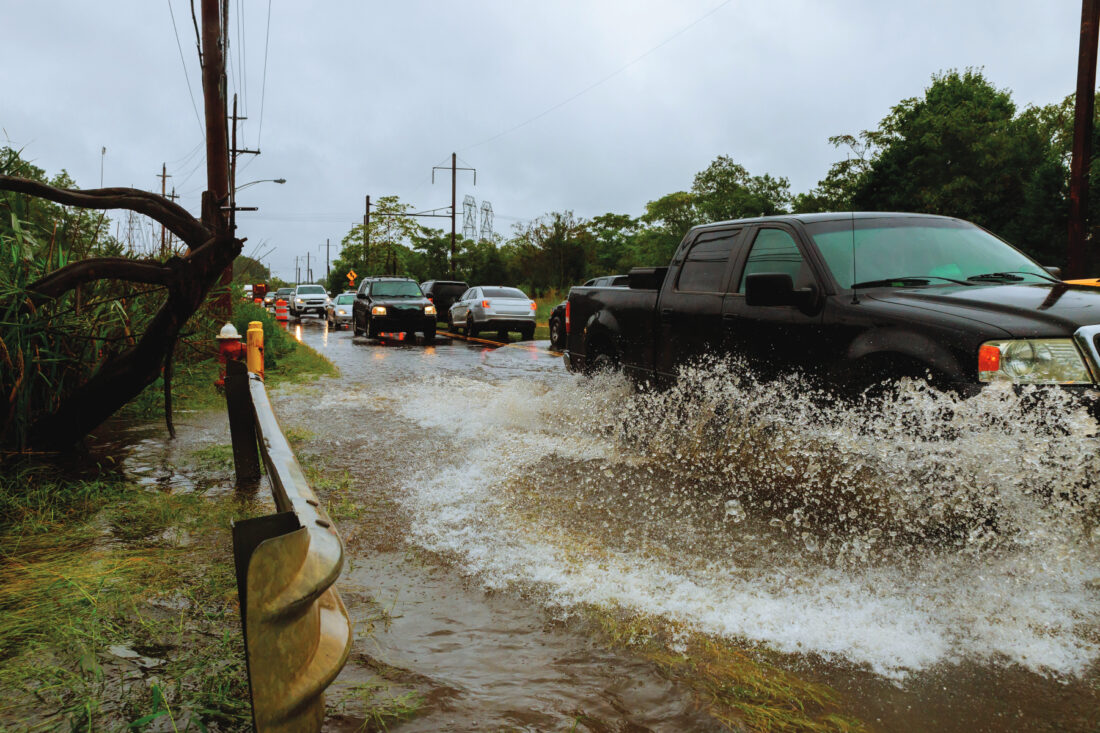
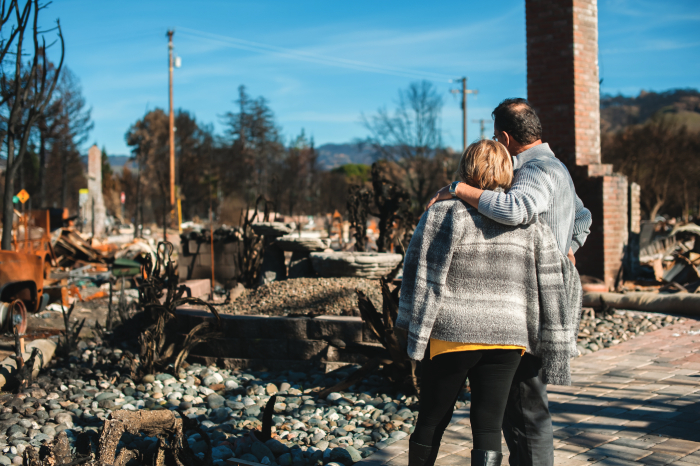
We live in a world where weather disasters are happening with increasing frequency. During a single month last winter, the Great Lakes region was buried under snow, the Northeast was hammered by severe cold, fires devastated California, violent coastal storms battered the Southeast, and record-setting winter storms swept through Texas and the Gulf Coast. These events forced people to flee their homes, sometimes with little warning, and prompted all of us to rethink our emergency-response strategies.
Part of any preparedness strategy is deciding whether you’ll shelter in place and ride out an extreme event or evacuate while you have the chance. Sometimes, that decision needs to be made with only a moment’s notice. Are you prepared to make it – and move your family, pets, and even livestock out – quickly? I urge you to consider a few things before you’re forced to decide on the fly.
Stay or Go?
The decision whether to stay or go is highly personal, up to each individual and their circumstances. No matter your situation, you must use your head. When a fire is rushing down a mountainside or floodwaters are rising around your home, it’s no time to play a hero. Both the “hero” and those tasked with rescuing them will be put at risk. If officials tell you to move, then move. Everything you want to protect, meaning those items that aren’t people, pets, or livestock, can be replaced.
Long before an extreme event happens, you should have a plan – and a backup plan. Discuss these plans with your family, and make sure they understand what to do when disaster strikes. An evacuation plan should minimally answer these questions: Do you have a safe place to go? Have you memorized how to get there? Is the location suitable for pets (and livestock)? After you’ve established the plan, agree to stick to it as much as possible.
Bug-Out Bags
I’ve come across hundreds of articles written about bug-out bags. Some are a bit over the top, but they all more or less orient around basic principles. First, every person in your family needs to have a bag packed and ready to go at all times (including one dedicated to pets). When preparing your bags, throw out all the “combat” talk. Take it from a former military person, you need to focus on items that’ll help you and your family stay alive, not fight zombies. Also, you aren’t packing for a camping trip – more like a days-long overnight hike. Limit gear to the essentials.
Here’s a list of items I maintain in our bags. Because I sometimes have my grandchildren with me, I’m including items children should carry.
What to Pack in an Evacuation Bag
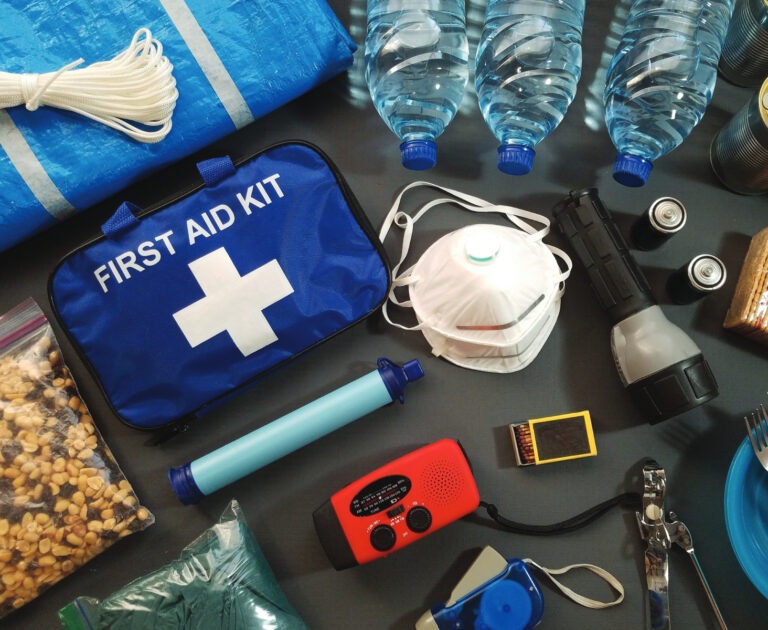
- Food and water. Only pack foods that are lightweight and have a long shelf life, staying away from cans and jars (they’re heavy and may bust). Protein bars, jerky and meat sticks, and dried fruit are all good choices. Water is vital. Jugs of water can keep for months if not stored in direct sunlight. Each adult should keep at least two 16-ounce bottles in their pack. Small children will need at least one bottle. Pack more than these amounts if possible; whether you’re heading for a shelter or another safe place, you have no idea what the availability of food and water will be like.
- Clothes. Keep at least one change of clothes in your pack, and update what’s in your pack based on season. I pack a sweatshirt even during warm months.
- Medical supplies. A good first-aid kit is more than a box of bandages. It should include over-the-counter pain medications, such as Tylenol or its generic equivalents, that are safe even for children; antihistamines, such as Benadryl, for reactions to insect bites and contact with toxic plants; and a supply of any prescription medications you take, such as heart medicine or insulin. Your kit can be homemade or it can be one of the good kits available from numerous medical companies. It’s not enough to have a first-aid kit; make sure all members of your party know how to use it.
- Copies of important paperwork. Pack copies of insurance documents, passports, driver’s licenses, IDs for your children, and shot records for everyone, including your pets. Place all documents in a resealable plastic bag away from foods that could soil them.
- Money. Cash is a must, because credit or debit cards may not work if power or ATM machines are down. Cash always talks.
- Communications. Keep fully charged cellphones and portable two-way radios in your pack. You’ll need more than one way to communicate with first responders and each other.
Children’s Bags
Each child should have their own bag. While a 5-year-old can’t be expected to carry as much as an adult, they can help with the load. If they’re like my granddaughters, they may even think their pack is fun. Reinforce that their bag is their own by having them help you pack it. There’s no need to frighten children with what-if scenarios, so keep the activity fun. Here’s what I have my grandchildren put together:
- Snacks, snacks, and more snacks. In a stressful situation, it’s all the more important to keep your children fed and hydrated. Dried fruit, cereal, and other favorite foods are good choices. Keep some boxed fruit drinks in the pack in addition to water.
- Entertainment and toys. Put a book, game, or coloring book with crayons in the pack to keep minds occupied. I’ve found that bringing a favorite toy gives a child a sense of security and has an outsized benefit for their mental well-being.
Pets
Yes, my dog has a bag. Frantic travel will be stressful for your pet, so these items need to be packed: enough food for a few days, water, a favorite blanket for them to sleep on, and a favorite toy.
Your Vehicle
So, you have your bags ready to go; now, how are you getting to your safe place? Like bags, your vehicle must always be in a state of readiness. Here are the steps I take, but, of course, where you live, its terrain, and the obstacles you’re likely to encounter should inform extra considerations.
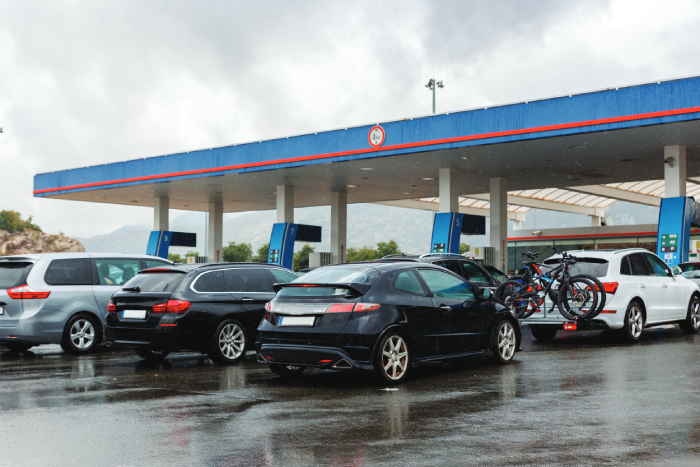
Make sure all maintenance is up to date. Check fluids at least once per week. Make sure tires are in good shape and brakes aren’t on their last legs. If anything needs to be fixed, now is the time to do it to avoid breaking down in the middle of an evacuation. I always keep a spare tire, a jack, extra belts, hoses, oil, antifreeze, coolant, power-steering fluid, automatic-transmission fluid, jumper cables, and road flares. My toolbox includes slotted and Phillips screwdrivers, pliers, electrical tape, and some cable-tie wraps. I always keep a folding shovel in the vehicle (especially useful in areas where you may encounter snow). Finally, keep your gas tank full! After you get going, you may not be able to stop – or lines at the tank will stretch on and on.
Your Route Out
When planning your route, ask yourself: Which is the direct route out and which is the safest route out? (The two aren’t always the same.) Which route is best for the vehicle I’m driving?
Make special allowances when the most direct route is also the only route out. A good example is U.S. Route 1 in Florida, the only road in and out of the Florida Keys. I’ve traveled it numerous times, and it can be busy even during slow tourism season. In an evacuation situation, you’ll likely face gridlock, so be prepared. If your route is similar to this one, get out at the first sign of danger, rather than waiting for an evacuation order.
In other cases, the most direct route may not be one that your vehicle can handle. Even driving today’s all-wheel-drive vehicles, some routes can’t be traveled without a high-clearance 4×4. Therefore, the safest route may not be the most direct route. Plan ahead and keep one or more maps in your vehicle. Don’t rely on GPS in an evacuation, in case it has errors or gets scrambled with roadways backing up.
Communication
We live in a world of constant communication. But in an emergency, the ability to communicate can become a matter of life or death. You’ll need to communicate with emergency responders, with members of your party traveling in other vehicles, and with people already evacuated to a safe destination to let them know how you’re doing and when to expect you. You’ll also need to know if the situation evolves.
Cellphones are a good start, but we all know they lose reception in some areas, towers can go down, and the cellular network can get overloaded. For these reasons, I carry a two-way radio, so I can monitor different stations for traffic problems and weather issues, while retaining the ability to communicate with family members and call for help.
Major issues can arise suddenly, as frequent weather emergencies show us. Make your plan now, and be prepared to act on it – even practice it a few times. You may not have time to second-guess. Your goal is to get yourself and your loved ones to safety. Following the protocols outlined here will help you do that.
Dana Benner has written about all aspects of the outdoors and sustainability for more than 35 years, with his work appearing in Grit, Mother Earth News, Backwoods Survival Guide, and others.
Originally published in the November/December 2025 issue of Grit magazine and regularly vetted for accuracy.