Learn cold weather terms to know and be prepared when cold air and precipitation from the cold north descends on North America.
Hundreds of people die in the U.S. each year as a result of cold temperatures, according to the Environmental Protection Agency. This doesn’t include illness due to flu, which peaks in winter. Also, deaths by heart failure increase by 37 percent during extremely cold weather, according to research from 27 countries compiled by the American Heart Association. So, awareness and protection are critical as these dangers mount. Read on for advice on how to prepare for bitter temperatures.
We suffer from two main threats caused by cold. Frostbite occurs when skin or underlying tissue is frozen, and it typically affects the face, fingers, and toes because the body restricts your blood flow to extremities to maintain its core temperature in severely cold conditions. Hypothermia occurs when core temperature drops below 95 degrees Fahrenheit. Your organs and systems start to malfunction and may shut down completely.
Cold Weather Terms
The National Weather Service issues special bulletins during winter, and understanding a few weather terms will help you make provision for the cold. Windchill estimates wind speed 5 feet aboveground and assumes skin is exposed and lacking an insulating layer of dead air. Windchill better represents the effect of a cold wind on your body rather than a temperature that can be directly measured with a thermometer.
Unusually cold temperatures are often associated with Arctic outbreaks when air masses from north of the Arctic Circle move down into the middle latitudes. When frigid air moves across the North Pole from Siberia and descends into North America, this is referred to as the “Siberian Express.”
Sometimes, Arctic outbreaks are associated with the polar vortex – the upper-level, low-pressure area associated with Earth’s coldest air. In the Northern Hemisphere, the polar vortex typically meanders over Canada in winter, occasionally dropping south and rarely crossing into the U.S. But when it does, the jet stream drops with it, bringing extremely cold air into the lower 48. Arctic air at the surface is often associated with massive high pressure, usually with home barometer readings above 30.5 inches, but sometimes almost off the scale at above 31 inches.
Near the center of this high pressure, the weather is extremely cold and fair. But behind the leading edge of the cold air, it’s common to find snow, sleet, freezing rain, and other types of winter precipitation. Major ice storms are possible. Fortunately, with today’s computer models, Arctic outbreaks can often be forecast days in advance. For example, a Flash Freeze Warning is set when significant ice is expected to form on roads, sidewalks, and other surfaces.
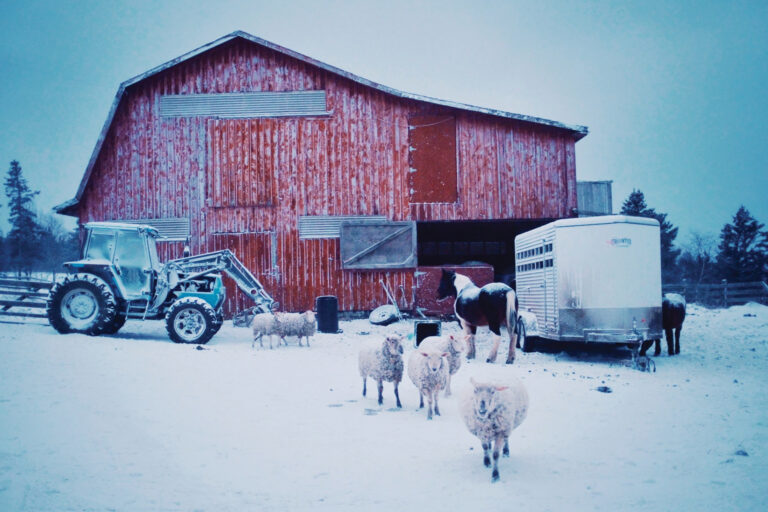
Cold weather is a real threat to people exposed to the elements, but hypothermia can also strike indoors when heat is inadequate. The elderly are most vulnerable. Extreme cold can also profoundly affect animals. Pets should be kept indoors as much as possible, and livestock should be given adequate shelter, food, and unfrozen water.
Ed Brotak taught college students about weather for more than 30 years. He lives in Asheville, North Carolina, with his family and still goes outside when he hears thunder.