Whenever temperatures begin to dip and frost sharpens the air, I remember how seriously my family took preserving food for winter. Country folks didn’t wait until “the frost was on the pumpkin” to start thinking about the months ahead. That work had been underway since the first vegetables “came in,” as we said, meaning they were ready to eat. By fall, though, if you weren’t ready, you had to get busy – and fast.
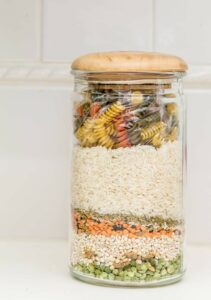
All summer, the garden had supplied our table. What we didn’t eat fresh was dried or canned in Mason jars and lined up like treasure. Fruit trees and vines were generous too. Pickled peaches, applesauce, and grape juice filled the corner cupboard. Blackberries, blueberries, and strawberries came in their own good time, each adding something sweet and useful to the family pantry.
Nutritious food mattered, especially for growing bodies. We never used chemicals or pesticides – only old barnyard manure. To have a good garden, my father believed, “You had to be willing to clean out the barn.” He checked the rows daily and stayed ahead of insects before they could ruin a crop. If tomato worms showed up, he picked them off by hand.
As summer gardens faded, I remember complaining about shelling peas. My industrious mother always had an answer for a child who didn’t want to work. “Okay, just don’t shell these peas,” she’d say. “You’ll be sorry when winter comes, and you have nothing to eat but dry beans – like the neighbors down the road!” The thought of a winter with nothing but dry beans settled me down, and I went right back to shelling.
Like a rite of passage, we followed the weather report from The Old Farmer’s Almanac and the RCA radio, waiting until the last possible afternoon to pick the remaining green tomatoes and bell peppers. One more day of sunshine couldn’t possibly hurt, we told ourselves.
Then, with wool scarves tied over our heads and gloves pulled on tight, we trudged through sleet beneath a dark gray sky, searching nearly leafless vines and plucking every tomato and pepper worth saving.
Those green tomatoes became pints of relish from a recipe hand-printed on faded tablet paper and passed down from my paternal grandmother. All winter long, that relish brightened dry beans and peas. Add buttermilk cornbread baked in a cast-iron skillet, and we had a meal that was plain, nourishing, and satisfying.
After gathering every edible tomato and pepper, we heard a rustle only a few feet away. A brown rabbit had chosen the brush beneath a tomato vine as shelter for the night. Fast as lightning, he darted away to a quieter place.
We stood for a moment, looking over the limp vines that had helped feed our family. In our own way, we bid goodbye to the source of so much labor. Planting season would come again, bringing the promise of another harvest. But for now, sleet fell on the once-lush garden, and darkness drove us indoors.
Along with the last half-grown vegetables, we gathered the final summer flowers. Every vase, including Grandmother McKnight’s milk-glass pitcher, filled with zinnias and marigolds. We clipped tender coleus and tucked the cuttings into empty blue Milk of Magnesia bottles, setting them in a sunny window to root for spring.
Seeing so many flower-filled containers around the house reminded me of a funeral parlor, where flowers honored the deceased. But why let such beauties freeze? Surely they could be taken to someone down the road or carried to the little country church on Sunday morning. I still laugh when I remember the Easter Sunday my aunt placed a large bouquet of lilies beneath the pulpit. Evidently, the preacher had a terrible case of hay fever. The fragrant lilies caused so much sneezing and nose-blowing that his condition resulted in a very brief sermon.
There was no reason for country folks to go hungry, but everyone had to work. Children learned early how to plant, pick, shell, dry, can, and save. The hope was that they’d carry that knowledge into adulthood and pass it on to their own children.
Puttin’ up for winter was never only about providing food. It was about gathering around a shared purpose. It taught us responsibility, connected us to one another, and reminded us to be grateful for what the land provided. Season after season, generation after generation, those lessons endured – and so did the memories.
Originally published in the September/October 2026 issue of Grit magazine and regularly vetted for accuracy.