
The longing for seasonal change must be some form of anxiety Midwesterners have after the winter from the Great North, for we are indeed anxious for a change in temperatures, a snow-free week and anything that is green.
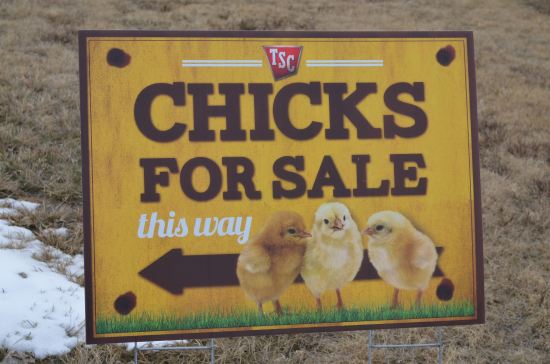
My own symbol for the long awaited season is the sign that appeared in front of the farm supply store this week. “Chicks for Sale.”
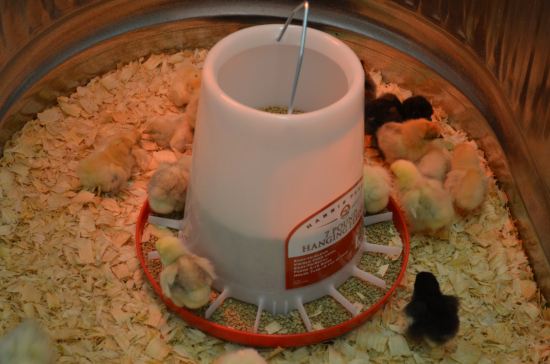
Hallelujah! I raced inside and there they were, inside stock tanks and under heat lamps. There was also a fence around the tanks and signs that warned us to stay off the fence. To add still another insult – a store employee was watching the chick area. What was I gonna do, grab one and cuddle it? (Well, alright, so maybe I would have, but you know, we all need a little cuddle therapy once in a while.)
I grew up on a Kansas “homestead,” as we like to call them these days. My dad farmed and worked a full-time job, but my mother stayed home, tending livestock, chickens and kids. There were three buildings dedicated to raising chickens. Each spring the chicks arrived by mail, cheeping and poking their little heads out the quarter-sized holes.
We were almost totally self-sufficient on the farm, so we slaughtered about a hundred of the young fryers and froze them for winter. Another hundred were kept for egg sales, and it is within that realm that the bad chicken memories developed. First, I was too young for big responsibilities, and chickens scared me. They pecked at me. The roosters chased me. There were snakes in the egg boxes. The hens pecked me when I gathered eggs, and I was scared of the dark and hated going out to lock them in. All these years later, I remember that I loved the chickens that just moseyed around making little clucking noises. But then, maybe those were the chickens over at my grandmother’s house and not ours.
The story of how my parents got into the chicken business didn’t get told until just a few years ago. It seems that my parents were start-up farmers during the later years of the Depression and a few years after. The farm culture dictated that women would stay home, but like all their neighbors, they were hard up for money. There was an egg co-op in Wichita that called a meeting one winter, and a spokesman convinced them and others like them that there were big bucks to be had by raising chickens. Of course, that was ideal, because the women could take care of them since they didn’t “work” anyway.
My dad was a penny-pincher, but he managed to salvage some lumber and put up a really nice chicken house for a few hundred birds. A luxury brooder house and some chicken pens came next. That spring and for many to follow, the baby chicks arrived and went through the life cycle from peep to egg production.
Over the years, the number of chickens decreased and finally the chicken house became implement storage. Seems there was no longer a market for farm eggs.
“So did you ever make any money at it?” I asked my mother. Her reply was “Shoot NO.”
“Then why did you stay in the chicken business?” I pursued with a little doubt.
“Oh,” she muttered, rubbing her cheek as if trying to recall. “I guess it just became a way of life. We made just enough money to pay for the chick starter, and we ate most of the eggs or traded them off to the neighbors or at the store. It was just the way young folks survived back then.”
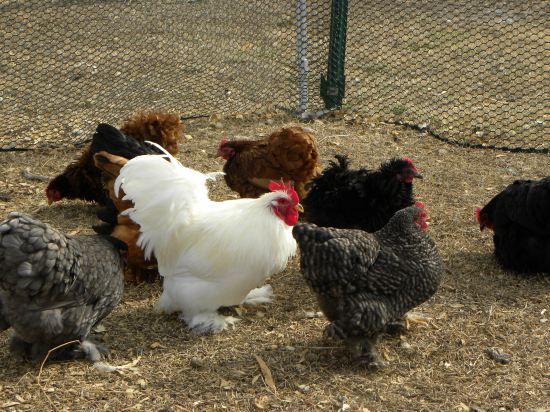
“There is a lot to be said for survival,” I thought, and even though I don’t have good memories of chickens from back then, I can’t help but yearn to own a few. Of course, mine would be the kind that moseyed around, clucking quietly.