Wondering what to do if you find kittens in your yard? Read how one woman helped to socialize 14 vulnerable kittens and found good homes for all of them. Her tips on providing good feral kitten care will help you on your journey.
The country property my husband and I purchased in northeast Washington came with a 1935 farmhouse, several rustic barns, and a pack of feral cats. Most of these critters were just passing through, but five decided to take up residence in an old cow barn. We didn’t mind the arrival of these felines, because within a short time, the destructive rodents near our barns, fields, and garden plots were history. A neighbor from a nearby farm, however, warned us that feral kittens would be the next arrival — one abundant batch after another.
Estimates for the number of feral cats in the United States vary drastically, but the Humane Society suggests there are 30 to 40 million. Unspayed cats can produce 2 to 3 litters a year. In agricultural areas, the offspring can be found in barns, henhouses, haylofts, tool sheds, and livestock shelters — just about anywhere a pregnant feline feels safe delivering her brood.
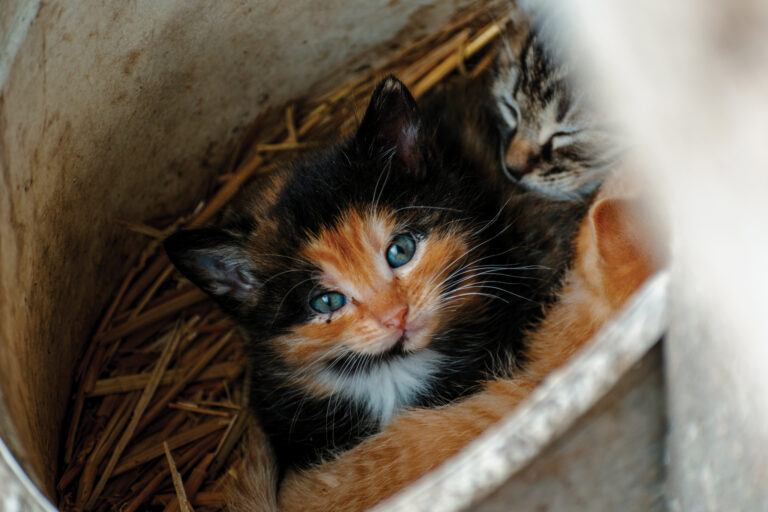
Accordingly, we implemented a trap-neuter-return (TNR) program. TNR is a long-term program designed to humanely reduce the feral cat population through sterilization. Feral cats are humanely trapped, sterilized, vaccinated, and then released back into their community. Sterilized feral cats are identified by an ear tip or ear notch. In our case, catching these fearful felines took a bit of work, since our feral cats were difficult to trap. Fortunately, our vet remained on-call to spay the females and neuter the males. Meanwhile, the cats we believed to be females proved us right by delivering 14 kittens between the two of them. We found their tiny babies in a hay bin when the kittens were about 2 weeks old: Their ears had unfolded, and their eyes — which were blue at first — were beginning to open.
The Hard Life of a Feral Cat
Feral cats are cats that weren’t around people during their early life (usually before 9 weeks, a critical period for socialization). As a result, they’re afraid of humans and often run away when approached. Feral cats can’t be touched, picked up, or held by people. For many of these cats, life is bleak. While the average cat can live 10 years or more, the feral cat’s life span is just 2 to 3 years.
This drastic drop in life span can be attributed to the many hardships feral cats endure. They have meager shelters during extreme weather conditions; can suffer from flea infestations, disease, and infections; and often face mistreatment from unkind humans. Predators, including dogs, coyotes, wolves, and raptors, pose further danger.
Lending a Helping Hand
Deciding what to do with the 14 kittens was easy. Animal shelters are overpopulated and understaffed. Euthanasia wasn’t an option. So, it was up to us to socialize these fragile kittens and get them ready for adoption. Otherwise, they’d face the harsh realities of feral life.
Socializing the kittens required moving them into our home, where we could overcome their fear of people by providing ample positive interactions. Figuring out when to move the kittens from the barn, however, was difficult, since one of the two mother cats was dedicated to nursing the huge brood. We knew her milk was vital for getting the kittens off to a good start.
Several events led us to move the kittens after they were 3 weeks old. First, they weren’t getting enough milk from just one mother cat and appeared weak. Second, some of the kittens’ eyes had crusted over and were only partially opened — these nearly blind babies needed a vet exam. Finally, the two mother cats had begun hiding the kittens. We understood their protective instinct, but concealing the kittens jeopardized their survival. After two days of intensive searching, we found all 14 of the critters — in the barn’s attic loft, behind shelving units, under storage cabinets, and even outside in tall grass next to the barn. We collected the kittens — in small batches — in a cat carrier, and then transported them to our house.
Feral Kitten Care
We set up a kitten abode in a safe, secluded area of our basement in advance. Our setup included a large fleece-filled sleeping tub and, for extra warmth, a hard-panel heating pad on the floor nearby. Other accouterments included a feeding station, a couple of litter boxes, and lots of toys. During their first week with us, the kittens mostly snuggled under their blanket for warmth and security. They slept most of the time, but gradually they could be coaxed out to meet us and explore. Even then, they’d run and hide if unsettled by a noise or an attempt to pick them up. Once they began to trust us, however, they were eager for human talk and touch.
Health and Nutrition
Nourishment was a major concern. We provided soft cat food twice a day and had dry kitten kibble and fresh, clean water always available. The kittens had voracious appetites! The only health concerns were with the kittens with partially opened eyes. Our vet prescribed antibiotic eyedrops and an oral equivalent administered twice daily. After a week of treatments, their vision setback was corrected.
Litter Box Training
How do you train a kitten to use a litter box? Kittens younger than 20 days old may need help from their mother or a human caretaker to eliminate bodily waste. If the kitten is 20 days old or more, however, litter box training is pretty simple. After the kitten’s eaten, give it time to digest the food and then place it into the litter box. The kitten will dig a hole, make a wet or solid deposit, and then cover it up. Truly amazing! However, expect a few accidents in dark corners, on bedding, and under furnishings. In a short time, however, kittens will prefer to use a litter box.
Feral Kitten Socialization
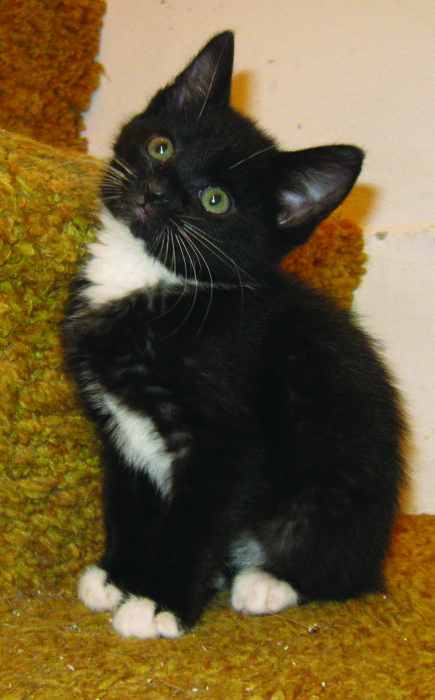
By the time the kittens were 6 weeks old, they were interacting with us confidently, playing exuberantly with each other, and investigating the toys. Our socialization goal required us to handle, hug, and hold each kitten twice a day. Repeated exposure was necessary to overcome their natural shyness and their instinct to hide. Scheduling these kitten encounters into a busy farm day was tricky, but since my husband and I took turns, it was doable. Besides, listening to a kitten purr when you hold it over your heart is a treat.
Preparing Feral Kittens for Adoption
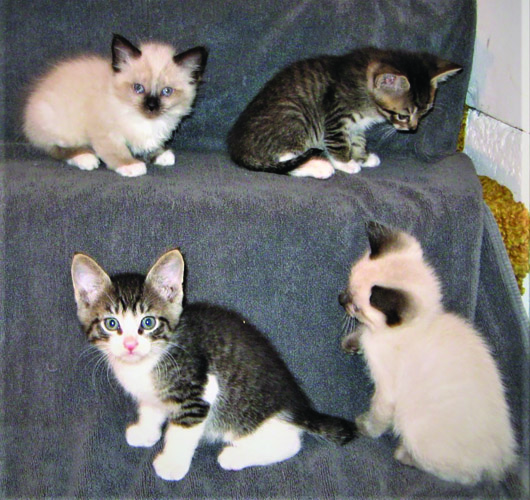
Ideally, kittens would spend 10 to 12 weeks with their mother before being put up for adoption. Since we didn’t have a mother cat to nurse the kittens or teach them feline skills, we took steps to adopt them out at 10 weeks. We began snapping photos when the kittens were 9 weeks old — not easy, since they were in constant motion. But we were patient and willing to take 10 photos of a kitten to get one good one — meaning the photo wasn’t blurry!
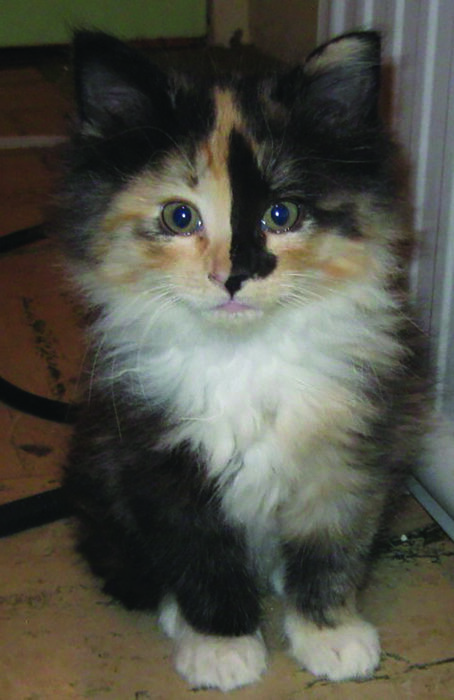
The photos were sent to family, friends, and neighbors who, in turn, shared them with others. We also posted them to a community classified website. The response was immediate and enthusiastic, but how would the kittens handle this attention? Thankfully, the kittens were real troopers. When meeting with potential adopters, they remained calm and open to interacting with unfamiliar people.
We released kittens to reliable adults — usually with children in tow — and provided each adoptive family with an equipment and supply list. We also requested the kittens see a vet to be vaccinated and neutered. Within a week, each of the 14 kittens had found a supportive home. Watching adoptive families hug their kittens was especially sweet and immeasurably rewarding.
Feral Kitten Care Equipment and Supplies
Nourishment
- Dry kitten kibble
- Soft canned kitten food
- Fresh, clean water
Food Station
- Sturdy water bowls
- Sturdy food bowls
- A plastic tray to hold the bowls
Litter Box Area
- Large, shallow plastic tub to hold litter
- Litter that clumps and has a pleasing odor
- Litter scoop for picking up solid deposits
- Receptacle with lid for deposits
Sleeping Provisions
- Plastic tub large enough to hold all the kittens
- Fleece blankets in cold months
- Large, soft towels in warm months
- A solid electric heating pad for the floor (small to medium-sized)
Kitten-Sized Toys
- Balls
- Squeaky toys
- Action toys that move
- Climbing structures (such as cardboard boxes)
Housekeeping Supplies
- Dustpan and brush for sweeping up spilled litter
- Cleaning cloths for accidents
- Water for cleanups (no chemicals)
What to Do If You Find Kittens in Your Yard
- Alley Cat Allies’ Guide to Trap-Neuter-Return
- The Humane Society’s Outdoor Cat FAQ
- Alley Cat Allies’ Guide to Determining the Age of a Kitten
Cathie West is a retired educator who has written professionally for publishers of educational books and magazines. She lives with her husband on a picturesque farm in northeast Washington, where they raise poultry and grow alfalfa, hay, vegetables, fruit, and nuts.
Originally published as “Giving Feral Kittens a Second Chance” in the March/April 2023 issue of Grit and regularly vetted for accuracy.