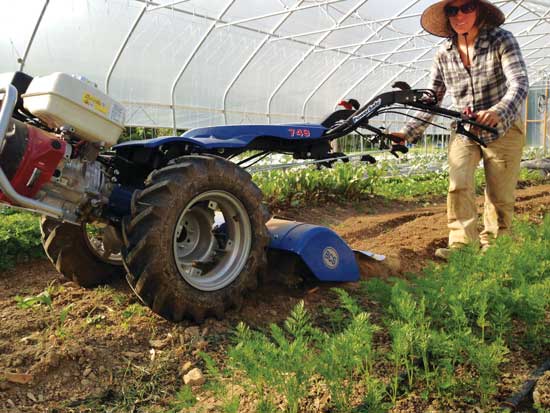
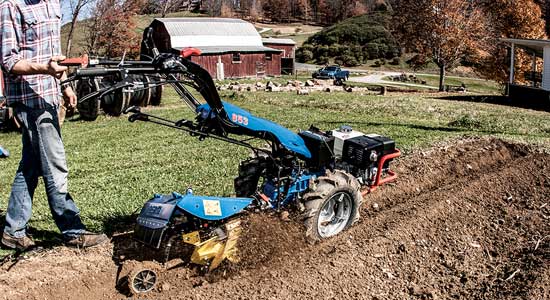
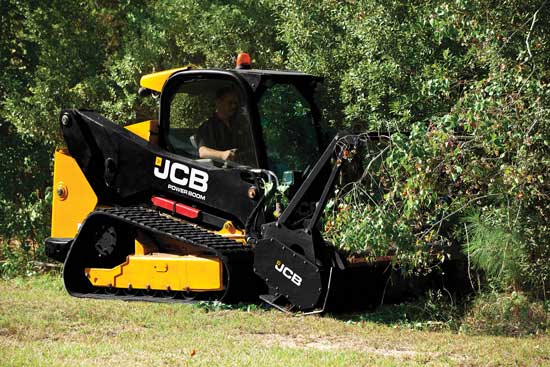
Now is the time to tackle that list of spring and summer projects that need doing on your small farm or acreage: clear brush and reseed the back pasture, trench out the low spots in the hayfield, till up the 1-acre garden, and put in a larger culvert across the driveway. There may or may not be significant fencing work ahead, too. It’s a big list of projects, but you’re up to the task.
There are, however, a couple of things that might slow you down. Your tractor is woefully underpowered to run the brush mower, and it doesn’t have a loader; your tiller has been in need of repair since last spring; and you don’t have a backhoe to do the heavy digging, trenching or drilling. If you need to get the work done, you’ve only got a couple of options: Go out and purchase equipment, or rent the equipment by the hour or day.
Sure, you may have a friend or relative who’d be willing to loan you the equipment, but chances are if the project is seasonal in nature, they will probably be using the equipment themselves. Also, what happens if you accidentally damage the machine? Not only will you have to repair it, but you’ll most likely not be using the loaner anytime in the near future.
There are multiple factors that may figure into the decision of when it’s best to purchase equipment or if it makes more sense to rent. Some of the initial questions you may want to ask yourself are:
• How often will you use the equipment? Is it a one-time job, or will you need it time and time again?
• Equipment purchases may tie up a lot of your capital. Do you have the funds to make a long-term commitment?
• Are there any tax advantages to purchasing as opposed to renting?
• If you purchase, will your equipment hold its value or will it depreciate and become obsolete?
Renting equipment
In most cases, if you’ll need the equipment for an occasional project or a project that requires a piece of specialty equipment, renting may be your best option. Let’s look at backhoes, for example. They are great tools that come in handy for everything from ditch work and drainage projects to site preparation. They also come in many sizes, from small stand-on self-propelled units to large, heavy-equipment versions. There are also backhoe attachments that can be added to small compact tractors.
I can think of a lot of projects that a backhoe would greatly reduce the time to complete, but the truth is, I probably would only need its unique capabilities for one or two projects a year, at most. On top of that, using a backhoe requires skills that take a lot of time to develop. I could rent one – if I have the skills to operate it – or I may come out ahead paying for a skilled operator to come in and do the job efficiently and in half the time.
If you think you have the skills necessary to operate a backhoe, and you want to tackle the project yourself, check with your local implement dealer or equipment rental store. I priced a mini track loader with a ride-on platform for $176 for eight hours of use, including the trailer. Larger backhoe attachments that come mounted on a compact utility tractor with a loader on the front of the tractor can be rented for eight hours with prices ranging from $280 to $360 in my area, depending on model and horsepower. This is one piece of equipment I could never justify purchasing, and for me, the rental price was a great option for limited use. However, for the landowner who is looking at thousands of acres of land to reclaim, several ponds to restore, and more regular work for the machine, purchasing makes total sense.
I have an old 8N Ford tractor my father and I restored many years ago. I treasure that little tractor, and it has ample power for a lot of the little jobs for which I use it. It has one big disadvantage, though, in that it lacks a live power take-off (PTO). Simply put, it doesn’t have the capability to run certain modern attachments like gear-driven rotary tillers that require immediate horsepower to operate. If I would need to till a large garden area or wildlife food plots, I would have to find another option.
I called my area implement dealer to check on rental options, and I was pleasantly surprised to find out that I could rent a 30-horsepower diesel compact utility tractor with a 5-foot gear-driven tiller for around $325 for eight hours, including the trailer to haul it to my property. While $325 is not pocket change, if you consider the cost to purchase that same combination of tractor and tiller new, the price would start around $16,000. Of course, there is always the possibility of finding used equipment to purchase, but there are also major considerations when you enter the used implement market.
These are just a couple of examples of times when it may make more sense to rent rather than purchase equipment, but here are some other advantages to using rental equipment:
• Great way to try equipment before purchasing to make sure it’s what you like
• No long-term commitment – you don’t make payments when it sits in storage
• No maintenance, insurance or repair costs
• Usually newer equipment, which translates to ease of use and more efficiency
Purchasing equipment
Purchasing has traditionally been the most popular method of acquiring equipment to use on farms or acreages. If your need to use equipment is on a regular or ongoing basis, purchasing is usually the least expensive option, and over the long term, buying your equipment may be much more cost effective.
While renting may fill the need when dealing with those unique jobs for occasional use, the cost of renting equipment for anything other than a few days quickly adds up. To put it in perspective, that one-day rental price of $325 for a compact utility tractor becomes quite expensive when rented for multiple days or if rented several times a year. Ten days of rental equates to $3,250 or roughly one-third of the cost of buying just the tractor from a dealer. With some finance programs offering interest rates as low as 0 percent over 60 months on some models, it may be easier and more cost effective to purchase and budget on a monthly basis.
Besides the low long-term financing available, when you purchase, you build equity in your equipment. Depending on your particular model’s resale value, you may actually see an appreciation in value of the equipment at the end of the financing term, or at least see it hold its value in the years to come. Generous warranty coverage on new equipment helps ease the fear of getting stuck with a bad purchase or costly repairs on used equipment.
If you have some extra time available, and you are a fairly skilled operator with your equipment, there is always the possibility of picking up a few small jobs to help pay for your new purchase. Tilling gardens, moving material, or clearing snow are just a few ways to use your equipment in your spare time or when it’s typically stored in the barn for the season. Mowing fields and ditches with a rotary cutter can also pay decent money.
Depending on your individual situation, you may also realize some tax benefits when you purchase equipment. When you purchase, it may be possible to set up the equipment on a tax depreciation schedule, and you may be able to take the depreciation deductions. If the equipment is financed with a loan, the interest part of the payment is also tax deductible. Again, the tax savings all depend on your individual situation, and you should speak with your tax professional to make sure your purchase would qualify.
The right decision
I would like to tell you that purchasing equipment as opposed to renting is always the best decision, but there is no one right decision – each option has its own benefits and disadvantages. It eventually will come down to your specific situation, frequency of use, and long-term goals.
Renting & Purchasing Smaller Equipment
We took a look at a couple of specific examples of the economics involved with renting or purchasing larger equipment on the farm or acreage, but what about the smaller equipment that we need to use occasionally? Things like tilling smaller gardens, splitting logs and cutting sod all
require specialty equipment that may not be cost effective to purchase. Here are some comparative examples.
Rear-tine Tiller
I priced the rental of a rear-tine tiller for $89 per day or $39 for a half-day. If you’re breaking up ground on a new garden area – even if it’s of average size – you will probably take a day to get it worked to a fine till. That same garden spot tilled after it is harvested in the fall will probably take a lot less time to till. An average price for a rear-tine 16-inch tiller is about $600. In this case, if you plan on gardening for more than four years, you would have paid for your tiller if you rent twice a year.
Log Splitter
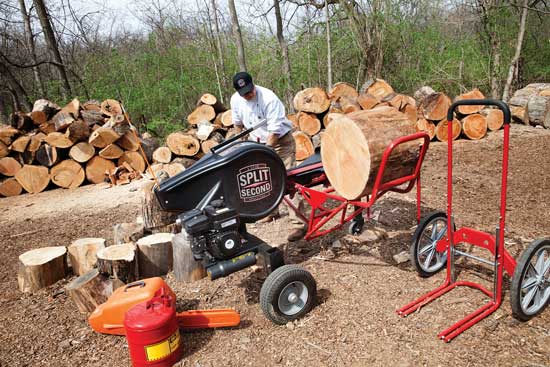
More people are burning wood for alternative heating sources, and putting up wood in the fall is a pretty common task. A rental on a gas-powered log splitter in my area runs about $69 per day. Log splitting tends to be pretty time-consuming, even if you have your logs already bucked up and ready to split. Depending on if your wood consumption is fairly small and more fireplace and recreational type usage, you may get by with a day or two of rental to split your annual wood supply. Of course, if you’re furnishing a wood-fired boiler to heat your shop or home, your volumes and usage of the splitter dramatically increase. The average cost to purchase a log splitter is around $1,500. This would mean you could rent a splitter 22 times before you would have it paid for. If you’re not using wood as a main source of heat, it probably makes more sense to rent.
However, if you do buy, you can hire your machine and your labor out to wood-burning neighbors and make a decent little side business out of it. If you have time and access to plenty of hardwoods, consider selling a few cords a year, and you’ll pay for that splitter in no time.
Sod Cutter
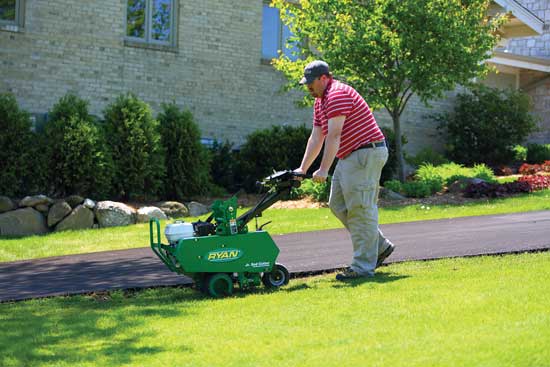
Sod cutters are definitely one of those unique pieces of equipment that you tend to need very infrequently, but they can make removing large quantities of sod a much easier task. Just ask someone who has cut sod by hand what a day’s work is like, and you will quickly see the benefit of using a powered sod cutter.
Locally, I can rent a 12-inch gas-powered sod cutter for $95 per day or $329 per week. The cost to purchase a good-quality 12-inch sod cutter is right around $4,000. Unless you’re in the landscaping business, I would find it hard to justify ever purchasing a sod cutter, but the rental rates make using the equipment a viable option.
One of the more common chores where a gas-powered sod cutter really excels is preparing brand-new garden ground for the first time. If you’re only going to do it once to establish one or a few backyard garden areas, renting for a day or two makes more sense. Remember, this work likely won’t be annual in nature. Larger jobs and more annual work might make purchasing more sensible. Do the math first, in either case.
Tim Nephew is a freelance writer living in Minnesota, where he owns and maintains 80 acres for wildlife to enjoy.