
You live in a rural area, surrounded by farmers or ranchers who earn their living from the land. You see them drive into town in their pickup trucks, or having lunch at the local coffee shop. But how can you tell ’em apart?
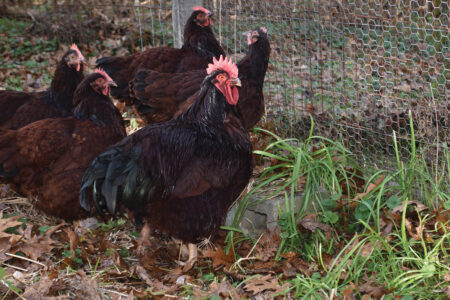
Let’s start with definitions. Not everyone who raises crops is a farmer, and not everyone who raises livestock is a rancher. If you raise row crops, vegetables, dairy cows, pigs, chickens, catfish or Christmas trees, you’re a farmer. But if you produce tree fruit, you’re an orchardist, and if you grow ornamental plants, you’re a nurseryman. If you raise wine grapes, you’re a grape grower or a viticulturist, but if you also produce wine, you might call yourself a winemaker, a vintner or an oenologist.
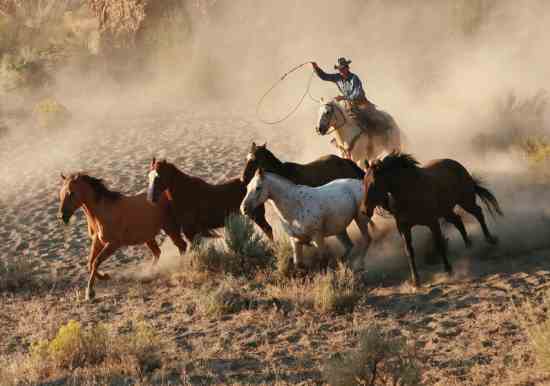
You’re a rancher if you mostly raise cattle, bison, elk or sheep. You may be a rancher if you raise horses, but if your horses sell for more than the cost of a new pickup truck, you’re a horse breeder. I don’t know what you’re called if you raise goats. A rancher might also raise alfalfa or wheat, but he won’t take it kindly if you call him a farmer. Conversely, many farmers also raise cattle, but still call themselves farmers. If you charge city folks an outrageous fee to spend a week riding horses, looking at cows and eating steaks around a campfire, you’re a dude rancher, Dude.
OK, let’s say you’re dining at the local café, and see a fella at the next table dressed in cowboy boots, a Western shirt and a Stetson. A rancher, right? Not necessarily. He might also be a trucker or the local banker trying to make a good impression with his rural customers. A farmer, on the other hand, often dresses like … well, like a mud hen, in plain coveralls, work shoes and a John Deere cap. Unless, of course, he’s a trucker. Same wardrobe, different hours.
Farmers and ranchers use the same words to describe different things. When a rancher talks about hybrid vigor, she’s talking about her crossbred cows. When a farmer mentions hybrid vigor, he’s referring to corn varieties. Ask a farmer about genetics, and she’ll tell you about the herbicide-tolerant soybeans or insect-resistant cotton in her field. Genetics means just one thing to a rancher: bull semen.
Ranchers gripe about vet bills and sand in their stock wells, trespassers leaving gates open and poor market prices. They complain about the high price they have to pay for winter feed, but they will spend any amount of money for a good horse. Farmers gripe about the high price of chemicals, seed and fertilizer, and poor market prices, but they will spend any amount of money for a new tractor.
Farmers and ranchers carry different stuff in their pickup trucks. The back of a farmer’s pickup contains empty Roundup jugs (unless he’s an organic farmer and then it’s a flame weeder), while a rancher’s pickup contains empty dewormer and vaccine bottles. A farmer’s pickup bed might contain a shovel, a broken part from his combine, two crescent wrenches and a box of assorted nuts and bolts. Look in the back of a rancher’s truck, and you’re likely to find a saddle, a rope, fencing pliers, a roll of barbed wire and a box of staple nails. In the spring, the farmer’s pickup truck is loaded with bags of seed, while the rancher’s contains bags of range cubes and a salt block. Both trucks, of course, contain a dog.
Inside the farmer’s pickup cab, you’ll find a dog-eared notebook listing the corn hybrids or soybean varieties planted that year, the dates they were planted, and a note marking the opening day for duck or deer season. There’s an equally dog-eared notebook inside a rancher’s pickup that lists the days the cows were inseminated, the date that each calf was born, the date the cows were last vaccinated, and a reminder of the opening day for elk or antelope season.
A farmer spends most of the money she earns on more equipment, seed, weed killers and a lawn tractor for her husband, who works in town. A rancher spends his money on vet bills, fencing materials, winter feed for his cattle, and a new wire stretcher for his wife. A farmer considers a variety trial field tour or a visit to the nearest Cabela’s or Bass Pro shop a vacation. Ranchers will spend their vacation attending the annual cattleman’s meeting or a rodeo. It should be noted that many ranch and farm spouses do not agree with these definitions.
A farm should be large enough to require the use of at least one tractor, although some farms in the Midwest and South are big enough to merit their own zip code. Western ranchers usually measure their spreads in terms of sections, or at the very least quarters. This is because it may take several acres to sustain a single cow in areas where it rains only during presidential election years.
Ranch country generally lies west of a line that runs from Texas and Oklahoma through Kansas, the Nebraska Sandhills and into the Dakotas. You’ll know you’re in ranch country when you see cattle guards across public roads and a mailbox at least a mile or more away from the nearest residence. If you’re driving through a desolate area where the only other vehicles in 50 miles are a propane delivery truck and a county road grader, you may be in ranch country. Should you happen to meet a rancher driving the other direction, odds are he or she will raise a forefinger from the steering wheel in a friendly wave. It is considered good form to return the wave, as long as you use the proper finger.
You can spot the entranceway to a ranch by the gate made of old wagon wheels, deer antlers, or the ranch name or brand fashioned from wrought iron. There may be a sign wired to the fence along the highway that reads “Eat More Beef,” or which identifies the owner as a proud cattle breed association member.
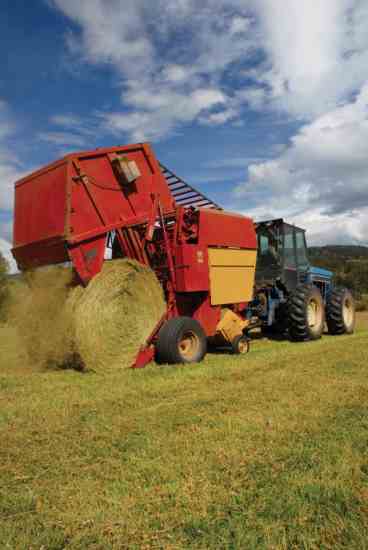
A farmer, on the other hand, often decorates the front yard with an old manure spreader, an old steel-wheeled tractor or an antique Gleaner combine. The signs posted on a farmer’s place identify the local cooperative or favored hybrid corn brand, and advise road hunters to keep out.
Farmers and ranchers will pitch in to help their neighbors in times of crisis, will stop to pull you out of the mud or help change your tire, and consider themselves to be conservationists and stewards of the land. Just over two million of ’em are left in the country today, and America is a better place because of them.
Neither a farmer nor a rancher, Jerry Schleicher is a country writer and cowboy poet who lives in Parkville, Missouri.