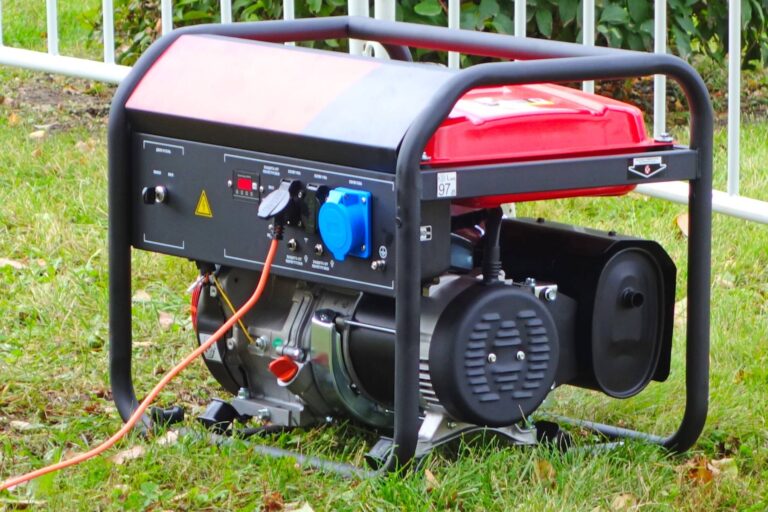
If you rely on an alternative power source during an emergency, don’t overlook home generator maintenance to ensure that it is ready when you need it.
Standby generators play a key role in maintaining critical farm operations when weather or other circumstances cause electrical power outages.
Since they’re a temporary power source, it is easy to put off home generator maintenance. However, the last thing anyone wants to experience is failure of the emergency power source they’re counting on. Aaron Yoder, Associate Professor at the University of Nebraska Medical Center (UNMC) College of Public Health, Department of Environmental, Agricultural and Occupational Health, says maintenance is critical to both the operation and life span of a generator.
Generator Maintenance Checklist
If you don’t have access to an operator’s manual, one may be obtained either online, through the equipment manufacturer, or a company that manufactures similar/same generators. Sometimes, the company who installs the generator may be able to assist in locating a manual.
- Test early. If you know there’s a potential storm or adverse conditions on the near horizon, it’s a good practice to start the generator before the event and check it over. Generally, manuals contain a maintenance checklist and timeline for completing maintenance tasks. Usually, starting a generator every 30 days to ensure it’s in running condition will give owners an opportunity to address any operation issues.
- Keeping the generator clean requires checking any area where dirt, dust, or rodents might invade the generator. If a mouse or a bird builds a nest in the exhaust or air intake, there’s a risk of causing a fire if the generator gets hot during operation. The last thing you want during an emergency is fire in your generator.

- Inspecting the generator switch for dust and dirt may help avoid instances of stray voltage or electrical malfunction. The inspection should be completed by a certified electrician or the generator supplier.
- Know your fuels. Propane is often the fuel of choice for a standby generator unless a supply of natural gas is available. Diesel fuel is commonly used for a portable generator. Using gasoline to power a generator adds a significant safety risk, because it could result in an explosion if the fuel comes in contact with any part of the generator that’s hot. Your fuel supplier should be able to outline risks related to use of their fuel. They may have information specific to safely using the fuel for a generator.
- Ventilation. One key safety element when using a generator is ensuring it’s used in a well-vented, open area because carbon monoxide generated by the equipment is odorless and can be deadly when significant amounts are inhaled by any living being.

A standby generator is a wise investment because it could prevent costly losses during a power failure. As with any other agricultural equipment, know how to safely operate and maintain the equipment so it functions properly, and you and your family are safe at the end of the day.
Loretta Sorensen writes from her home in southeast South Dakota, where she regularly develops agricultural safety and health articles for the Central States Center for Agricultural Safety and Health (CS-CASH) at the University of Nebraska Medical Center.
All GRIT community bloggers have agreed to follow our blogging guidelines, and they are responsible for the accuracy of their posts.