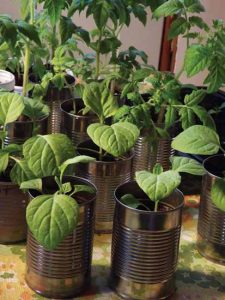
Yep. I thought that title might get ya. That’s right, this entire post is about organic pesticides and the moral debate involved in using them (a.k.a. killing). It’s also got some charming garden pictures. How about that for confusing?

Before I give you the recipe and directions on making your own organic pesticides, know that they are not selective in their killing. So, by using them even the beneficial bugs die or vacate. This is actually a factor that I appreciate because it prevents me from going wild spraying my plants “just because.” I am forced to wait until I can’t find any beneficial insects/arachnids to combat the harmful insects. Also, when the only ones I find are Black Widows and… well… as technically beneficial as they might be: I want them dead. They may not linger on my innocent tomatoes and plot their evil spidery schemes. Not in my garden.

Let’s just take a moment to recognize the Technical Knock Out (TKO) that is in the picture above. Sigh. Check out the blush on that heirloom’s cheek, would ya? If that doesn’t make you want to plant a garden — only a glance at the prices in the produce section of the supermarket will.
Before mixing up the magic organic pesticide, be sure that you have surrounded your plant-babies with nature’s first defense: marigolds, orange peels, cedar chips, mint, geraniums, sage, and rosemary. These are natural pesticides which discourage those unwanted guests from lingering in your garden patch (to name a few: tomato hornworms, Japanese beetles, aphids, and others). Only, I mean ONLY, if these have failed to protect your food source may we resort to the use of sprays.

You will need an old sprayer, 4 Tbsp hot sauce, 1 head of fresh garlic, 1 tsp liquid dish soap, 2 Tbsp vegetable oil, and 4 cups water.

Chop the garlic and pour the oil and hot sauce over top. Mix, cover, and let sit overnight. Strain out the garlic, then mix with water and add dish soap.

Fill up your sprayer and use sparingly.

If you would like to find other homemade bug remedies, then please visit this site for some great ideas. Comment on this post and enter to win a packet of sweet basil and a $10 gift certificate to Seeds of Change — my favorite seed company of all time because… well, they just totally rock like KISS.