For the burgeoning homesteader, mulch may feel like an afterthought. After all, landscapers use it to make plantings look pretty and well groomed — so what actual purpose does it serve? What you may not know is that mulch is much more than a simple pile of woodchips: It’s a critical component of a healthy garden, whether you cultivate vegetables, herbs, fruits or flowers.
Why Should I Mulch?
Mulching has a number of beneficial effects both for your soil and for your plants. For example, deep mulching can smother existing weeds and prevent new ones from germinating, according to one study from eOrganic. This allows desired crops to grow to their full potential. It also helps your plants’ infrastructure by promoting root growth.
Mulch regulates soil temperature and consistency. By providing a thermal layer, mulch allows soil to stay cool in the summer and warm in the winter. Well-mulched soil will also lose less water through evaporation, which means you won’t have to water as often or as much. It will also help the soil absorb water by preventing problems like crusting and compaction. In the off-season, certain kinds of mulch can also be used as animal bedding.
What Kind Should I Use?
Organic shredded mulches are definite farmer favorites. As they decay, these materials fertilize the soil by providing new nutrients, contributing to better overall soil structure. Horticulture specialists advocate shredding your materials to provide more surface area, aid in decomposition and keep your mulch from blowing away.
Depending on your needs, consider the following types of organic mulches:
• Wood Chips. This is probably what you think of when you hear the word “mulch” and is generally regarded as the most attractive variety. A two- to three-inch layer of wood chips provides good weed control. Generally, larger wood chips are better, although you’ll need to watch out for termites and other pests. As an alternative, you may want to consider something like shredded hardwood, which decomposes slowly and suppresses weeds just as effectively.
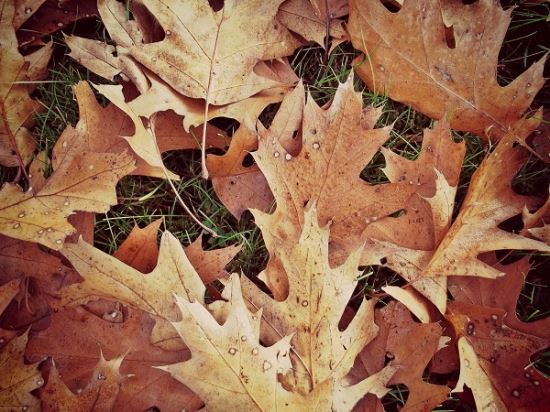
• Dried Leaves. A two- to three-inch layer of leaf mulch will also suppress weeds. Use oak or beech to lower the soil’s pH for plants that need acid. As this mulch decomposes, it will contribute nutrients to the soil. When this happens, mix the old layer into the soil and add a new layer on top.
• Pine Needles. Ideal for plants that need a lot of acidity in the soil, two inches of pine needles provide an attractive and fragrant option. Water will easily flow through this type of mulch, so plan accordingly.
• Straw. Always use straw and not hay, as hay often contains weed seeds. Straw is a good option for vegetable gardens and newly sown areas. This type of mulch will also improve the soil as it breaks down.
• Grass Clippings. Dried clippings are a great alternative, though they can sometimes contain unwanted seeds. Layer shredded newspaper under your clippings to help prevent weed growth. A word of caution: Take care to source your clippings from a reputable location that doesn’t use herbicides or you’ll risk compromising your plants.
In certain cases, synthetic mulches are also appropriate. Black plastic is an excellent tool to combat weed growth, but be sure to use it with caution: It can block water and fertilizer from entering the soil. It could also make the ground too hot to foster healthy crops.
Final Thoughts
If you plan on mulching a large area, take into consideration the equipment you’ll need to transport and spread the mulch.
A mulch’s quality depends on its source, and your mulch needs will depend on what kinds of plants you grow. A little experimenting can go a long way. With the right material, depth and placement of your mulch, your trees, crops and gardens will thank you.
Photo by Katrin Baustmann