Learn about no-till gardening methods, how to till the soil by hand and dig into the no-till gardening pros and cons of each technique to guide your soil-preparation choices.
For as long as I can remember, I’ve gone out as soon as the soil could be worked and turned it, first with a shovel and then with a tiller. Only recently did I take a long, hard look at what I was doing. Was there a better way? Is it right just because it has always been done this way? What about no-till, or perhaps moderately tilling? The more research I did on the subject, the more confused I got. So, which way is better: to till the land or not?
Most gardening methods have pros and cons. Regarding tilling, people will argue all sides, and all have valid points.
No-Till Gardening Pros and Cons
Here are the different practices and the advantages and drawbacks of each. Before you start tilling or abandon it, do some research and then pick what works best for your gardening situation.
Tillage
Tillage is the result of turning the soil. Tilling acts as a mixer, combining all the surface material with the substrate. Many gardeners use a shovel or garden fork; those with larger farms pull plows using draft animals or tractors. Either way, the result is a smooth surface into which seeds are planted.
Tilling loosens the soil, helps warm the soil, and can bury carbon (a greenhouse gas) in decaying surface vegetation, thus increasing soil’s carbon storage. However, this is a double-edged sword because you can’t help but release stored carbon and possibly methane into the atmosphere when you break the soil, even in small amounts. Additionally, tilling leaves the soil vulnerable to runoff and erosion. (Remember the Dust Bowl?)
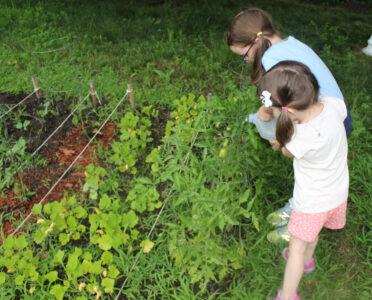
So, why till at all if it has so many risks? The answer lies in soil type. Many people use gas- or electric-powered, hand-pushed, bladed tillers to loosen the soil, and this works to prepare the garden in compacted soil or soil with low organic material. The trick to using a tiller is to do so when the soil is dry. Tilling in wet soil can compact the soil more.
No-Till
At its most basic, “no-till” means the soil isn’t turned before planting. Indigenous peoples used no-till gardening techniques before the arrival of the Europeans, and no-till gardening made a substantial comeback in the 1990s.
According to Steven Mirsky, with the Agriculture Research Service’s Sustainable Agricultural Systems Laboratory in Beltsville, Maryland, no-till systems can help limit the release of dangerous greenhouse gases. They can also prevent severe soil erosion, but this may lead to increased weed problems, which can threaten your plants, especially if you don’t use herbicides.
In a no-till system, gardeners make slices in the topsoil and then plant seeds. On larger farms, farmers make these slices with a bladed tool towed behind a tractor or a draft animal. But for a home gardener, the process can be as simple as creating a furrow in the soil using a stick.
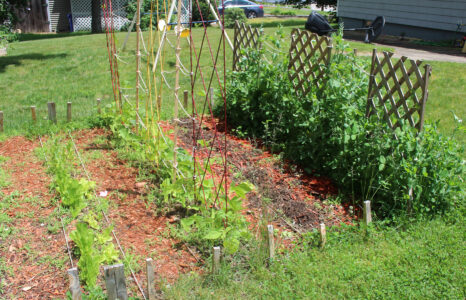
If you choose no-till to limit soil erosion, there are ways to mitigate weeds, such as black garden cloth and heavy amounts of mulch. Finally, I’ve looked at many studies showing that crop varieties, location, and climate have as much to do with crop yield as how the soil is prepared.
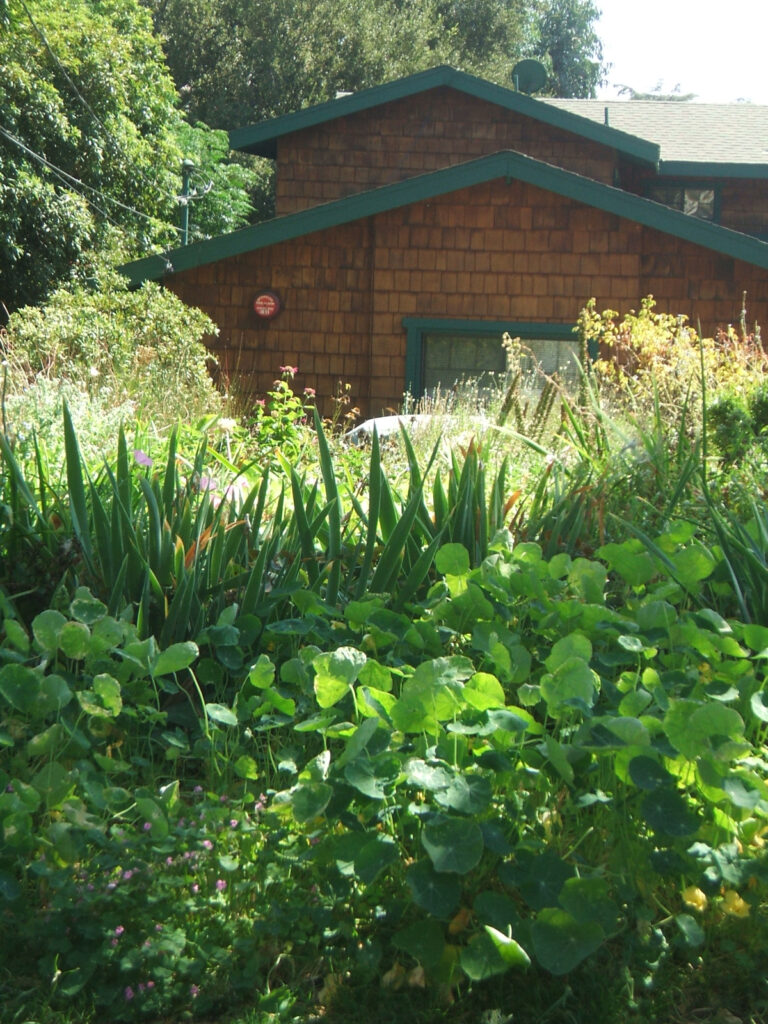
My good friend Christopher Nyerges lives in the Los Angeles area of Southern California, and when he first bought his property, the soil was in terrible shape. Christopher made the decision not to till. Instead, he improved the soil by piling on organic material (such as grass clippings, straw, and compost) where he wanted to plant. When he planted directly into the organic material, some plants took hold. He continued adding more compost yearly, and his crop yield improved. Christopher’s garden is an excellent example of no-till at its best.
Soil Type and Condition Matters
The need to till depends on many factors, the most important being soil type and soil condition. Some of us combine both methods in our gardens.
When I started my garden, I had to deal rocky, heavily compacted soil. Those living in heavy clay areas will often face similar conditions. At first, I tilled and added soil amendments in both spring and fall. Now, I only do a light till in spring, and I add various organic material in fall but don’t till.
Years of building up the soil quality have made tilling less important. My task now is to prepare the soil properly at the end of the season.
How to Till Soil by Hand
I also took advantage of the wealth of information provided by the University of New Hampshire Cooperative Extension office. Here are the tips I received on preparing soil at the end of the growing season:
- Don’t pull dead plants out of the ground at the end of the growing season. Instead, cut them to ground level and allow the roots to decompose. This will add organic material to the soil without disturbing it. Remove the aboveground material to prevent disease and insect issues.
- Consider planting cover crops. Most cover crops die back in winter, so you can think of them as “green manure,” adding nutrients back into the soil. The great thing about cover crops is they can be planted anytime.
- Keep the soil covered with organic material year-round. My friend Stan uses straw, while I use bark mulch and shredded leaves in unplanted areas. This helps retain moisture and prevent weeds and erosion.
- Till only where needed. With proper soil care, you may not even need to use a tiller. Several hand tools, including the broadfork, the wheel hoe, and the horseshoe hoe, allow you to prepare the soil for planting.
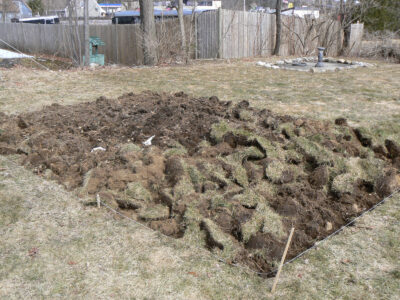
Honestly, I’m still on the fence. While I use my tiller less and less, I do still use it. If you have perfect soil and don’t need a tiller, my hat goes off to you. I don’t happen to have that option, though I wish I did.
The bottom line is to do what works best for you and, ideally, for the environment. Every garden and every area will be different. What works for me may or may not work for you.
Dana has been writing about all aspects of the outdoors and sustainability for over 35 years, with his work appearing in regional and national publications.