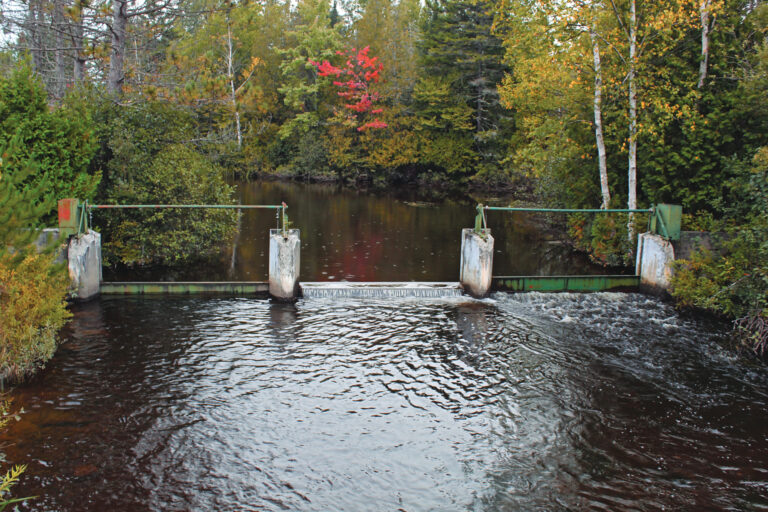
Learn how to prepare for floods by making a plan, having supplies on hand, and doing what it takes to keep your family safe.
Spring is the time of year I look forward to most. April 1 is the opening day of trout-fishing season in New Hampshire, right as my freezer is getting empty. The robins, hawks, and geese are returning, and I’m getting the urge to get the garden ready. Spring is the time of snowmelt and slightly warmer rains that nourish the land. For most of my adult life, this was the beginning of life renewed.
On one spring day, as the seasonal rain came down, I decided to sit back and read Jeff Goodell’s book The Water Will Come. As I read this eye-opening book, I noticed that the rain had intensified. So much so, that I decided to suit up and check things out around the homestead. What I saw was alarming. Most of my property, especially around the house, was under inches of water. In the 30-plus years I’ve lived here, I’d never seen so much water at one time. A nearby river was already close to cresting from the combination of heavy rain and rapid snowmelt.
Over the years, I’ve been to many places impacted by flooding. In some cases, I’ve found myself right in the middle of the action (southern Florida comes to mind). From New Orleans to Kentucky, Florida, and Alaska, I’ve seen what flooding can do. The bottom line is that floods affect everyone in one way or another.
Where Do We Stand?
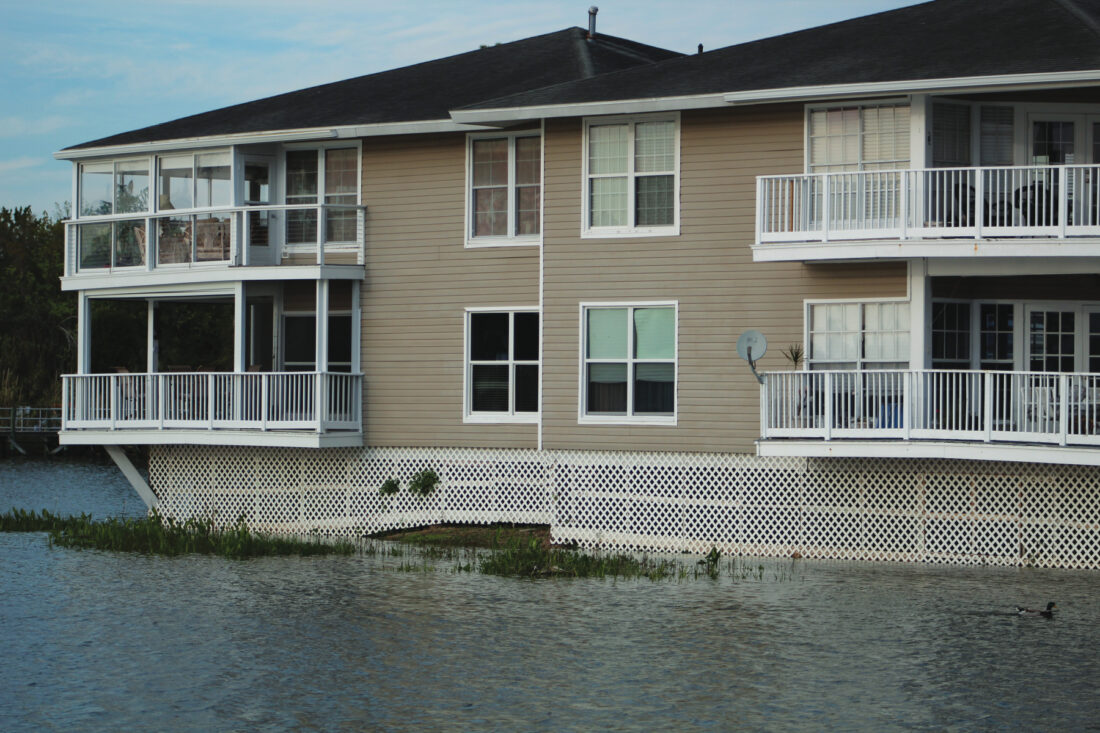
Inland rain isn’t the only cause of flooding. Ocean surges and rising sea levels are taking their toll as well. In her book California Against the Sea, Rosanna Xia tells the story of how the Pacific Ocean is eroding the coast and pushing groundwater into low-lying areas because of intense ocean storms and rain. I experienced this problem many years ago while on assignment in the San Diego area, when a tsunami warning went into effect. Luckily, I was set to fly out the next day. The San Diego International Airport is located below sea level and is prone to flooding. As it turned out, my flight was the last one to leave before the airport had to shut down because of storm-surge flooding.
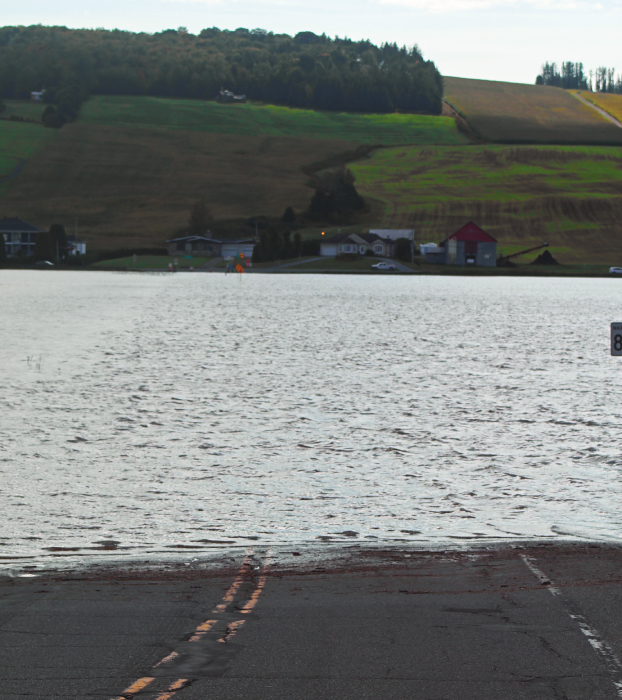
Another time, I was in Quebec, Canada, many miles north of Quebec City, when a massive storm rolled in. The cabin I was renting sat on a finger between a river and a lake. Soon, the water was rushing by, and while the cabin didn’t flood, many areas did. One area that suffered some severe damage was a small farming community that had built a road right across a flood plain. This road led to a small, one-lane bridge that spanned the river. The floodwaters rose several feet above the road, cutting the community in two. Here was a strong case of improper planning. If the past few years have shown us anything else, it’s that we’re all vulnerable. Part of living with these conditions means we need to be as prepared as possible to deal with them.
The storms in 2025 across the Carolinas, Kentucky, and Tennessee show how weather is intensifying. There are many factors behind the “why,” and most are caused by humans. People remove forests and build homes, shopping centers, and tourist attractions on flood plains and coastal barrier islands, areas that are always shifting, always changing. Our largely unregulated pollution and fossil-fuel use cause rising temperatures, which in turn feed these severe storms.
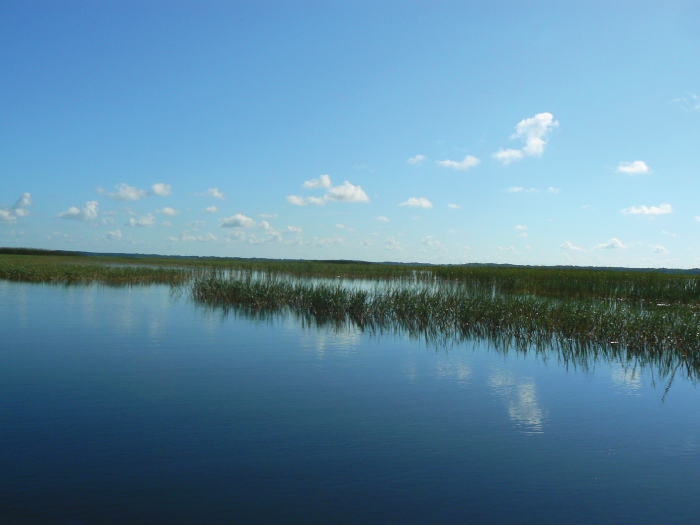
My Native ancestors never built their homes on flood plains. These areas were used to plant crops, and villages were built on higher ground. The same was true in coastal areas. Salt marshes, sand dunes, and reefs are nature’s way of protecting the land from the effects of storms and rising water. Excess rainwater flows into brooks and streams, which then fill rivers that take the water to the ocean. When rivers become too full, they overflow their banks and cover the flood plain. Swamps, marshes, and bogs near the flood plain buffer other areas from the rising water. Salt marshes do the same along the coast, while reefs, sand dunes, and barrier islands shield the coast from ocean surges and storms. Stephen Robert Miller, in his book Over the Seawall, sums up the human desire to build in these areas as a “need” to control nature.
Pavement and concrete don’t absorb water. Even knowing this, we cut down forests and destroy grasslands. We fill in and pave over salt marshes, dunes, and flood plains. This leaves the water with nowhere to go but into our basements, businesses, and streets.
Another factor in the equation: our use of fossil fuels. This has brought about the greatest change in our climate since the last ice age. Our oceans are warming at an alarming rate. This melts the ice caps, which raises sea levels, and warm water occupies more volume than cooler water. The warming adds more moisture to the atmosphere through evaporation. This added water comes down as rain and snow. Under normal circumstances, this is the natural working of things, but these aren’t normal times.
Where Will It Happen?
Predicting where a flood will happen is like trying to predict where a forest fire will flare up – except we know more about fire prevention than we do about rising seas and flooding. We know from historical records that major rivers are prone to flooding, but the people who kept those records didn’t have to account for the global climate crisis. It’s become difficult to know where along a river or coastal community the event will occur. There are many factors to consider, and each year’s storm will be different.
Take a good look at California. Years of record-breaking drought led to massive wildfires, followed by record-breaking snowfall in the mountains and even in low-lying areas. When the snow melted, it caused dangerous, life-threatening mudslides. The combination of snowmelt and rain-filled dry riverbeds washed away homes and flooded communities in the valleys. All of this didn’t, and doesn’t, need to happen. Because of poor planning for home construction, these floods were devastating. State and local officials, land speculators, construction companies, and land buyers all thought with their wallets and not their heads.
How to Prepare for Floods
When the water is rising, it’s not the time to wonder what to do or what could’ve been done. We need to be prepared to deal with a flood before it happens, to be proactive rather than reactive in order to mitigate losses. It’s better to try to prevent the damage, or at least lessen it, than it is to repair it. Make a plan, have supplies on hand, and do whatever it takes to keep your family safe.
Get Your Home in Order
Although private insurers often offer flood insurance, it’s generally not a part of a general homeowner’s insurance policy. It must be purchased separately and can be quite expensive. The National Flood Insurance Program covers nearly all flood insurance in the U.S.; however, there’s a significant and growing gap between the number of houses insured and those that are uninsured, even in flood plains, as more and more households are unable to maintain their policies and flood plains expand because of climate change. If you have flood insurance, now is the time to pull out that policy and take a good look at it. Read the fine print and make sure you understand what’s covered, what isn’t, and what the exceptions and limitations are.
Make sure passports, birth certificates, medical documents, and cash are within easy reach. Take photos of everything and keep them with your other documents, as they may be needed when filing insurance claims or seeking aid from government agencies.
Prevention
Occasionally, no matter what you do, you’ll still feel the effects of a flood. But here are a few things you can do now to lessen the blow.
- Put as much distance between you and the water source as you can. The farther you live from the source, the safer you’ll be, though nothing is foolproof.
- Use natural barriers to protect your property. According to the Environmental Protection Agency, in a document titled “Mitigate Flooding,” “Green infrastructure can mitigate flood risk by slowing and reducing stormwater runoff and protecting floodplains.” Some examples of green infrastructure include rain gardens and bioswales, both of which trap the water and then slowly release it.
Along the coast, salt marshes and estuaries are nature’s way of dealing with floods. Inland, trees and other vegetation planted along rivers and marshes serve the same purpose and help keep the riverbank from eroding. Once again, the EPA notes that conserving land on and around flood plains allows it to absorb excess water. This helps reduce any damage to property. - Construct human-made barriers. While coastal defense structures, such as seawalls, jetties, and earthen berms, have been used for centuries, they’re not always the best option. They may stop erosion where they’re built, but they can harm surrounding areas by causing greater erosion, ecological changes, and degradation of natural habitats if careful planning of type, size, and material isn’t observed. They can also be costly to build and maintain. However, if the oceans continue to rise and heavy rain swells the rivers, no barriers will be a match for nature’s power.
- Fix weak points in your buildings’ foundations. Water will find its way to the point of least resistance. Any crack or hole can be the opening water is looking for, so patch them with hydraulic cement. I’ve also used paint designed for use in pools on my foundation.
- Make sure your land has proper drainage. Flooding is often made worse by improper drainage. With homes being built everywhere, the natural flow of water is often diverted or blocked entirely. Sometimes, this can be fixed with proper landscaping.
When It Happens
Flooding can still occur even when you aren’t in a flood plain and you’ve ensured drainage. Are you prepared for when it does?
- Have a plan. When a flood descends, you have to decide whether to stay or go. Whatever you decide, commit to it. Bouncing back and forth will only put you and your family in unnecessary danger.
- Be prepared. No matter what you decide to do, have water, food, backup power, a means to communicate, and fuel stocked. Be ready to act immediately.
A Look at the World Around Us
We need to take a serious look at what we’re doing to the world around us. Is that fancy condo on the beach worth the destruction it’s causing to the environment and the people around it? Are there ways we can work with the environment rather than against it? Can we restore salt marshes and flood plains, halt new construction in these areas, and protect the communities that currently live there?
This is a great deal to ask, but there’s a great deal at stake, and a limited amount of time to get it done. Even in the best of circumstances, floods will continue to happen, and we need to be ready for them.
Dana Benner has been writing about all aspects of the outdoors, the environment, and sustainability for 35 years. His work appears in numerous publications, including Grit, Mother Earth News, Countryside & Small Stock Journal, and Backwoods Survival Guide. He also hosts programs on HCTV in Hudson, New Hampshire.
Originally published in the March/April 2026 issue of Grit magazine and regularly vetted for accuracy.