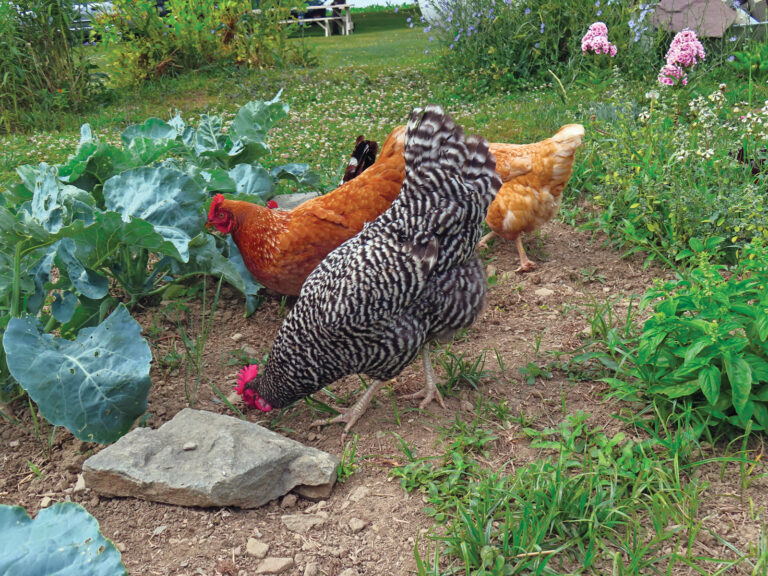
Are chickens worth it? These fluffy, feathered creatures offer backyard flock owners, hobby farmers, and homesteaders a way to become more self-sufficient; raise delicious, healthy eggs and meat; and cut down on garden pests.
1. Fresh Eggs
Eggs are the No. 1 reason many people choose to raise chickens. Collecting fresh eggs from your own flock of laying hens gives a sense of accomplishment and satisfaction that’s hard to beat. With so many egg colors to choose from, collecting eggs is even more fun – with a wide array of blues, browns, greens, and whites. You can create your own one-of-a-kind Easter basket every day.
Free-range and pastured eggs are healthier than commercially raised eggs. Pastured hens will generally lay larger, fuller eggs. Pastured egg yolks will be larger, with a vibrant yellow-orange color, unlike pale-yellow yolks available at the local grocer.
2. Natural Pest Control
Chickens are excellent at pest control. With their sharp beaks and hawk-like eyes, chickens can easily spot and grab garden pests faster than a human can. These traits make them valuable to garden enthusiasts who don’t want to use harmful chemicals on their gardens. From ants, beetles, and caterpillars to grasshoppers, pill bugs, and ticks, chickens will happily consume unwanted pests and help cut down on the bug problems in your garden.
Chickens will also eat weeds in the garden, but watchout: They like to eat tender vegetation, beneficial pollinators (such as bees and butterflies), and vegetables too. To avoid disaster, supervise the chickens when they’re in the garden.
Special consideration: Never allow chickens into a garden that’s been treated with pesticides or other harmful chemicals.
3. Nitrogen-Rich Fertilizer
Chickens poop a lot. However, their droppings can be used to fertilize the garden. Because of the high level of nitrogen in a chicken’s poop, fresh manure can burn the plants and even make consumers sick. Many chicken keepers use the deep litter method to create beautiful compost over the winter months. Remove it from the coop, let it sit for a few months (120 days for compost that touches that part of the plant you eat such as leafy greens, or 90 days for compost that doesn’t such as around a tomato plant.), and enjoy this rich compost in your garden.
4. Winter Garden Help
While the deep litter method may be beneficial for the homesteader or gardener, it can negatively impact your flock’s health. To prevent respiratory problems and other health concerns in our flock, we’ve found a way to have the benefits of the deep litter method without harming them.
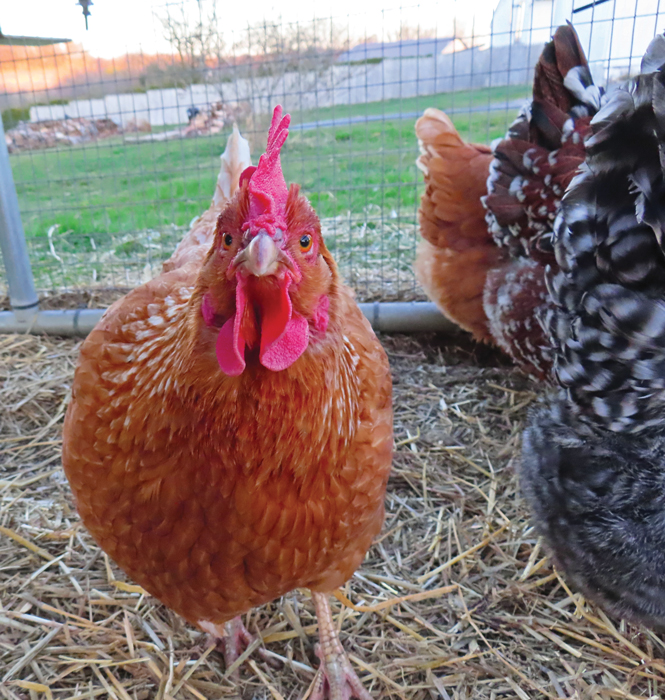
In late summer, my family begins to pile the soiled coop bedding away from the coop (we’ve found that straw works best both for the chickens and to insulate the garden soil in our northern climate). This allows the manure to sit over time without building up harmful toxins and heat in the barn.
In fall, after cleaning out the garden, we spread the accumulated bedding over the garden, and our chickens spend their days in chicken tractors, working the manure and straw into the soil.
While the chickens are happily scratching through the straw, they’ll consume weed seeds, grubs, and larvae. When spring arrives, most of the straw will be worked into the soil. You can also allow chickens to work the garden if you plant a cover crop rather than topping with straw.
Special consideration: When overwintering chickens in the garden, use straw or a cover crop instead of hay, as hay molds quickly and isn’t a good option.
5. Meat Production
Raising your own meat chickens is an easy way to boost self-sufficiency and is beneficial in teaching children about where their food comes from.
The meat of home-raised, pastured chickens has a robust and succulent taste, is more tender, and is considered healthier than the meat of commercially raised chickens.
An interesting thing about raising meat chickens is that not all breeds taste the same. So, if you’re looking for a certain taste or texture, raising your own chickens gives you the freedom to choose your meat.
6. Potential Income
When managed efficiently, raising chickens can give you a modest income. While selling meat and eggs from your flock may not make you rich, earning a bit of money from your chickens is a nice reward for all of your hard work.
When raising meat chickens, choose a variety other than Cornish Rocks, as consumers prefer the more tender, succulent taste of a heritage breed. If raising heritage birds for meat, consider butchering the males and turning the hens into your next generation of layers.
Special considerations: Before selling free-range eggs or meat, check your local laws for any requirements for selling poultry products legally.
7. Waste Management
While this may not be the sole reason to keep chickens, they’re excellent at waste management.
Chickens help cut down on table scraps and reduce waste in the garden by eating leftover or scrap fruits and vegetables.
Never feed chickens moldy or decaying food, as this can make chickens sick and can even be deadly if consumed. Never feed rhubarb, tomato leaves, green tomatoes, or other members of the nightshade family, such as potatoes and eggplants, as these are considered toxic to chickens. The exception is cooked potatoes and eggplants.
Avoid feeding chickens sweet and salty table scraps, dairy products, breads, baked goods, and pasta.
8. Entertainment
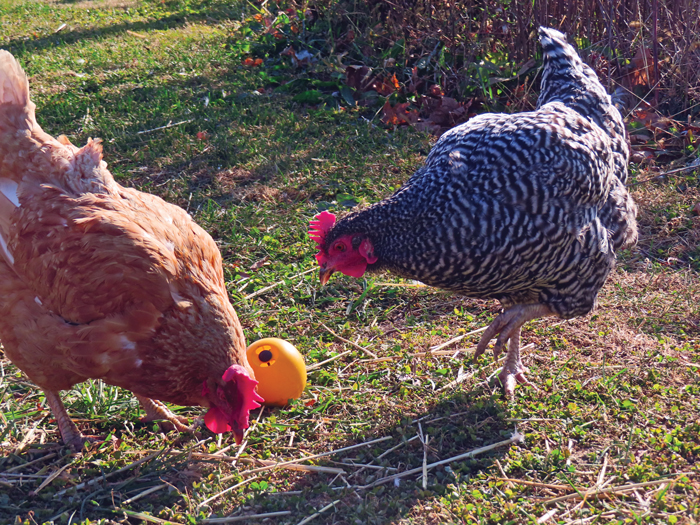
Chickens can learn to carry on animated conversations with their family and love to spend time snuggling on their favorite human’s lap or following them around the yard. They’re more intelligent than most people realize and can learn their names and perform simple commands, such as flying up onto a perch and coming when called.
While this may be surprising for individuals with no chicken-keeping experience, just like cats and dogs, each chicken has a distinct personality, and if properly socialized, makes an affectionate and endearing family pet.
Watching your birds go about their daily routine is a great way to unwind after a stressful day. In fact, some chicken owners even say watching their chickens is more entertaining than television.
Chickens have earned their popularity with their excellent production of eggs and meat, as well as their fun and quirky personalities. Next time you’re considering a new addition to your homestead or backyard, why not consider chickens?
Erin Snyder and her family have raised chickens and ducks for nearly two decades. She’s passionate about all things poultry but is especially interested in poultry nutrition, predator protection, egg-laying disorders, and helping chickens live their best lives well into their golden years. You can follow her chicken adventures on her newly hatched Instagram page.