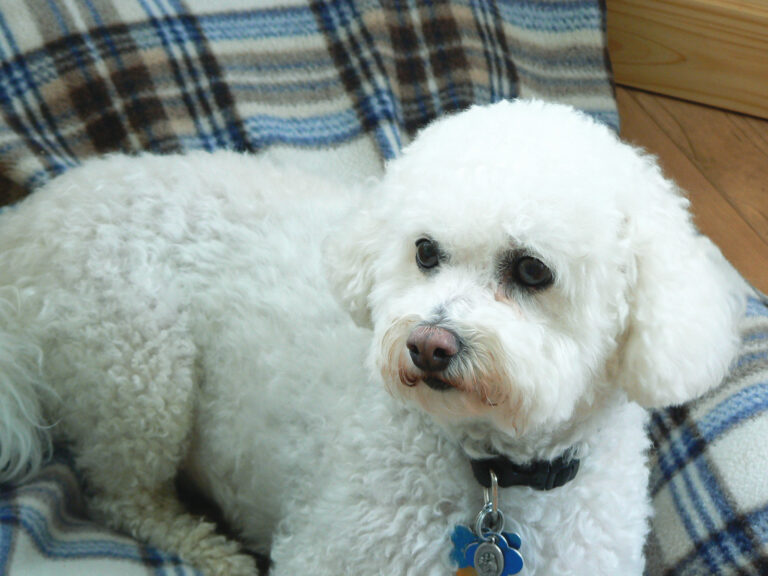
Why does pet loss hurt so much? How to deal with death of a pet is a hard topic with no right or wrong way to grieve; consider the circle of life perspective and what it has to offer.
For anyone who’s ever loved an animal, losing them can feel every bit as devastating as losing a human family member. Yet animal companion grief is often overlooked or minimized by those who haven’t experienced that bond. The empty dog bed in the corner, the missing sound of paws on the floor, the horse waiting no more at the gate, the missing chirps from the birdcage, or the absence of a familiar meow at feeding time can leave a profound ache. Grief is the price we pay for love, and the deeper the connection, the deeper the loss can feel.
We sat in the waiting room of the vet’s office: me, my wife, and our dog, Chooch. Soon, our name was called, and into the exam room we went. This wasn’t a normal visit, and, sadly, only two of us would be leaving that day. Chooch had been very sick. Cancer had taken hold, and as much as we tried to fight it, he wasn’t getting better; in fact, just the opposite. He became upset with himself when he couldn’t control his bodily functions. As painful as it was, we knew it was time to help him rest.
I patted his head; his eyes fixed on mine. In that moment, grief made it feel as if I had betrayed him. I kept talking to him as the vet injected the phenytoin and pentobarbital. As tears poured from my eyes, Chooch closed his. Within seconds, he was gone. Instantly, I was awash with guilt, even though part of me knew the decision had been made out of love.
Eleven years prior, we had rescued Chooch from an abusive home. The “man of the house” took out his inadequacies on Chooch, physically hurting him. When I took Chooch, I promised him that I would protect him and that nobody would ever hurt him again. Now, here I was, watching him be put down. I had let him down; I had gone back on my word.
It’s almost funny, in a way, that I was asked to write this piece. I’m pretty stoic, and nothing bothers me except when it involves dogs, horses, and little kids. I’m that guy who can’t watch movies where dogs or horses get hurt. I’m the guy who cries during the ASPCA commercials. So, why me? Was it a way for me to move on? I soon realized that this could be the hardest piece I’ve ever written.

Why are these emotions coming up now? It’s been about 12 years since this all happened. Perhaps it’s the way my new old dog, Chipper, looks at me. Like Chooch, Chipper is a rescue. He was in a kill shelter in Mississippi before we got him. He’s 14 and has been a part of our family for 12 years. Like with all of us, time hasn’t been kind to Chipper. He’s feeling the aches and pains of getting old. He’s losing his eyesight and is going deaf. He doesn’t want to chase rabbits or squirrels anymore, and sometimes he seems like he’s lost. I often wonder how much longer he’ll be with us. The thought of losing him is very hard.
Why Does Pet Loss Hurt so Much?
So why is it so hard to see an old friend go? Some people may say they’re just animals, but to most of us, they’re companions, whether they’re a horse, dog, cat, or rabbit. Remember, no animal has ever asked to become part of a human’s life. Bringing them into our lives is our choice, and with it comes the commitment to protect and take care of them.
These friends are part of our lives; an extension of ourselves. They’re with us when we’re checking the fence line and herding livestock. Sometimes they know what we’re thinking before we do. They protect our children and our homes. They’re part of our families. The bottom line is that it’s all about love: a connection that goes both ways.
Like with human love, it all starts with trust. Sometimes that trust is hard-won, but when it’s achieved, it takes a great deal to break it. The love of an animal is unconditional. Animals don’t judge, and they forgive. Animals can tell when you’re down or sick, and they, in their own way, offer comfort. When they’re ill or in pain, they come to you, their human, for comfort. They feel pain and have emotions and, yes, bad days, but they’re always there. They’re your rock, and you’re theirs.
The loss of such a friend and the emotional pain that follows is something many people hesitate to talk about, but those conversations matter. For this article, I’ve spoken to many people, and most prefer to remain unnamed. Why? Because many of us have been taught not to show emotions, especially grief. But showing emotion proves that we’re human, and keeping pain bottled up inside can lead to other issues. There’s a grieving process that needs room to happen.

Grieving the Loss of a Pet After Euthanasia
I recently spoke to a veterinarian who told me, “Your feelings are normal, but you actually took him out of his pain. You kept your word.” It may be logical, and one side of my brain recognizes that, but the emotional side still hurts.
One of the most difficult aspects of animal loss is the guilt that often follows. Many people replay their final decisions over and over, questioning whether they acted too soon, waited too long, tried enough treatments, or somehow failed their companion. These thoughts are common, especially when euthanasia is involved. The responsibility of making end-of-life decisions for an animal can feel overwhelming because they can’t tell us exactly what they want or need.
Veterinarians and grief counselors often remind animal owners that choosing to end suffering isn’t a betrayal of love but one of its hardest expressions. We take on the burden of that decision so our companions don’t have to continue suffering. Even when we know this intellectually, our hearts may take much longer to accept it.
How to Deal with Death of a Pet
Loss also extends beyond the animal itself. We grieve the routines that shaped our days. The morning feeding, the walks down the lane, the horse waiting at the gate, the cat curled up beside us at night – these moments become woven into the fabric of daily life. When they’re suddenly gone, the silence can be startling.
Some people find comfort in creating a memorial, planting a tree, framing a favorite photograph, keeping a collar or halter, writing down memories, or sharing stories with friends and family. Others choose to volunteer with rescues or eventually open their hearts to another animal in need. There is no right or wrong way to grieve. What matters is allowing yourself the space to mourn and understanding that healing doesn’t mean forgetting.
In the 1960s, Elisabeth Kübler-Ross wrote the book On Death and Dying in which she described five stages of grief. These stages are denial, anger, bargaining, depression, and acceptance. While this book was written with humans in mind and grief can be messier and less linear than it implies, this information also applies to how humans feel about their animals, as these same issues arise when an animal dies. The love people have for their animals has no bounds, and the grief at their loss isn’t lesser or greater, whether it’s a hamster or a horse.
There’s no timetable for the grieving process, and the different stages don’t happen in any certain order. Each person will experience grief in different ways. The trick, if there is one, is to allow grief to move through you without letting it take over your life. Coping can be very hard, but with time and support, it becomes possible. For a long time, I refused to get another dog; I couldn’t replace Chooch. Eventually, I turned my grief into something positive: I rescued Chipper. I wasn’t replacing Chooch; instead, I used my love for him to help another dog.
In her book Horses Never Lie About Love, Jana Harris speaks of a time when, as a girl, she cared for a horse that suddenly got sick and died before she could get back to the stable. While he wasn’t her horse, she had become attached to Zorro. His sudden death left Harris with no closure, which is an important part of the grieving process. Harris’ experience with Zorro helped her become the good horseperson she is today.
Another part of the grieving process is acceptance. Cathryn Michon wrote a book titled I’m Still Here: A Dog’s Purpose Forever. It’s a tough read, not because it’s complicated, but instead because it stirs good memories of happy times. I’ve read it twice and cried both times. It emphasizes the need to remember all the good times you spent with your friend and realize that your friend will always be with you. In my Native culture, we use the term “cross-over.” This means that death isn’t the end, but an act of moving on. That loved one is still there, and those memories of your time with them are their way of connecting; of letting you know that they’re all right and that they’ll be waiting for you when it’s your time to cross.

Like many people, I sought spiritual advice. I didn’t go to a church, synagogue, or mosque. Instead, I followed my Native beliefs and turned to the Circle. As the Circle has no beginning and no end, it means we’re all connected, even those who have passed. I danced and prayed, and then I danced some more. A Pawnee elder once told me, “The voices of our ancestors are carried on the wind.” Tired and covered with sweat, I felt the wind begin to blow and wondered if Chooch was sending a message: that he was all right, that I had done the right thing, that I hadn’t let him down, and that he was waiting for me on the other side. I certainly hope so.
Today when I think of Chooch, I still feel sadness. I suspect I always will. But that sadness is no longer tied only to loss. It’s also tied to gratitude for 11 years of companionship, loyalty, laughter, and love. The pain never completely disappears because the relationship mattered. Over time, however, grief begins to make room for the memories that brought us joy.
If you’ve recently lost an animal companion, be patient with yourself. Allow yourself to cry. Tell the stories. Look through the photographs. Remember the good days. Most importantly, understand that grief isn’t a sign of weakness. It’s evidence of a bond that was real and meaningful. The love we share with our animals changes us, and even after they’re gone, a part of them remains with us in the lessons they taught, the comfort they gave, and the memories they left behind.
Resources for Pet Loss and Grief Support
- Pet Compassion Careline (formerly Pet Compassion Careline/ Pet Loss Support Hotline)
Provides grief counseling, support groups, and educational resources for those coping with the loss of an animal companion. - Association for Pet Loss and Bereavement (APLB)
Offers free online chat rooms, support groups, and grief resources specifically focused on pet loss. - Tufts University Pet Loss Support Hotline
A long-running pet loss support service staffed by trained volunteers and veterinary students. - Cornell University Pet Loss Resources
Provides articles and guidance on coping with the death of an animal companion and helping children through pet loss. - University of Tennessee College of Veterinary Medicine
Pet Loss Support Program Offers educational resources and support for individuals and families dealing with grief after animal loss. - When to Seek Additional Help
While grief is a normal response to loss, consider reaching out to a counselor, therapist, spiritual adviser, or grief-support group if feelings of sadness, guilt, or hopelessness become overwhelming or interfere with daily life for an extended period. Seeking help is a sign of strength, not weakness.
Dana Benner has been writing about all aspects of the outdoors, the environment, self-reliance, and Native American culture for over 35 years. His work appears in numerous publications, including Grit, Mother Earth News, Countryside & Small Stock Journal, Backwoods Survival Guide, and others. He also hosts and produces programs on HCTV in Hudson, New Hampshire.
Originally published in the September/October 2026 issue of Grit magazine and regularly vetted for accuracy.